
Last updated November 15, 2026
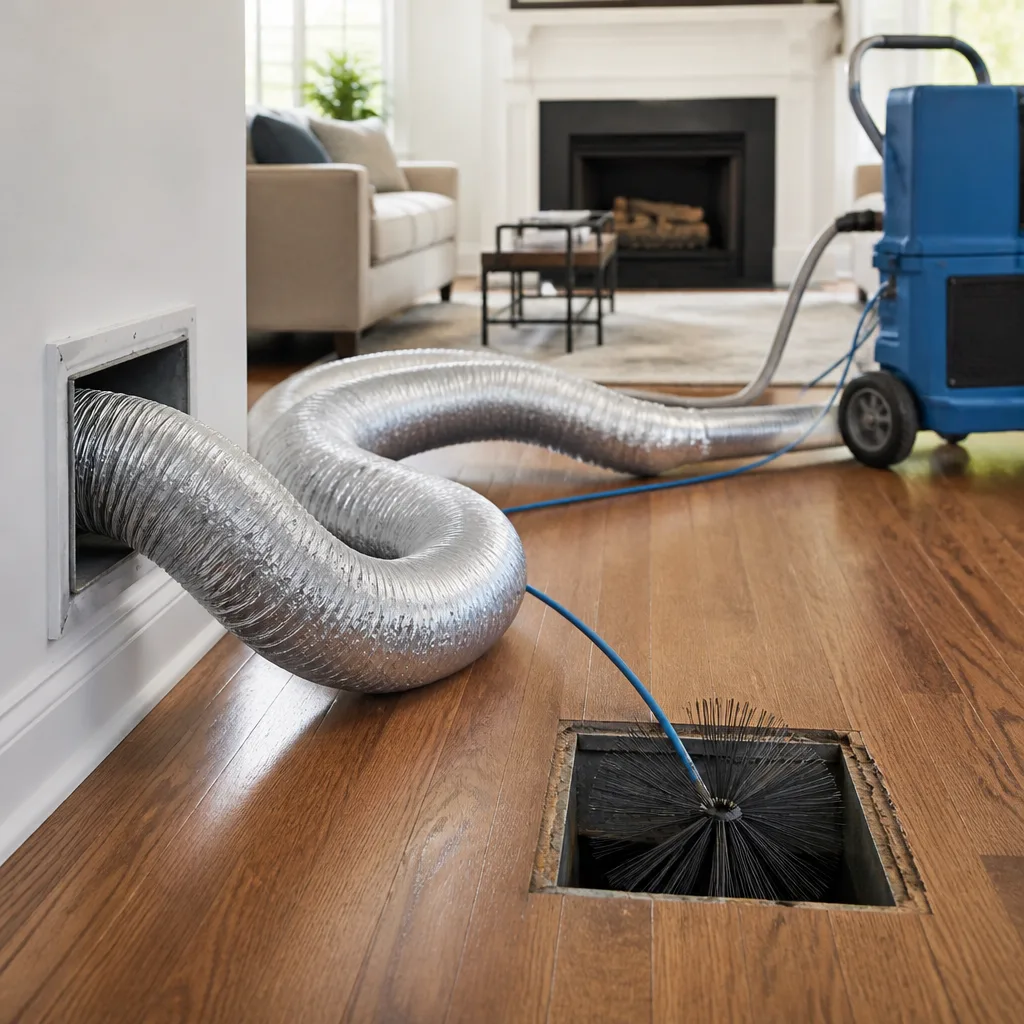 Whole-home duct cleaning
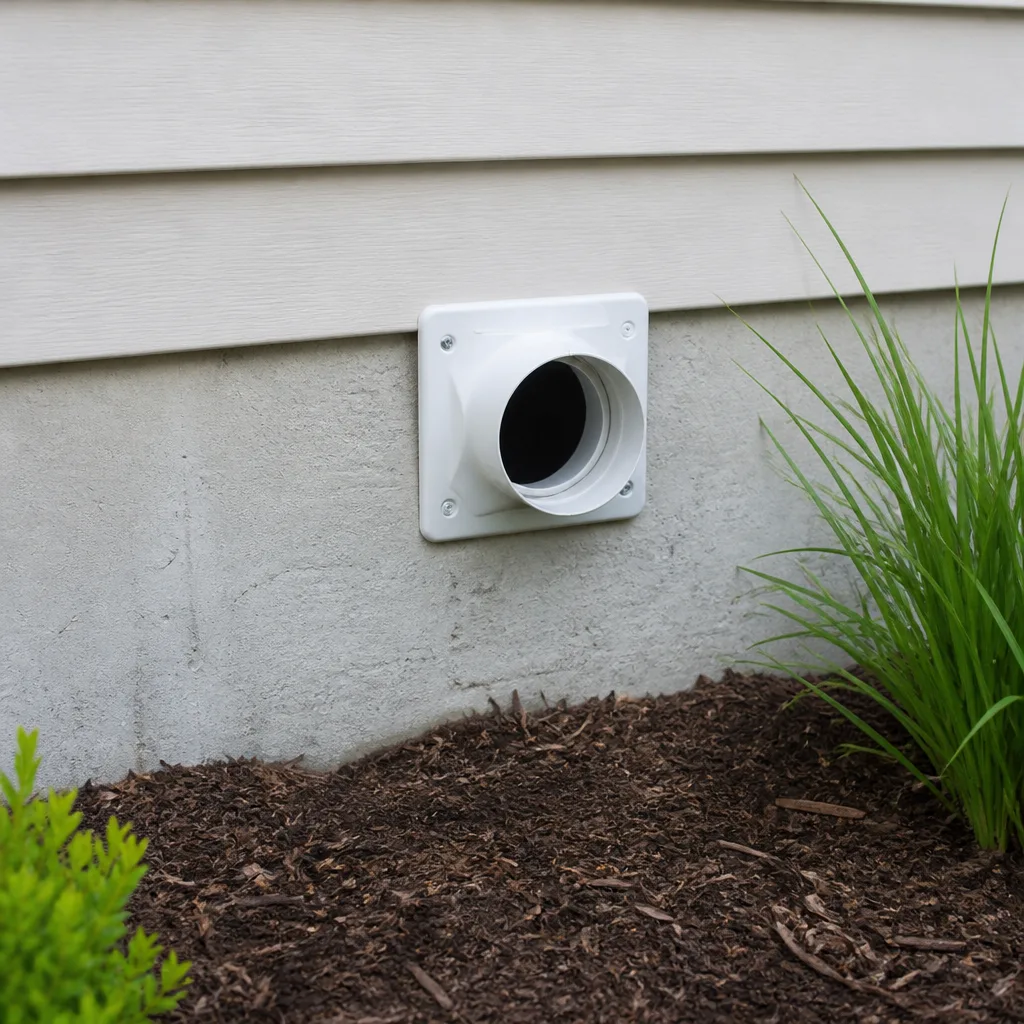 Dryer vent cleaning
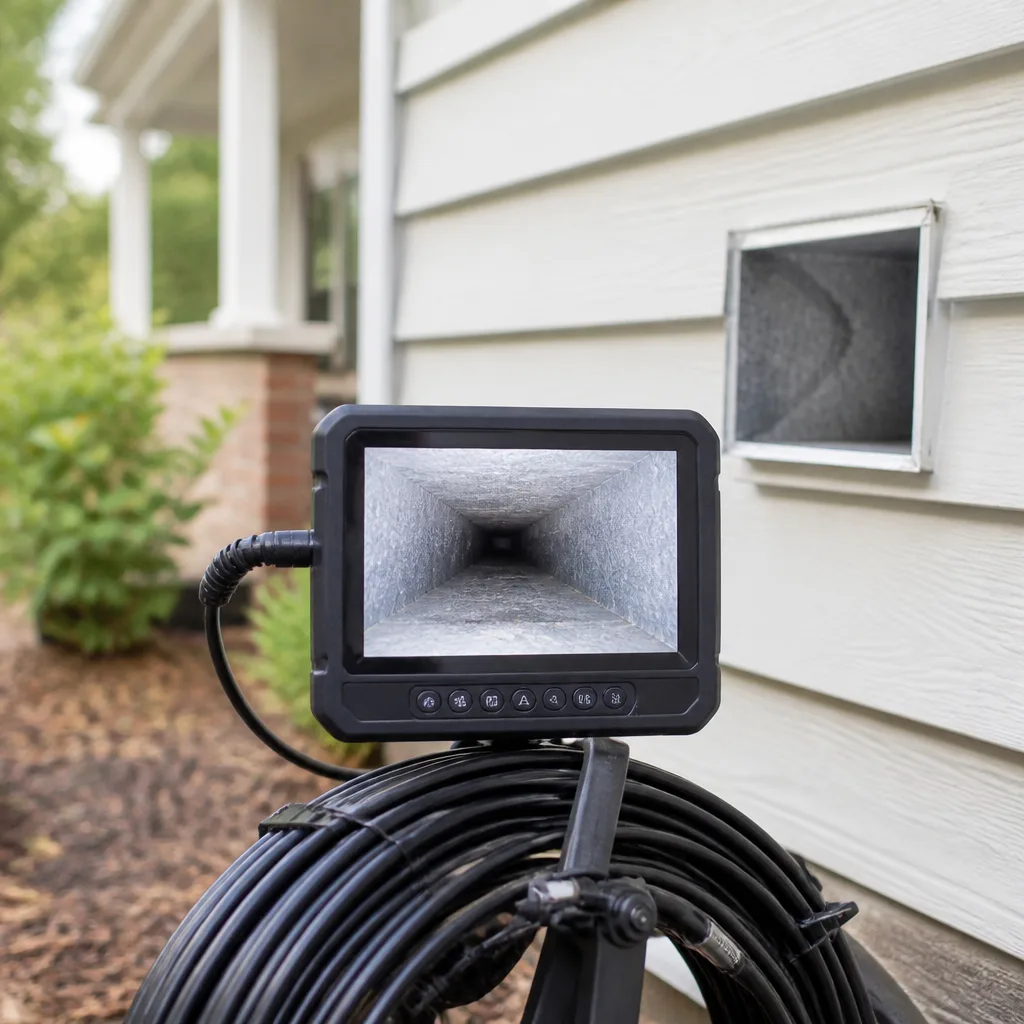 Camera inspection
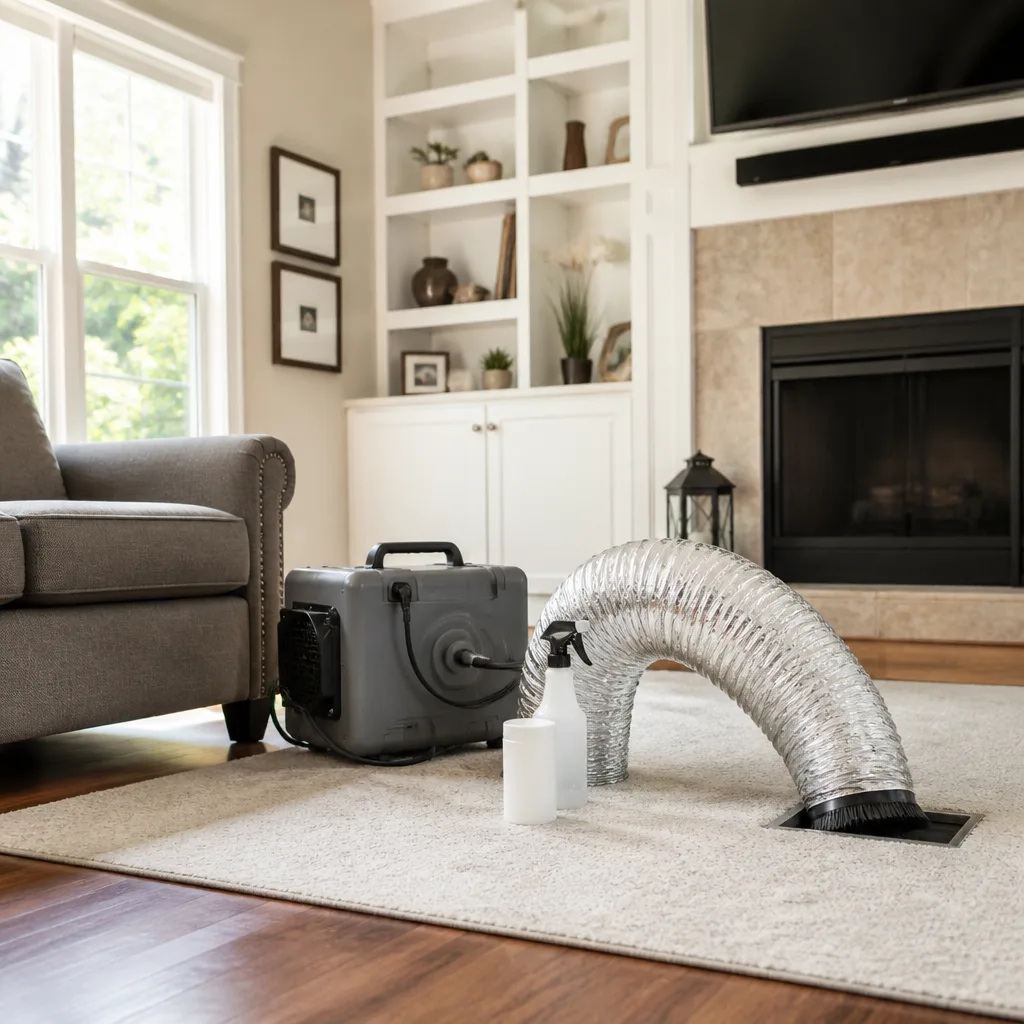 Sanitizing & deodorizing
Whole-system duct and dryer vent check with before-and-after photos - you see exactly what came out of your vents
That "$99 whole-house special" is a bait ad - the real number appears once they are in your hallway, or the "clean" is a shop-vac at the register. We photograph the inside of your ducts before and after instead.
DIY vs Professional Air Duct Cleaning: The Norfolk Homeowner’s Decision Guide
A homeowner with a shop vac and a brush kit can clean the first two feet of a duct run reasonably well. That part surprises people. The contamination that actually degrades indoor air quality sits 10, 15, and 20 feet into the system, past elbows, behind registers, and down runs a consumer vacuum simply cannot reach. This isn’t a knock on anyone’s effort or intelligence. It’s physics: the machine you can buy at a hardware store can’t move the air volume the job requires. We wrote this guide to draw an honest line between what a Norfolk homeowner can maintain and what genuinely needs contractor-grade equipment.
Quick Answer
DIY air duct cleaning handles surface dust near registers and helps with filter management, but it cannot remove settled debris from deep duct runs because consumer vacuums lack the airflow and negative pressure to mobilize it. For most Norfolk homes, a professional cleaning every few years, paired with honest DIY maintenance in between, is the approach that actually protects indoor air quality. DIY and professional aren’t competitors here. One supports the other.
Styles & brands we work with
- Whole-home duct cleaning
- Dryer vent cleaning
- Camera inspection
- Sanitizing & deodorizing
Table of Contents
- Why DIY Duct Cleaning Fails: The Physics of Negative-Air Cleaning
- What Consumer Tools Actually Measure vs. What the Job Requires
- What You Can Legitimately Maintain Between Cleanings
- Norfolk-Specific Reasons Professional Cleaning Matters More Here
- The Hidden Cost of Incomplete DIY Cleaning
- Disturbing vs. Removing: Why the Difference Shows in Your Air
- How to Extend the Interval Between Professional Cleanings
- How to Tell Whether Your Ducts Actually Need Cleaning
Why DIY Duct Cleaning Fails: The Physics of Negative-Air Cleaning
Professional duct cleaning works because of negative pressure. A high-powered vacuum pulls a strong, sustained current of air through the duct run, lifting settled debris off the walls and carrying it back toward a collection point. Rotobrush rotary brush systems add mechanical agitation, and Nikro HEPA-filtered vacuums trap what’s pulled out to prevent cross-contamination. What makes that system function is airflow: cubic feet per minute (CFM), and the static pressure the machine can hold against the resistance of the duct run itself. Every elbow, every transition, every length of flex duct saps some of that pressure. Consumer shop vacs max out well below what the task demands.
Here’s how to picture it. A duct is a long tube with friction. The farther from the vacuum, the weaker the pull. A contractor-grade machine starts with enough headroom that even 20 feet in, there’s still meaningful lift. A store-bought shop vac does not. On the first two feet, a brush and a nozzle do the job fine. Beyond that, you’re mostly moving air that has already been moved.
That matters more in Norfolk than it might in a newer build. Older homes often have longer, more complex duct layouts – fewer straight runs, more turns, and sometimes flex duct where a rigid system would run cleaner. The more bends between the register and the plenum, the more a weak vacuum loses before it ever reaches the debris.
What Consumer Tools Actually Measure vs. What the Job Requires
It’s tempting to think more horsepower means more suction. It doesn’t. Shop vac horsepower ratings are marketing figures that describe motor output, not airflow through a duct. What matters is CFM at the nozzle and the static pressure the machine can hold. Most consumer units are designed for wet pickup and short bursts on a floor, not for a sustained pull through a 30-foot duct run. A duct cleaning system is built for exactly the opposite scenario.
Here’s what professional equipment adds beyond raw pull:
- Rotary brush agitation. Rotobrush systems spin a brush inside the duct as the vacuum extracts. The brush breaks debris loose from duct walls so the vacuum can catch it. Without agitation, caked dust stays put.
- HEPA filtration. Nikro HEPA vacuums trap the fine particles a standard shop vac filter lets through. That’s where the difference between “cleaned” and “disturbed” gets real.
- Containment and negative-air control. Abatement Technologies equipment is the same class of tool used in professional remediation. It seals and captures at the source, so debris doesn’t end up back in the room.
- Reach. Purpose-built wands and hoses extend down full duct runs, not just to the first accessible elbow.
Consumer tools can’t match this, and no amount of care changes the math. The gap is measured in air volume, not effort. If you want the deeper explanation of how a proper air duct cleaning is run, that’s covered on the service page.
What You Can Legitimately Maintain Between Cleanings
DIY isn’t pointless. It’s just narrower than most guides admit. Here’s what a Norfolk homeowner can genuinely handle, done right, between professional cleanings.
- Register cleaning. Pull the supply and return grilles and wash them in warm soapy water. Wipe the visible boot (the short transition right behind the register) with a damp cloth. This is the two-foot zone, and it’s yours to keep clean.
- Filter management. Check your filter monthly during heavy-use seasons. Replace it on the manufacturer’s schedule. A clean filter protects the air handler and reduces how much dust ever enters the duct system.
- Dryer vent visual checks. Look behind the dryer and at the exterior vent flap. If you see lint accumulating, the run is restricted. This is a fire-risk check, not a duct cleaning task. We treat dryer vent cleaning as a dedicated service because the risk is real and the tooling is specific.
- Duct surface inspections. With a flashlight, look at the first accessible section of duct. Note visible dust, moisture, or damage. You’re observing, not cleaning.
- Return-air grate clearance. Make sure furniture, rugs, and boxes aren’t blocking returns. Restricted returns increase duct velocity and pull more dust onto surfaces.
None of this replaces professional cleaning. It extends the interval, which is the whole point. If you want the full picture of what a proper service involves, Duct Cleaning Norfolk lays out the process in detail.
Norfolk-Specific Reasons Professional Cleaning Matters More Here
Not every market carries the same risk profile. Norfolk homes tend to have a few characteristics that make improper DIY technique costlier than it would be elsewhere.
Flex duct systems. A lot of Norfolk housing stock uses flexible duct runs in attics and crawlspaces. Flex duct has a plastic inner liner and a wire helix. A spinning brush in the wrong hands can tear that liner. A torn liner creates a pocket where dust and moisture collect, and it’s worse than an uncleaned duct. Professional rotary brushes and vacuums are run at controlled speed with the liner’s material in mind.
Older fiberboard duct. Some older homes have fiberboard duct sections. Fiberboard’s surface is friable – it can shed if scrubbed aggressively. A shop-vac brush can abrade it. A professional inspection identifies the material before a single tool goes in, and cleans differently depending on what’s there.
Moisture evidence. Norfolk’s humid summers and shoulder seasons mean crawlspace and attic humidity can leave signs in ductwork. Moisture plus dust is not a cleaning problem; it’s a diagnosis problem. Cleaning a damp duct without addressing the moisture source is a recipe for the same problem returning. Professional service means recognizing that and referring it out, not pushing cleaning past a known moisture issue. (Our scope stays in cleaning, repair, and dryer vent safety – not mold remediation.)
Leaking and disconnected runs. Older housing stock has more duct joints that have worked loose. A cleaning crew that spots a leak can address it under a stand-alone air duct repair visit. A homeowner with a vacuum typically can’t reach the joint in the first place.
New to the area, or trying to understand how Norfolk homes differ from where you moved from? The Norfolk page covers local context in more detail.
The Hidden Cost of Incomplete DIY Cleaning
Here’s the part most DIY guides leave out. When you run a weak vacuum through a duct run, you move some debris. You don’t remove all of it. The material that breaks loose but doesn’t make it to the collection point ends up re-settling – sometimes in the same run, sometimes in a spot with even less airflow. During the minutes right after, that material can end up airborne in the living space. In practical terms, you can raise the particulate count in the room for a short window after a half-cleaning. Then it settles again, and the duct looks cleaned while it isn’t.
That’s the difference between disturbing and removing. Professional cleaning is designed around capture, not movement. Nikro HEPA filtration and Abatement Technologies containment mean the material goes into a sealed container, not back into your room. That’s the main reason we insist on the tool list – not because the brand names are impressive, but because capture is the whole job.
There’s another hidden cost: damage. Improper brushing on flex duct or fiberboard can turn an otherwise clean system into a repair job. We offer air duct repair as a standalone service because we see the aftermath often enough. The repair cost usually exceeds what a professional cleaning would have cost.
Disturbing vs. Removing: Why the Difference Shows in Your Air
The best way to understand why this matters is to think about the goal of duct cleaning. It’s not to make the inside of the duct look shiny. It’s to reduce the particle load that cycles through your home’s air supply. Every time the system runs, air moves from the return, through the air handler, and out through the supply registers. If the duct surfaces are clean, that air carries less dust. If the duct surfaces are disturbed but not removed, that air carries more – because the debris is now loose and mobile.
That’s why professionals clean with the system sealed and containment in place. It’s why we use negative-air equipment on jobs that call for it. It’s why the sequence matters – return side first, then supply, then the air handler area, with capture at each stage.
For a homeowner with allergies or asthma, the difference isn’t hypothetical. It’s measurable in whether symptoms flare in the days after a cleaning. That’s the kind of outcome that should drive the decision on DIY vs. professional, not a coupon price.
How to Extend the Interval Between Professional Cleanings
Professional duct cleaning isn’t something you do every season. It’s something you do when the condition of the system calls for it, then support with maintenance in between. Here’s how to stretch the interval honestly – without skipping what matters.
- Keep the filter schedule religious. A dirty filter passes more dust into the system. Change or clean it on the schedule the manufacturer specifies, and check it monthly if you have pets or are doing renovation work.
- Clean registers every few months. The supply and return grilles are where you can make a visual difference in 10 minutes. Wipe them down, dry them fully, and reinstall.
- Manage humidity in crawlspaces and attics. Norfolk’s humid months are the ones that set a duct system up for trouble. Keep the crawlspace dry, keep the attic vented, and address any plumbing or roof leak fast. Moisture inside ductwork is the thing that turns maintenance into a bigger project.
- Watch for new dust patterns. A sudden increase in dust on horizontal surfaces near supply registers can be a first indicator of a duct issue. It’s information, not an emergency.
- Get on a diagnostic rhythm. A professional inspection every few years, even without cleaning, tells you whether the system needs work. We’d rather tell you your ducts are fine than sell you a cleaning you don’t need.
- Consider air quality upgrades when you’re due. We work with Honeywell and Aprilaire air quality products, and when a home is due for professional service, filtration or purification upgrades are sometimes the higher-value next step. That’s a conversation, not a sales pitch.
How to Tell Whether Your Ducts Actually Need Cleaning
Not every home needs professional duct cleaning. Here’s how to judge with your own eyes before you consider booking anything.
- Visible dust on register grilles that returns quickly. Some is normal. If it’s back within a week of wiping, there may be a source upstream.
- Visible dust or debris inside the duct. Pull a register and shine a flashlight. A light film is common. A visible layer of settled material is a sign it’s time for a professional look.
- A musty or dusty smell when the system first kicks on. This can point to moisture or organic material. That’s a diagnosis question, not just a cleaning question.
- Recent renovation. Drywall dust, sawdust, and construction debris move through ductwork. A post-renovation cleaning is one of the few genuine “do it now” scenarios.
- New home purchase with unknown history. You can’t know what the previous owner did. A one-time professional inspection is a reasonable due-diligence step.
- Recent HVAC replacement. A new system on old ducts is worth inspecting. That’s the moment to check for leaks and damage, and to fix what’s found.
Common Mistakes to Avoid
- Running a shop vac past the first elbow. The reach looks real, the suction doesn’t. You’ll stir material you can’t retrieve and may raise indoor particulates for hours. This is the single biggest DIY error.
- Using a spinning brush on flex duct without checking the liner. A torn inner liner in a Norfolk attic flex run creates a debris trap that’s harder to fix than to prevent. Look first, then decide.
- Cleaning ducts before fixing a moisture problem. If there’s condensation on a duct or a musty smell coming from a register, get the moisture source identified before any cleaning. Cleaning a wet duct doesn’t solve the wet duct.
- Assuming a $49 coupon is a duct cleaning. It isn’t. The low-teaser model is what gives this whole category a bad name. A flat price per system, agreed in writing before work begins, is the honest structure.
- Skipping the dryer vent because it “looks fine.” Lint buildup inside the vent run isn’t visible from the laundry room. That’s why we treat dryer vent cleaning as its own service.
- Cleaning only supply registers and not the returns. The return side is where most settle-able dust lives. Register cleaning on the supply side doesn’t address it.
- Assuming new duct cleaning means you can skip filter changes. Filters are the first line of defense, not the last. A great cleaning on top of a neglected filter goes bad fast.
See the difference
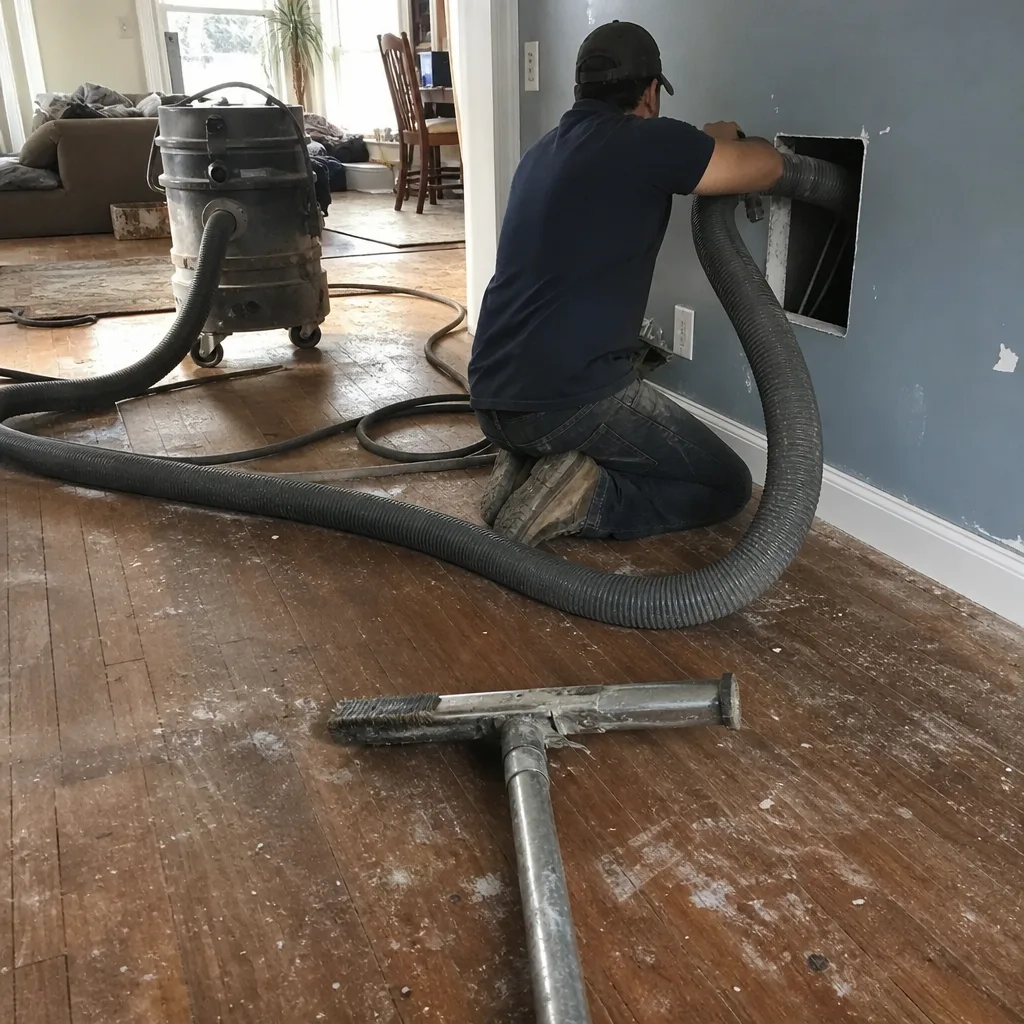 Before
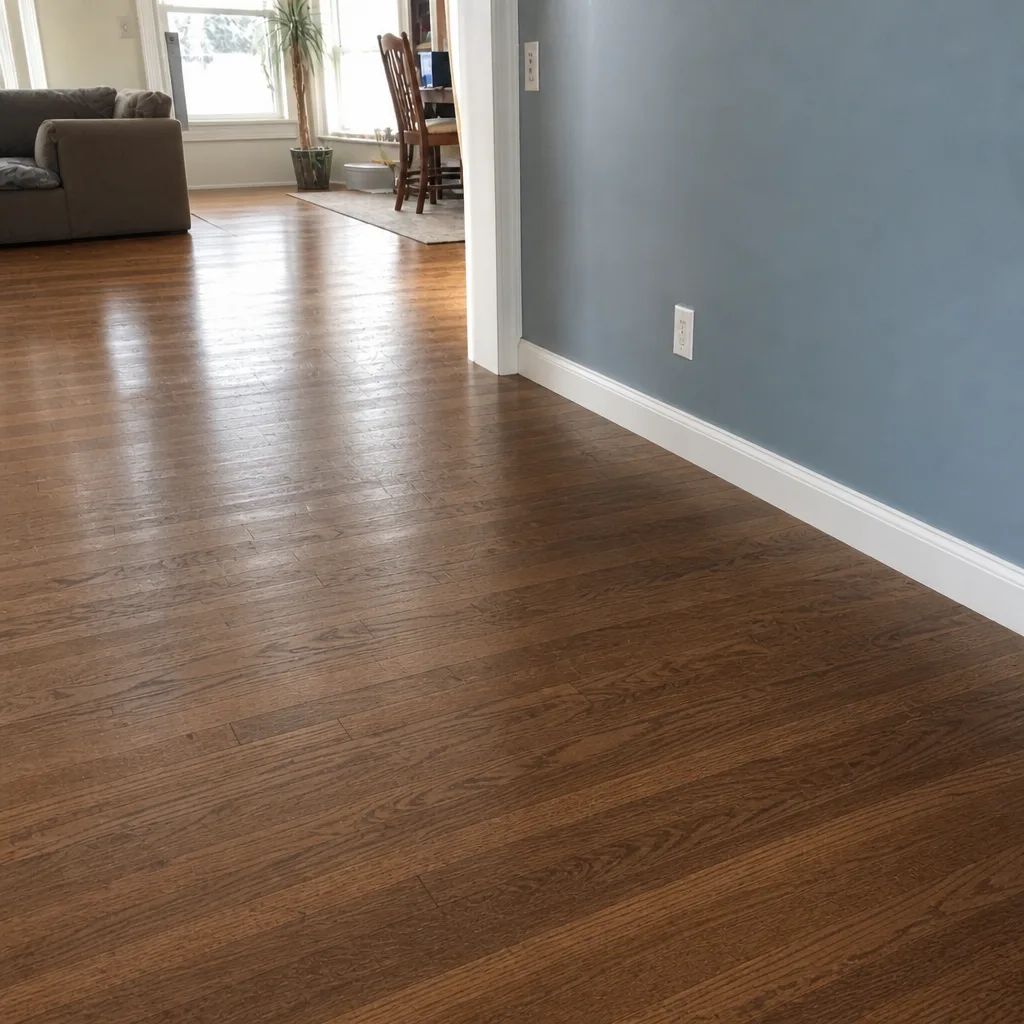 After
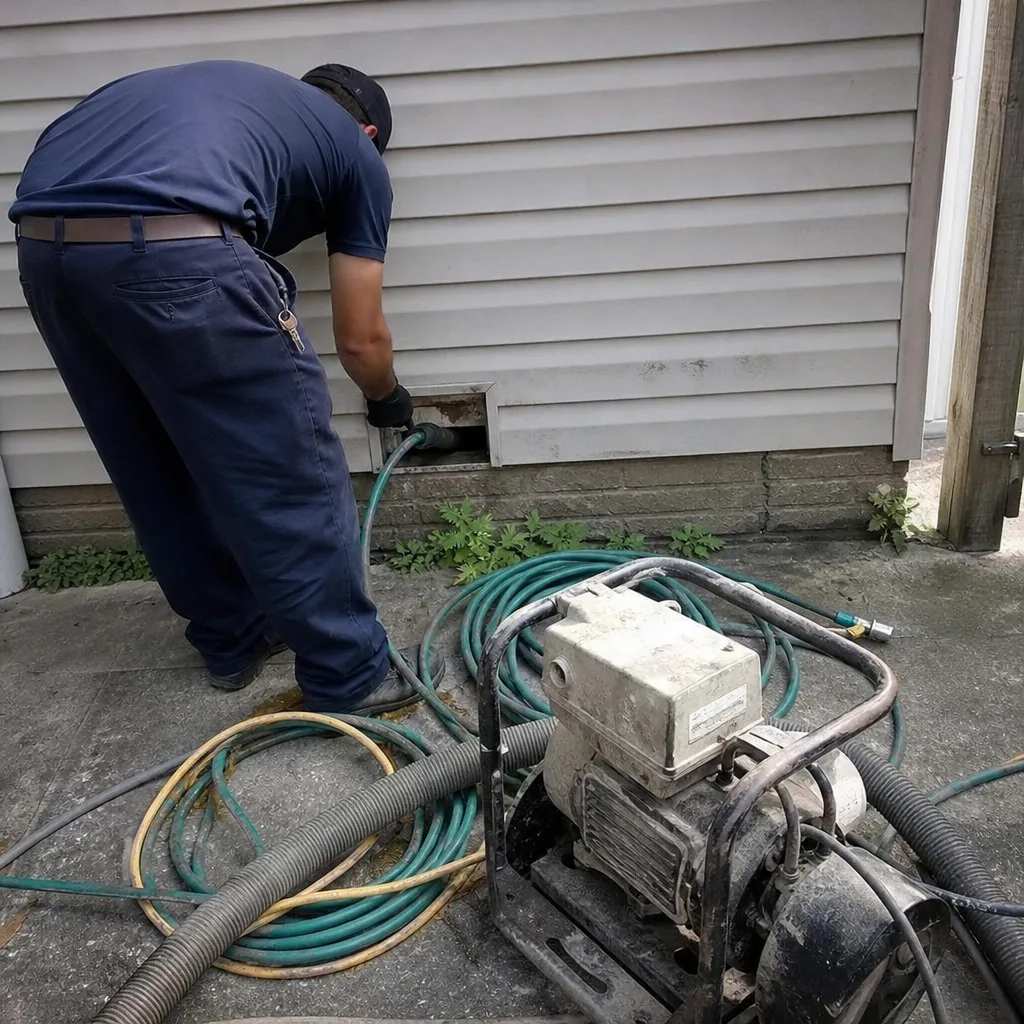 Before
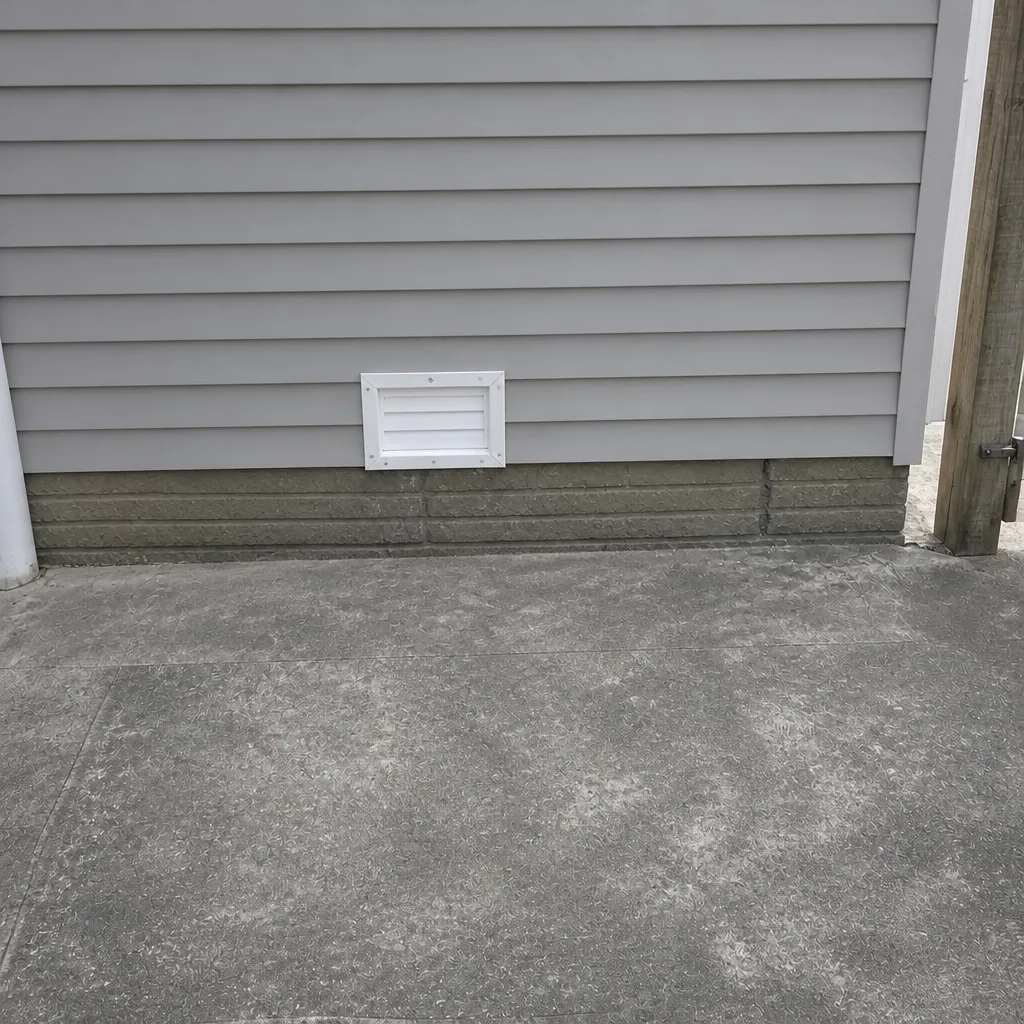 After
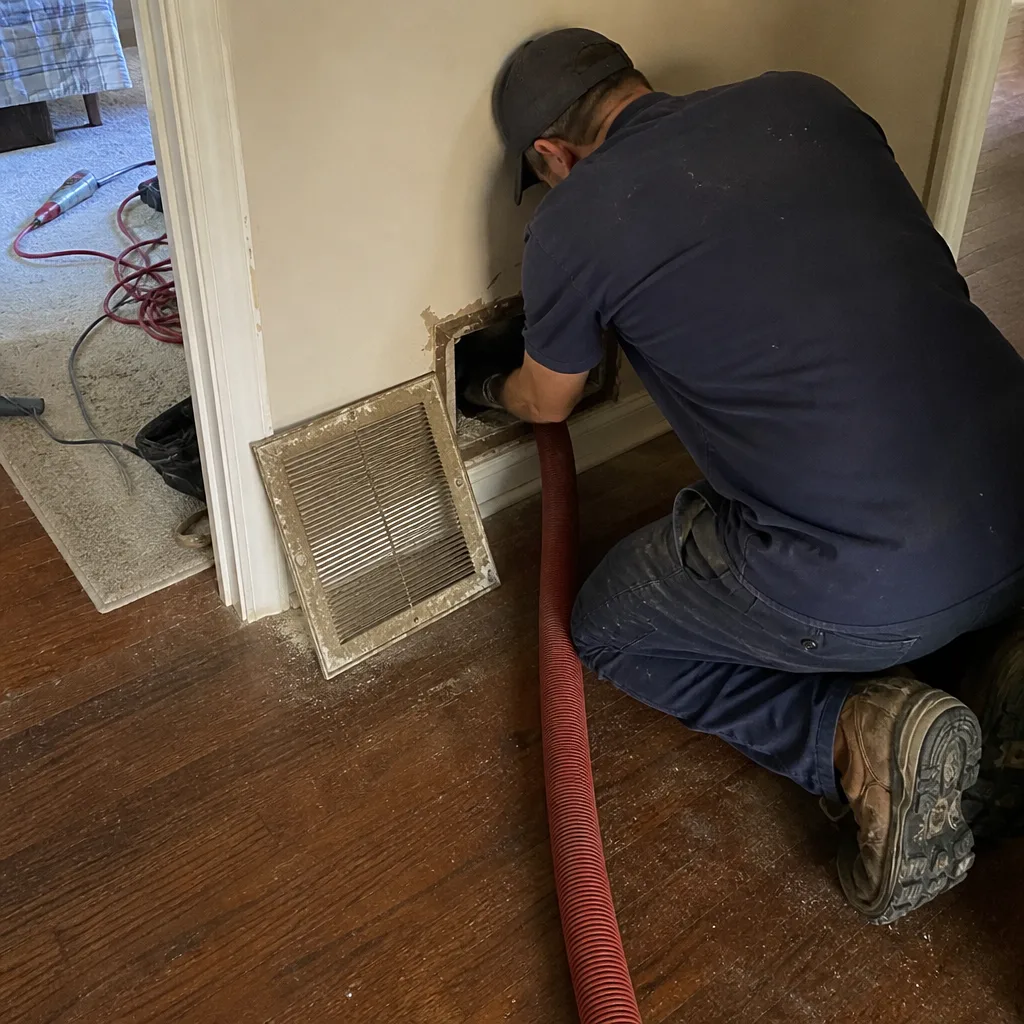 Before
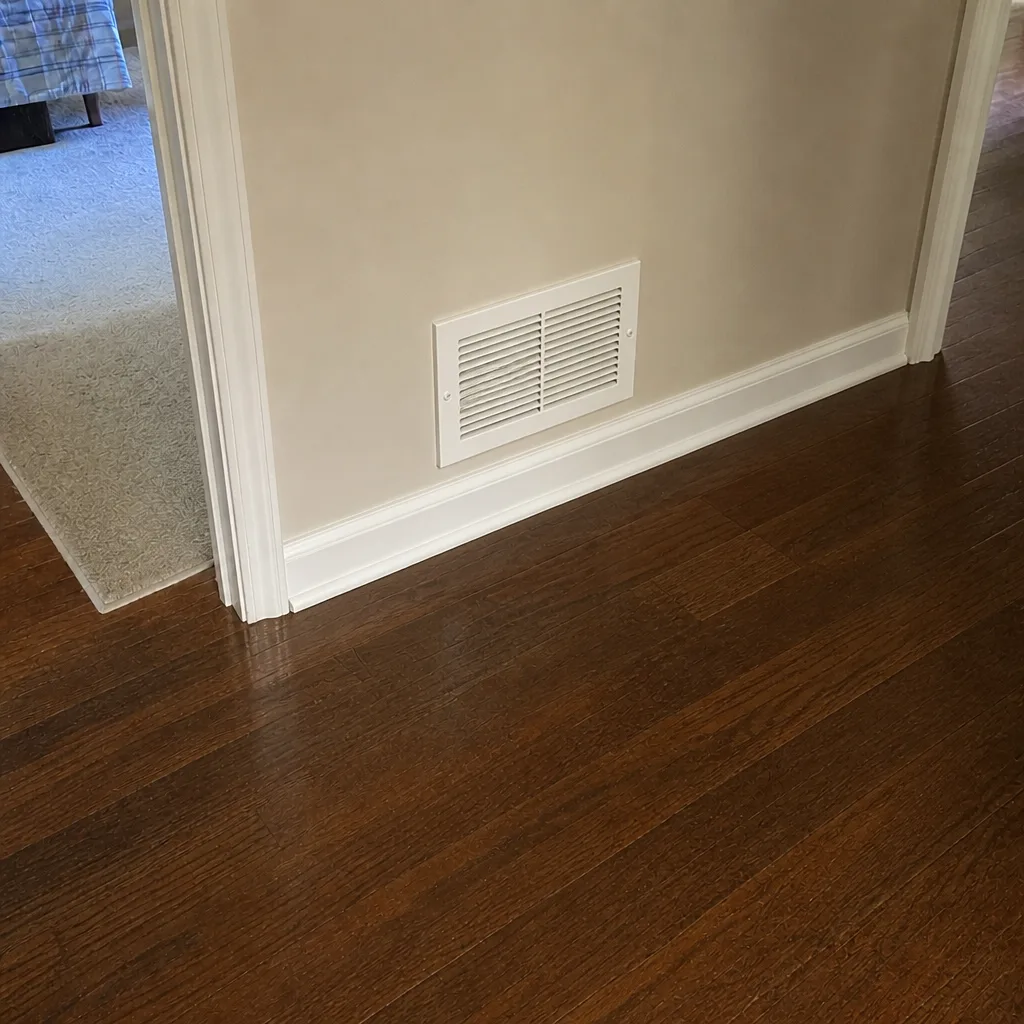 After
When to Call a Professional
Call a professional when the problem is upstream of what a register wipe can reach: visible settled dust inside the duct run, a musty smell at a register, a recent renovation, a new HVAC system on old ducts, a home purchase with unknown history, or a dryer vent that hasn’t been checked in years. Also call when you’re not sure. An inspection is cheaper than a repair, and it’s a lot cheaper than a fire. Duct Cleaning Norfolk offers free estimates in Norfolk – call (833) 519-7500. We answer 24/7. Fast dispatch from 7am to 7pm, Sunday through Friday, so a call outside dispatch hours gets booked into the next opening. One flat price per system, agreed before work starts, and before-and-after photos of your own ducts so you know exactly what changed.
Frequently Asked Questions
You can clean the first two feet of any duct run reasonably well with a shop vac and a brush kit. Beyond that, the physics don’t work: consumer vacuums can’t generate enough negative pressure through elbows and long runs to pull settled debris out. Anything past the first elbow is likely being disturbed rather than removed, which can make indoor air worse for a short window.
Professional air duct cleaning in Norfolk is priced per system, not per vent. A whole-home cleaning typically falls within a range based on the number of systems, the layout of the ductwork, and the condition of the system. We don’t quote per-vent teaser prices, and we don’t discount to a coupon number and add on the back end. Call (833) 519-7500 for an exact quote – estimates are free, and the written estimate sets the final price.
Because they’re quoting a different service. A $49 or $99 offer usually covers a quick pass at the accessible registers, and once the technician is in the home, additional work is added at a higher price. The number you see in the ad isn’t the number you’ll pay. We quote the whole system, in writing, before work starts, so the final price is the price.
Ask for before-and-after photos of your own ducts. Any provider with proper equipment and nothing to hide should be able to show what came out and what the system looks like inside afterward. We take those photos on every job because it’s the only honest way for a homeowner to judge the outcome. Coupled with a written scope and a flat price, that’s the transparency question answered.
Most Norfolk homes don’t need annual cleaning. Every few years is a reasonable diagnostic rhythm, with a proper inspection deciding whether cleaning is actually called for. The exceptions are recent renovation, a new HVAC system on existing ducts, a home purchase with unknown history, or a visible debris problem. Honest maintenance in between – register cleaning, filter management, dryer vent checks – is what stretches that interval.
Yes. Flex duct has a thin plastic inner liner over a wire helix, and a spinning brush run at the wrong speed can tear it. A torn liner creates a debris pocket and is harder to fix than an uncleaned duct. Older fiberboard duct can similarly shed when scrubbed. This is why professional cleaning starts with identifying the duct material before any tool is used.
The Bottom Line
DIY duct cleaning isn’t a question of effort or intelligence. It’s a question of airflow. A consumer vacuum can handle the first two feet of a duct run; it can’t reach the material 10, 15, or 20 feet in that actually affects indoor air. That makes DIY maintenance and professional cleaning complements, not substitutes. Keep the registers clean, manage the filter, check the dryer vent, watch for moisture. When the system calls for cleaning, use a provider with contractor-grade equipment and a flat price set before work begins. In Norfolk, the older housing stock and humidity make the physics matter more. Call Duct Cleaning Norfolk at (833) 519-7500. We answer 24/7. Fast dispatch from 7am to 7pm, Sunday through Friday. Free estimates, written before work starts, with before-and-after photos of your own ducts.
Written by the team at Duct Cleaning Norfolk.