
Last updated November 15, 2026
 Whole-home duct cleaning
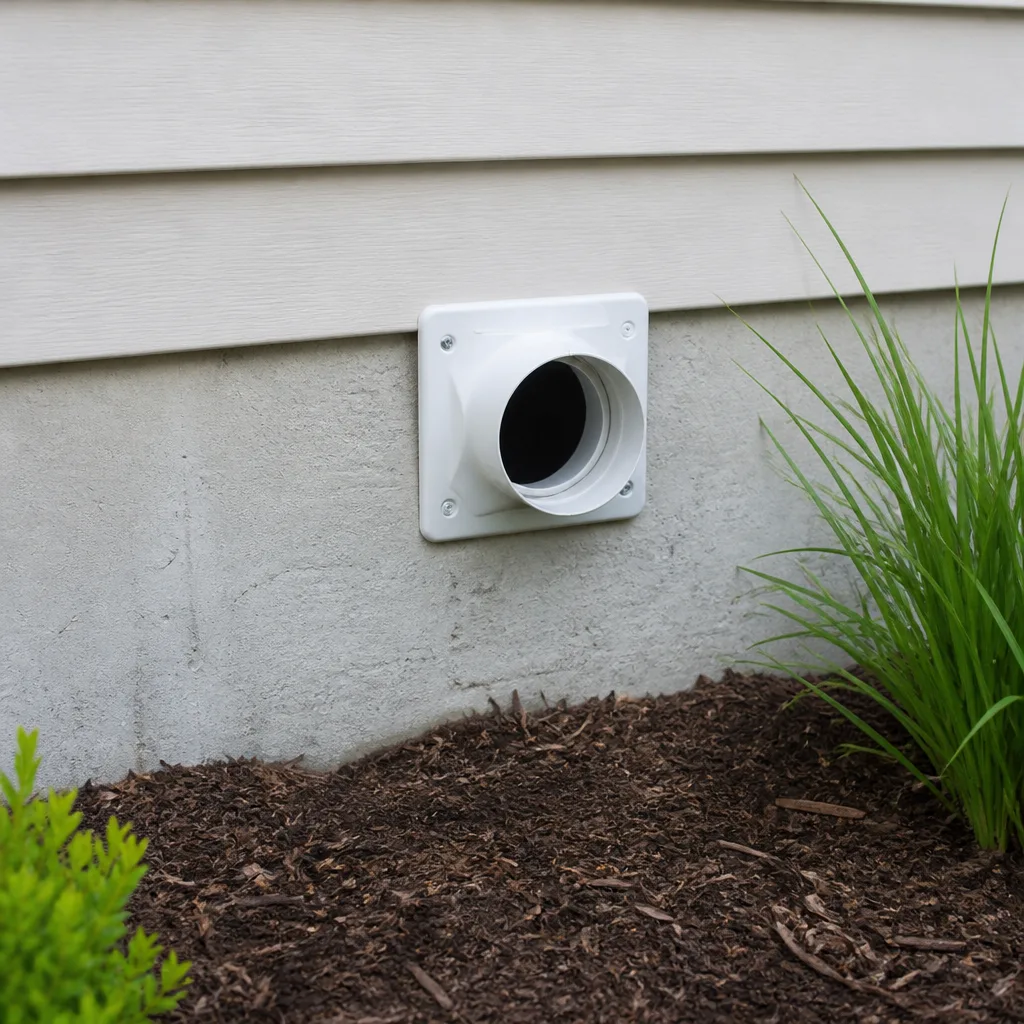 Dryer vent cleaning
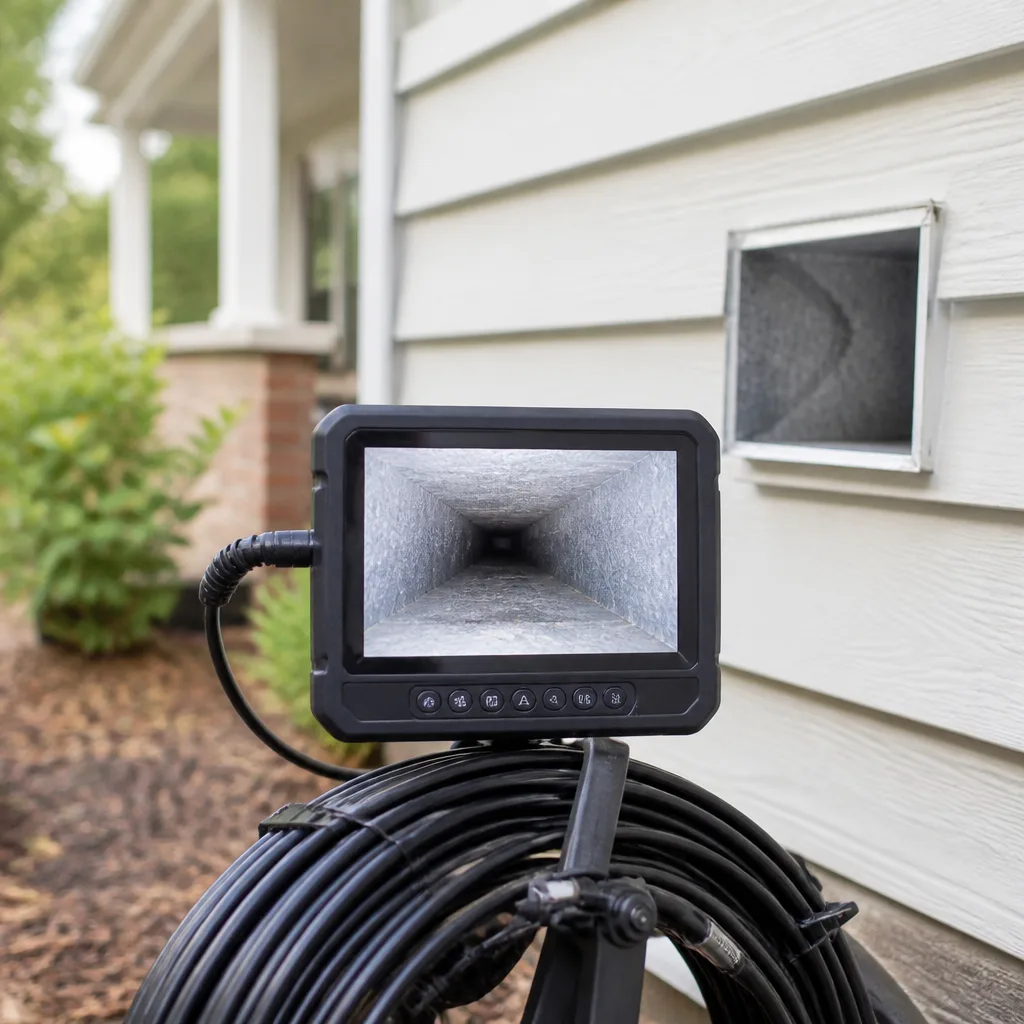 Camera inspection
 Sanitizing & deodorizing
Whole-system duct and dryer vent check with before-and-after photos - you see exactly what came out of your vents
That "$99 whole-house special" is a bait ad - the real number appears once they are in your hallway, or the "clean" is a shop-vac at the register. We photograph the inside of your ducts before and after instead.
Seasonal Air Duct Cleaning Care for Norfolk: Year-Round Homeowner’s Guide
Most homeowners treat duct cleaning like a yearly chore with no calendar attached – something to get to whenever it comes to mind. In Norfolk, that approach misses the point. Our four seasons don’t stress a duct system equally, and the contamination that builds up between cleanings depends heavily on how hard the system is working and what the air is carrying at the time. Norfolk averages relative humidity above 60% for more than half the year, and that single fact changes the maintenance math. A system that sat through a damp August is in a different condition than one that ran through a dry fall. This guide maps each season to the specific demands Norfolk homes actually face, so you know what to inspect, when to act, and why timing matters.
Quick Answer
In Norfolk, duct systems accumulate the most contamination in late summer (August-September), when high humidity and heavy cooling run push condensation and debris into insulated flex duct, and again at the first heating cycle in October, when dormant summer buildup gets stirred back into the air. The practical rhythm is to inspect in early spring before cooling season, address problems before the first heat cycle in fall, and stay ahead of filter changes through winter. Duct cleaning isn’t a once-a-year habit here – it’s a seasonal one.
Styles & brands we work with
- Whole-home duct cleaning
- Dryer vent cleaning
- Camera inspection
- Sanitizing & deodorizing
Table of Contents
- Pre-Cooling Season: Why April Inspections Matter
- Late Summer: What Humid Operation Does to Your Ducts
- Pre-Heating Season: The First Cold Snap Reveals Summer’s Work
- Winter: Reduced Ventilation and Filter Management
- Dryer Vent Cleaning: Timing It to Norfolk’s Laundry Patterns
- Duct Repair: The Seasonal Problem Cleaning Won’t Fix
- Building a Year-Round Duct Care Schedule for Norfolk Homes
Pre-Cooling Season: Why April Inspections Matter
The six weeks before heavy cooling season is the most useful window on the calendar, and most Norfolk homeowners skip right past it. April is when your system is still running light, before the long slog of summer cooling begins. That pause is exactly when an inspection is informative, because you’re looking at what winter left behind rather than what summer is actively adding. If there’s dust loading, a loose joint, or a section of flex duct that came apart at a collar over the winter, you find it before it gets a chance to circulate through the house for four months.
Here’s what a pre-cooling inspection should focus on:
- Visible dust loading at supply registers – a light film is normal, a heavy buildup points to a problem upstream.
- Flex duct connections at collars and boots – Norfolk’s older housing stock has plenty of retrofitted duct runs, and the tape and mastic at those joints are the first to fail.
- Insulation condition on attic and crawlspace runs – a compromised jacket is where condensation problems begin in summer.
- Filter condition and fit – a filter that doesn’t seat properly passes debris around its edges regardless of its rating.
- Evidence of moisture at connections or on the outside of insulated runs, which is worth catching before cooling season amplifies it.
If the inspection turns up heavy debris from winter operation, a spring cleaning gets it out before cooling season. If it turns up a disconnected joint or a crushed run, that’s an air duct cleaning and repair conversation, not just a cleaning one. Either way, an April inspection is the cheapest point on the calendar to find a problem, because you’re still in a low-demand window. Getting it inspected before the system runs hard for months means you’re not paying for a repair later that an early look would have caught.
For Norfolk homes in older neighborhoods near Ghent and Park Place, the pre-cooling inspection is even more worthwhile. Those houses often have duct systems that were added decades after construction, and the connections and routing were adapted to whatever space was available. Spring is the right season to confirm lighting and access to those runs before you need the system to perform at its peak.
Late Summer: What Humid Operation Does to Your Ducts
August and September are the hardest months on duct systems in Norfolk, and the reason is specific. High humidity raises the dew point, and a duct system that’s been running hard for three months is doing two things at once: moving a large volume of air and staying cold on the inside. If any section of insulated flex duct has a compromised jacket or a leak, the cold surface meets warm, moist attic or crawlspace air, and condensate forms on the duct. That moisture is the mechanism behind most of the contamination growth we see late in cooling season.
What actually happens inside the duct system during a humid Norfolk summer:
- The air handler runs almost continuously, moving far more cubic feet of air than it does in spring or fall.
- Return air carries dust, pollen, and lint from the living space back to the system.
- Any leak on the return side pulls unconditioned attic or crawlspace air directly into the supply stream – including the moisture in it.
- Insulated flex duct with wet insulation loses its insulating value, which makes the condensation problem worse, not better.
- By September, the system has months of accumulated debris and, in some cases, active moisture growth at joints and connections.
What to check in late summer:
- Any supply register blowing noticeably weaker than others – that points to a sagging or water-logged run.
- Musty smells that weren’t there in June, which almost always trace to moisture somewhere in the system.
- Visible condensation or staining on ductwork in the attic or crawlspace.
- The insulation jacket on flex runs – torn, compressed, or wet insulation is the entry point for the problems above.
Late summer is also when a proper cleaning has the most value, because you’re removing months of humid-season accumulation before it sits through the fall. If you’ve noticed a musty smell that won’t go away, the cause is worth tracking down now rather than in October, when the first heat cycle sends it through the whole house. Our technicians use professional-grade equipment including the Rotobrush rotary brush system for mechanical agitation and simultaneous extraction, and Nikro HEPA-filtered vacuum equipment to capture what’s loosened. Getting a full read on a duct system in August means knowing what’s actually in it before insulated runs spend another season holding it.
Pre-Heating Season: The First Cold Snap Reveals Summer’s Work
The first real heating cycle of the year, usually sometime in October in Norfolk, is a diagnostic moment, even if it doesn’t feel like one. The system has sat mostly idle since late September. When the heat kicks on for the first time, the air moves through the same duct system at a different temperature and velocity, and whatever accumulated through the summer gets stirred up. That burnt-dust smell at the first heat cycle is familiar to almost everyone. The question is whether it clears in an hour or lingers for a week.
What the first heating cycle tends to reveal:
- A brief dusty odor is normal – it’s the dust that settled on the heat exchanger over the summer burning off.
- A persistent odor, or one that returns every time the heat runs, points to contamination in the duct system that a filter change won’t remove.
- Uneven heating room to room often means a duct run is leaking or obstructed, and the failure is more obvious in heating mode because the temperature differential is higher.
- A faint musty note in the air is the summer moisture problem coming back with the heat cycle.
This is why an October inspection is worth doing before the first cold snap – you get ahead of the problem instead of diagnosing it from a smell. If the system passed the summer with compromised insulation or a failed joint, the fall heating cycle is when that shows up. If you schedule a cleaning or a repair before the furnace starts running daily, you’re living in the house while the work is done, not after.
For Norfolk homes that are newer construction, particularly around the neighborhoods that saw a lot of infill building in the last couple of decades, the pre-heating check is a good time to confirm that new duct systems are still properly sealed at the plenums and that the flex runs in the attic haven’t shifted. Newer systems aren’t immune – the same heat and humidity cycle applies.
Winter: Reduced Ventilation and Filter Management
Winter changes the equation in Norfolk because the house is closed up more. Windows that stayed cracked in spring and fall are shut, and the air exchange rate drops. That’s normal, but it means the quality of the air circulating through the duct system matters more, because there’s less fresh air diluting what the system is moving. If the ducts have a contamination problem left over from summer, winter is when it’s most concentrated.
Filter management is the most useful thing a homeowner can do in winter, and it’s also the most commonly neglected:
- Check the filter monthly during peak heating use, not just when you remember.
- Replace it on schedule – a clogged filter restricts airflow, forces the blower to work harder, and bypasses debris around its frame.
- Match the filter to the system – a high-MERV filter in an older system can restrict airflow enough to cause problems; find the highest rating the system is rated for, not the highest on the shelf.
- Confirm it seats properly in the slot, because a filter that’s slightly undersized or a slot that’s bent passes air unfiltered around the edges.
Filter management doesn’t replace a cleaning. A filter catches what passes through it at the return, but it can’t remove what’s already settled on duct surfaces or in the system’s interior. What it does is slow the rate at which the duct system accumulates new debris. In a closed-up house through a Norfolk winter, that’s the steady, small habit that keeps a clean system clean.
If you’ve been thinking about filtration beyond the standard filter slot, winter is a good time to think about it. We’re familiar with Aprilaire and Honeywell air quality products, and when we see a system where a whole-house filter or a higher-efficiency filtration setup makes sense, we’ll say so honestly. We don’t install systems, but we can point you toward products that fit what you already have. If your winter air quality concerns are really about what’s already inside the ductwork, though, the answer is cleaning and repair, not filtration. Cleaning, repair, and dryer vent safety – one call, one crew – is where we actually add value.
Dryer Vent Cleaning: Timing It to Norfolk’s Laundry Patterns
Dryer vent cleaning belongs on the seasonal calendar, not on the “when I get around to it” list. Lint accumulation in a dryer vent is a leading cause of residential fires, and it’s a factual fire risk, not a fear tactic. The timing is different for every household, but in Norfolk’s humid climate there’s a seasonal pattern worth understanding. Summer laundry produces more moisture, because you’re drying clothes that are heavier with humidity and the vent is working harder to exhaust that moisture outside. A partially blocked vent in a humid August means the dryer runs longer, which means the lint trap and the vent accumulate more per load.
When to think about dryer vent cleaning:
- If your dryer takes two cycles to dry a load that used to dry in one, the vent is restricted.
- If the outside vent flap doesn’t open fully when the dryer runs, airflow is compromised.
- If the lint trap fills faster than usual, more lint is making it past the trap and into the vent.
- If you notice the dryer or the wall behind it running hot, that’s a restricted exhaust vent.
For a household that does heavy laundry in summer, the calendar should be: check the vent in spring before heavy summer use, and again in fall after. For households with lighter summer laundry, one cleaning a year timed to whatever your heavy-use season is makes sense. The point is that a dryer vent is not a once-every-five-years job. It’s a seasonal check, and in a humid climate the vent is working harder than the homeowner usually realizes.
Dryer vent cleaning is a dedicated service we do, not an add-on. Our technicians run the vent with the same professional-grade tools used on duct systems and capture what’s loosened, rather than just blowing it back into the laundry room. The dryer vent cleaning page has the process detail, and it’s worth reading if your dryer has been running long or you haven’t had the vent looked at in a while.
Duct Repair: The Seasonal Problem Cleaning Won’t Fix
Cleaning removes what’s in the ducts. It doesn’t fix a duct that’s disconnected, crushed, or leaking, and that distinction matters more in Norfolk than in many markets. When a seasonal inspection turns up a joint that’s given up, a run that’s come apart at a collar, or flex duct that’s been crushed by a contractor working in the attic, cleaning without repair leaves the underlying problem in place. That problem, in humid summer operation, is exactly what causes the condensation and debris buildup the homeowner was trying to solve.
Signs that a duct system has a repair problem cleaning alone won’t solve:
- Air blowing into the attic or crawlspace instead of out the register – often visible as dust marks or insulation settling near a leak.
- One or two rooms consistently cooler or hotter than the rest, even when the system is cleaned and the filter is fresh.
- A visible break in flex duct at a collar, boot, or transition.
- Duct tape peeling off a joint – a common failure point in older retrofitted runs.
- Crushed or sagging runs where a duct has lost its round cross-section.
We do duct repair as its own service, which means a cleaning estimate that turns up a broken joint doesn’t send you to a second contractor. We don’t just clean what’s there – we fix what’s broken. That matters seasonally because a repair done in spring prevents the condensation problem in August, and a repair done in fall prevents the uneven-heating complaint in January. If your spring inspection turns up a failure, fixing it then is a proactive repair; fixing it in August is an emergency.
If the seasonal pattern in your house keeps repeating – musty smell every August, dust at the same registers, one room that never heats right – that’s the signature of a duct repair problem that cleaning will handle temporarily but not permanently. A repair specialist should look at it before the next season is on you.
Building a Year-Round Duct Care Schedule for Norfolk Homes
Here’s the seasonal calendar mapped to the demands of a Norfolk house specifically. It’s not the same schedule you’d use in a dry climate. The humidity and the long cooling season push the important dates earlier and put more weight on the checks right before the system changes modes.
- Early spring (March-April): Inspect the duct system before cooling season. Check flex connections, insulation condition, and visible dust loading. Schedule cleaning now if winter left heavy accumulation. This is the lowest-cost window to find a problem.
- Late spring (May): Replace the filter before heavy cooling begins. Confirm it seats properly and matches the system’s airflow. If you found a repair issue in the spring inspection, complete it before the first real heat wave.
- Summer (June-August): Monitor for musty smells, condensation, and weak registers. Keep the filter clean. Heavier cooling means faster debris accumulation. If the dryer sees heavy summer use, this is when the vent needs attention most.
- Early fall (September-October): Before the first heat cycle, inspect again and clean if the summer left meaningful accumulation. A persistent dusty or musty smell at first heat is the signal to act, not ignore.
- Late fall (November): Replace the filter and confirm it’s ready for winter’s closed-house season. Check the outside dryer vent flap and the dryer’s drying time.
- Winter (December-February): Check the filter monthly. Watch for cold spots, uneven heating, or musty smells that point back to a summer problem. If a repair issue was flagged in fall and deferred, this is the season to address it.
Our technicians have up to 14 years of experience with the seasonal pattern this climate creates, and the equipment we use is chosen for it – the Rotobrush rotary brush system for agitation and extraction together, Nikro HEPA vacuum equipment for capture, and Abatement Technologies negative-air and containment tools for jobs where the debris risk is significant. Abatement Technologies makes the same category of containment equipment used in professional remediation, and we use it so that what comes out of the duct system doesn’t recirculate into the house. If a job calls for a Guardman or Abatement-level containment setup, we bring it, not a shop vac and a hope.
If you want the whole picture of what we do and how the service fits a Norfolk house, start with Duct Cleaning Norfolk. If you’re weighing professional work against the seasonal schedule, the Norfolk community page covers how we approach the region’s housing and climate demands.
Common Mistakes to Avoid
- Treating duct cleaning as an annual event with no calendar attached. In Norfolk’s humidity, the highest-risk window is late summer and the first cold snap, and a schedule that ignores both leaves the worst contamination in place through the season when it matters most.
- Ignoring the first heating cycle’s smell because “it always does that.” A brief burnt-dust smell clears within an hour. A smell that returns every time the heat runs, or that’s musty rather than dusty, is a duct problem asking to be looked at before winter sets in.
- Changing the filter on a fixed schedule regardless of what’s happening – a high-MERV filter in a high-demand month loads up faster than the calendar says. Check the filter, don’t just replace it on a date. A clogged filter reacts poorly to a Norfolk summer by restricting the blower.
- Skipping the dryer vent because it seems lower priority than the ducts. A dryer vent is a fire-risk component, and a restricted vent in a humid summer runs the dryer longer and accumulates lint faster. It deserves its own seasonal slot, not the leftover attention.
- Assuming a cleaning solved a problem that needs a repair. If a joint is disconnected or a run is crushed, cleaning makes the duct system temporarily cleaner and does nothing about the reason it got dirty in the first place. The seasonal smell comes right back. A repair fixes it.
- Choosing a quote based on the low number alone. A price that looks substantially below the rest of the market often has a reason: a smaller crew, less equipment, or the assumption that the homeowner won’t notice. A written estimate should specify what’s included and what equipment is used, and a flat price per system should be agreed before work starts.
- Closing up the house in winter and forgetting the ducts exist. Reduced ventilation means the air quality inside matters more, and the filter is the only thing between the house and new debris. Check it monthly during the heating season.
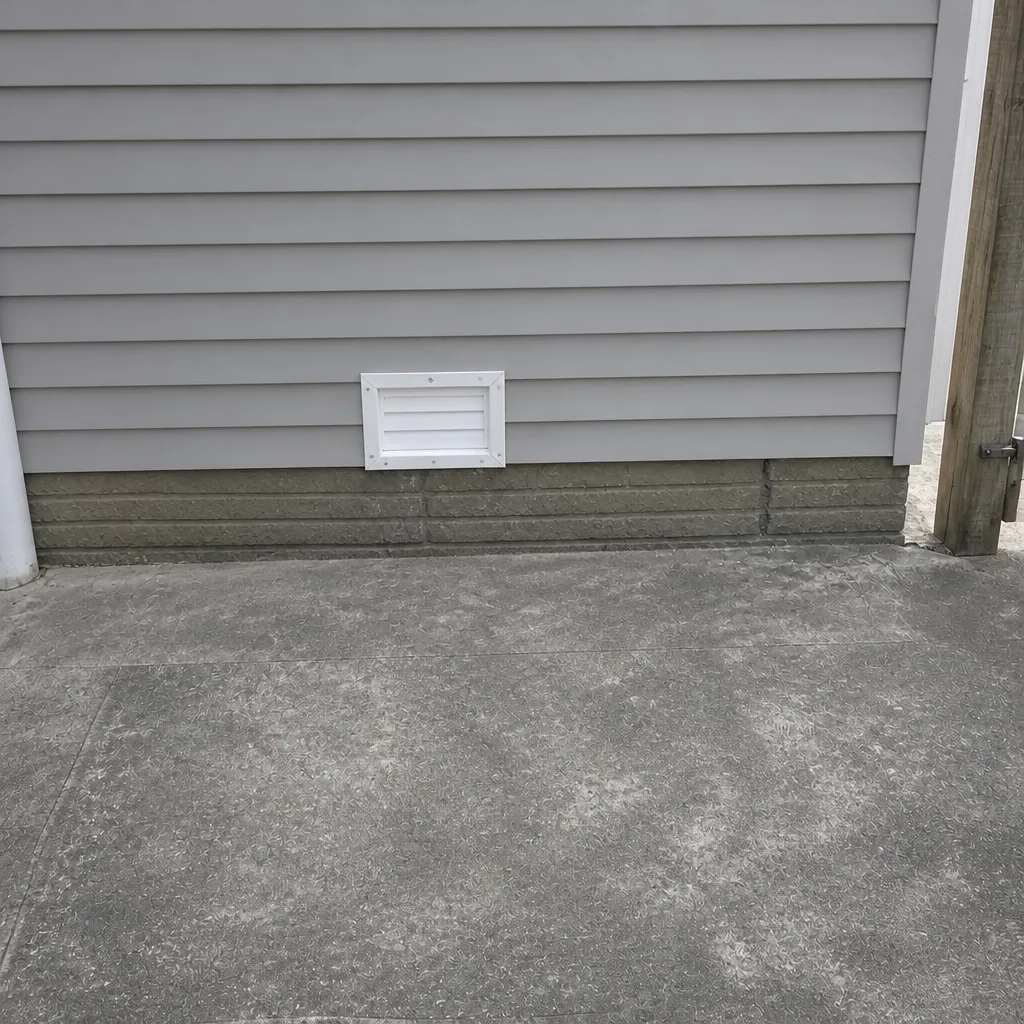
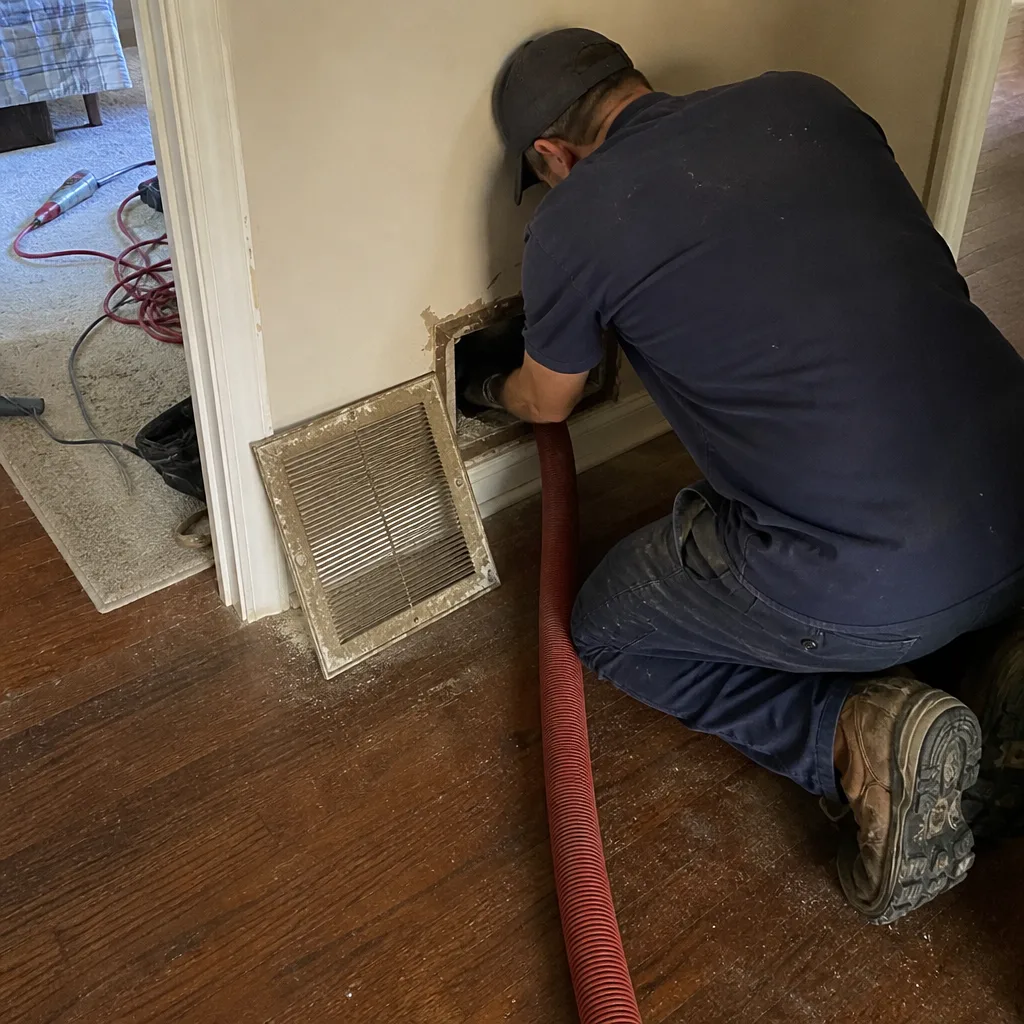
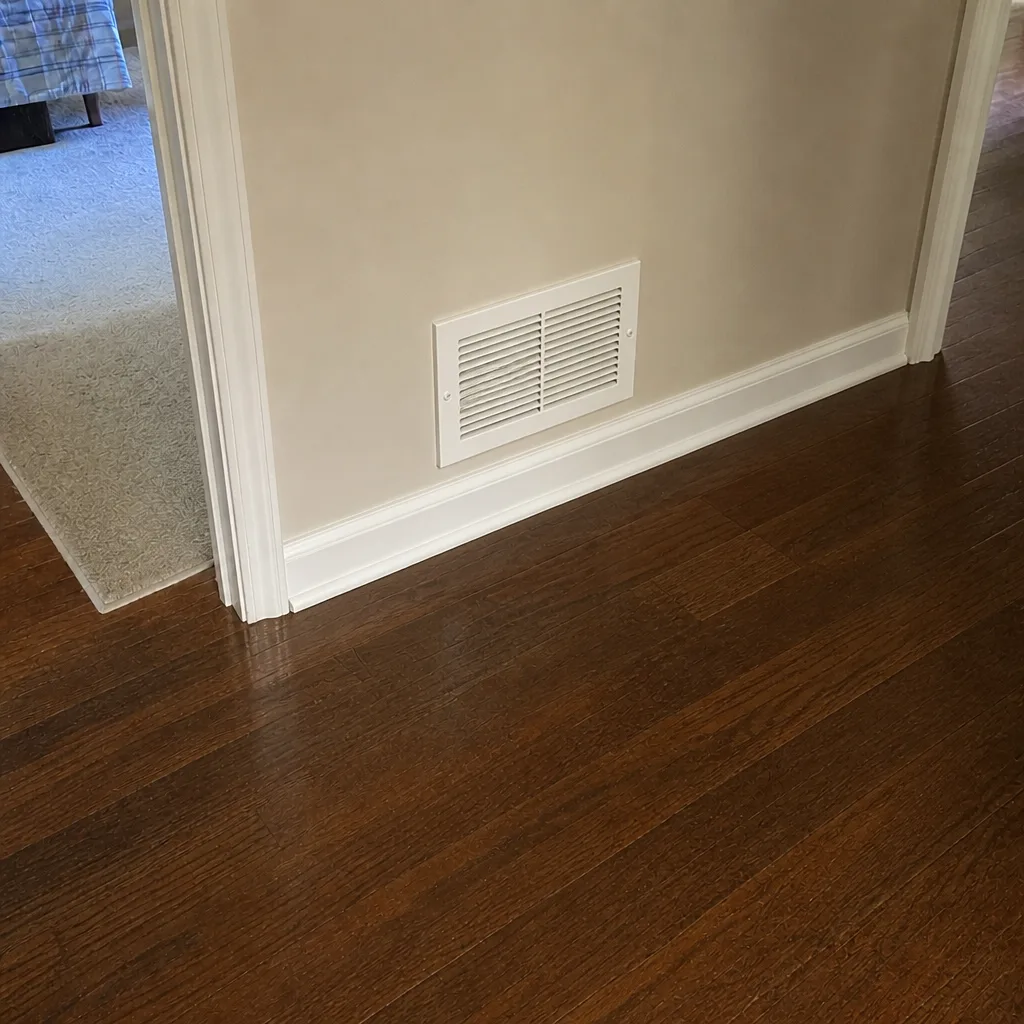
See the difference
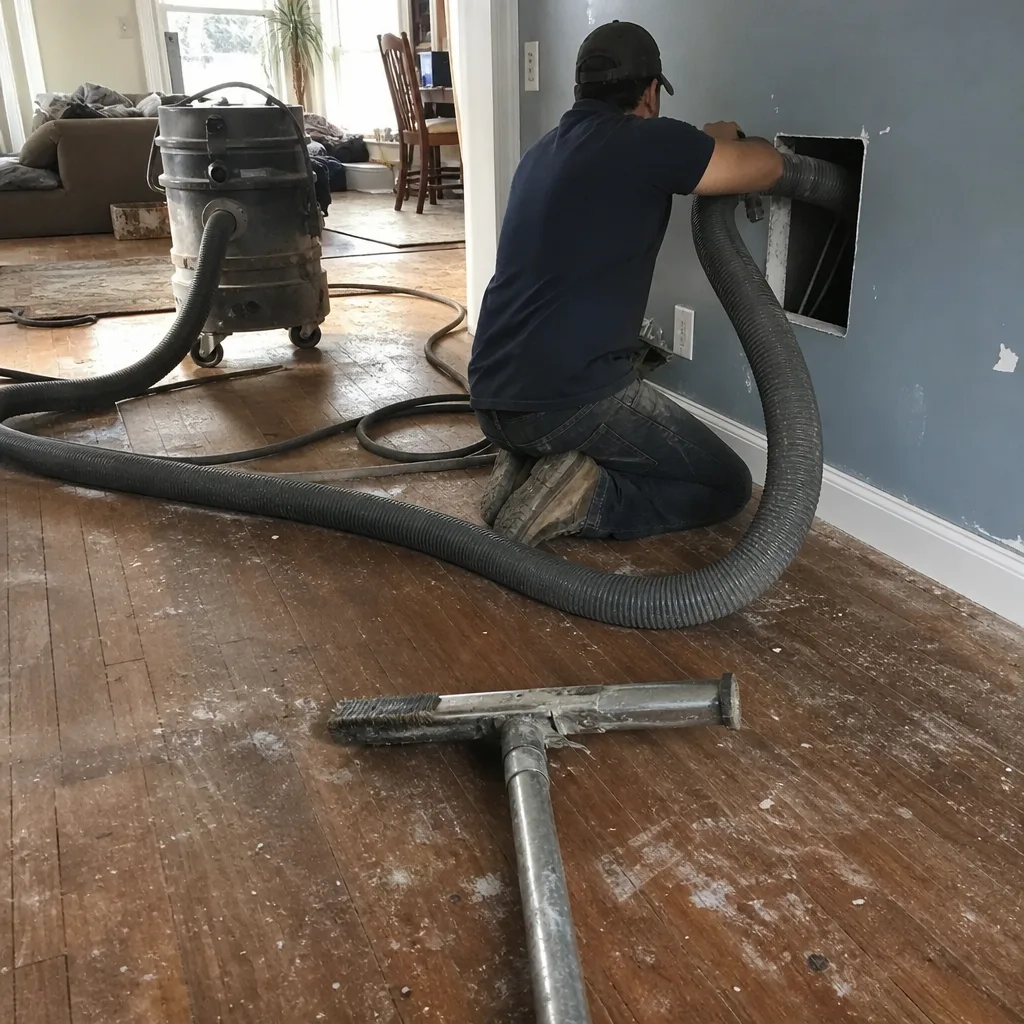 Before
 After
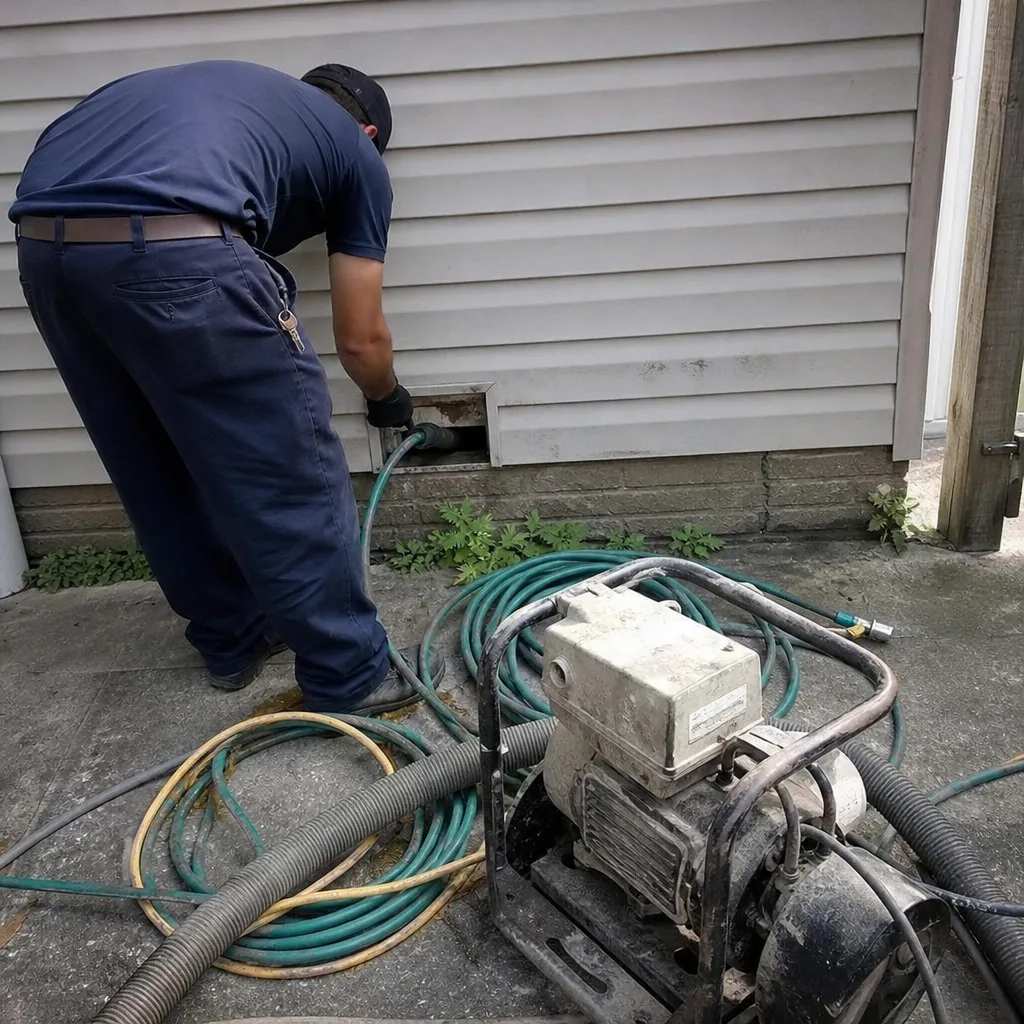 Before
 After
 Before
 After
When to Call a Professional
You should call a professional when a seasonal check turns up something you can’t resolve with a filter change – persistent musty odors, a duct run that’s disconnected or crushed, visible condensation on insulated ductwork, or a room that’s consistently cooler or hotter than the rest of the house. You should also call if the dryer takes two cycles to dry a load or the outside vent flap doesn’t open fully. Duct Cleaning Norfolk offers free estimates in Norfolk – call (833) 519-7500. We answer 24/7. Fast dispatch from 7am to 7pm, Sunday through Friday. A call outside dispatch hours is booked into the next opening. Our technicians have up to 14 years of experience, and the estimate is free and priced per system by the written estimate.
Frequently Asked Questions
Most Norfolk homes fall into a once-a-year pattern, timed to the late summer or early fall rather than the calendar year. The humidity and long cooling season mean a system running hard through August accumulates in a season what a dry-climate home takes two years to build up. Homes with pets, allergy sufferers, or a recent renovation may need it more often. Call (833) 519-7500 for an honest read on your system – estimates are free.
Late summer through early fall is the most practical window in Norfolk. The system has finished its heaviest cooling run, and a cleaning done before the first heat cycle in October means the summer’s accumulation is gone before it gets stirred up. Spring works as a second-best window if you’re going to clean before cooling season, and April inspections are worth doing regardless. If you want a recommendation on timing for your house, call (833) 519-7500 for a free estimate.
A brief burnt-dust smell at the first heating cycle is normal – it’s dust settling on the heat exchanger over the summer. A musty smell, or one that returns every time the system runs, points to moisture or contamination in the duct system itself, often tied to a compromised insulated run or a leak that pulled humid attic or crawlspace air into the system. A cleaning and inspection will tell you which it is. Call (833) 519-7500 to schedule an assessment – estimates are free.
After, if a repair is needed. Cleaning a duct system with a disconnected joint or a crushed run means cleaning it and then leaving the reason it was dirty in place. Repair first, then clean, so the system is tight and sealed before the cleaning work is done. Our duct repair service handles the structural problem, and a cleaning after it addresses the accumulation. Call (833) 519-7500 to talk through your system – estimates are free.
You should see before-and-after photos of your own ductwork, not a generic stock image, and you should have a written estimate that itemizes what’s included and what equipment is used before work starts. A crew using professional-grade equipment – a rotary brush system and a HEPA-filtered vacuum, not a shop vac – has a documented process the homeowner can hold to. Ask for the photos and the written estimate. Call (833) 519-7500 for an estimate that’s specific to your system – it’s free.
A quote that looks far below the rest of the market usually reflects less of something: less equipment, less time, a smaller crew, or a price that grows once the technician is on site. Ask what’s included and what equipment is used. Our pricing is one flat price per system, agreed before work starts, with no per-vent charges and before-and-after photos of your own ducts. Call (833) 519-7500 for a free written estimate.
The Bottom Line
Norfolk’s climate doesn’t stress a duct system evenly across the year, and treating duct cleaning as a single annual event misses the two windows that matter most: late summer, when humid operation drives contamination into insulated flex duct, and early fall, when the first heat cycle sends it back into the air. The practical approach is a seasonal calendar – spring inspection before cooling, August-September attention to condensation and moisture, October cleaning and inspection before heat season, winter filter management, and dryer vent checks timed to your household’s laundry pattern. Our technicians have up to 14 years of experience with this pattern in Norfolk homes, and we handle cleaning, repair, and dryer vent safety as one focused scope. Call (833) 519-7500 for a free estimate. We answer 24/7. Fast dispatch from 7am to 7pm, Sunday through Friday. The written estimate sets the final price, and before-and-after photos of your own ducts come with the work.
Written by the team at Duct Cleaning Norfolk.