
Last updated November 15, 2026
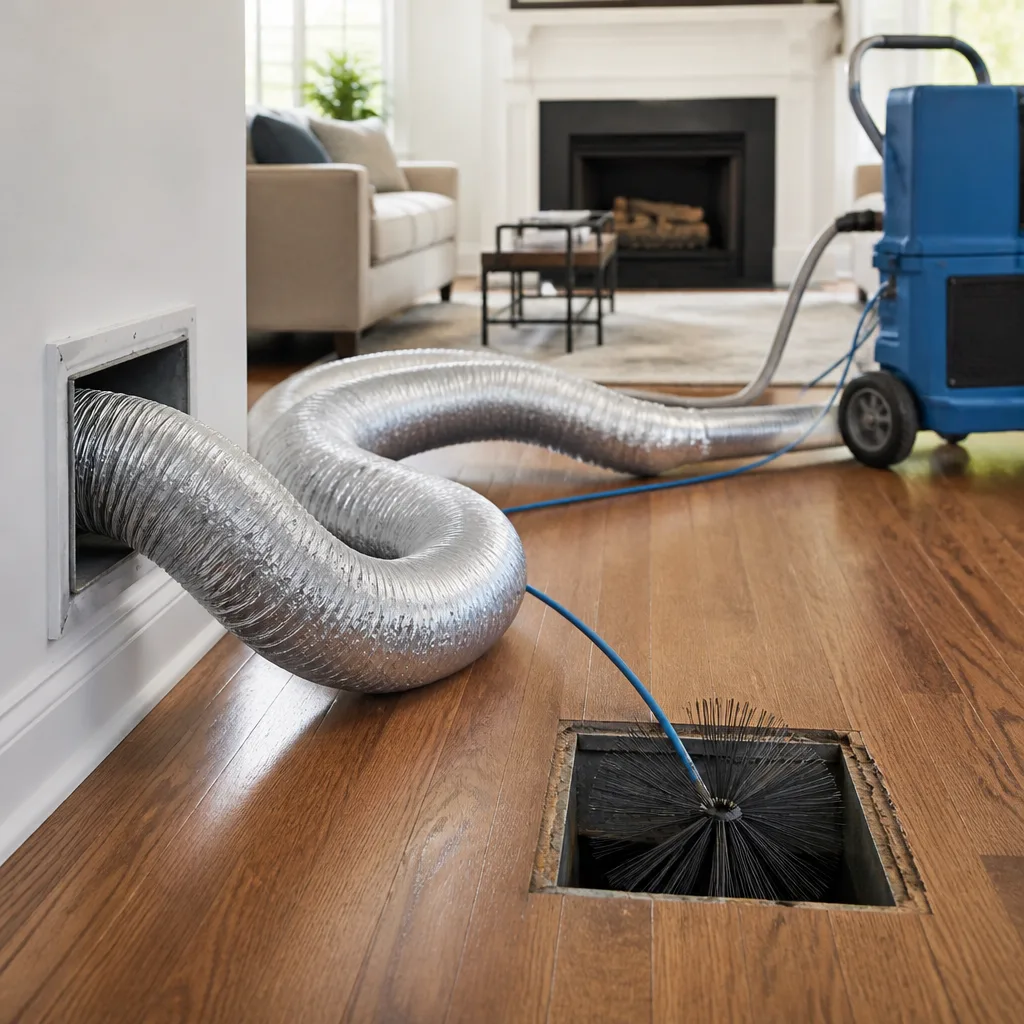 Whole-home duct cleaning
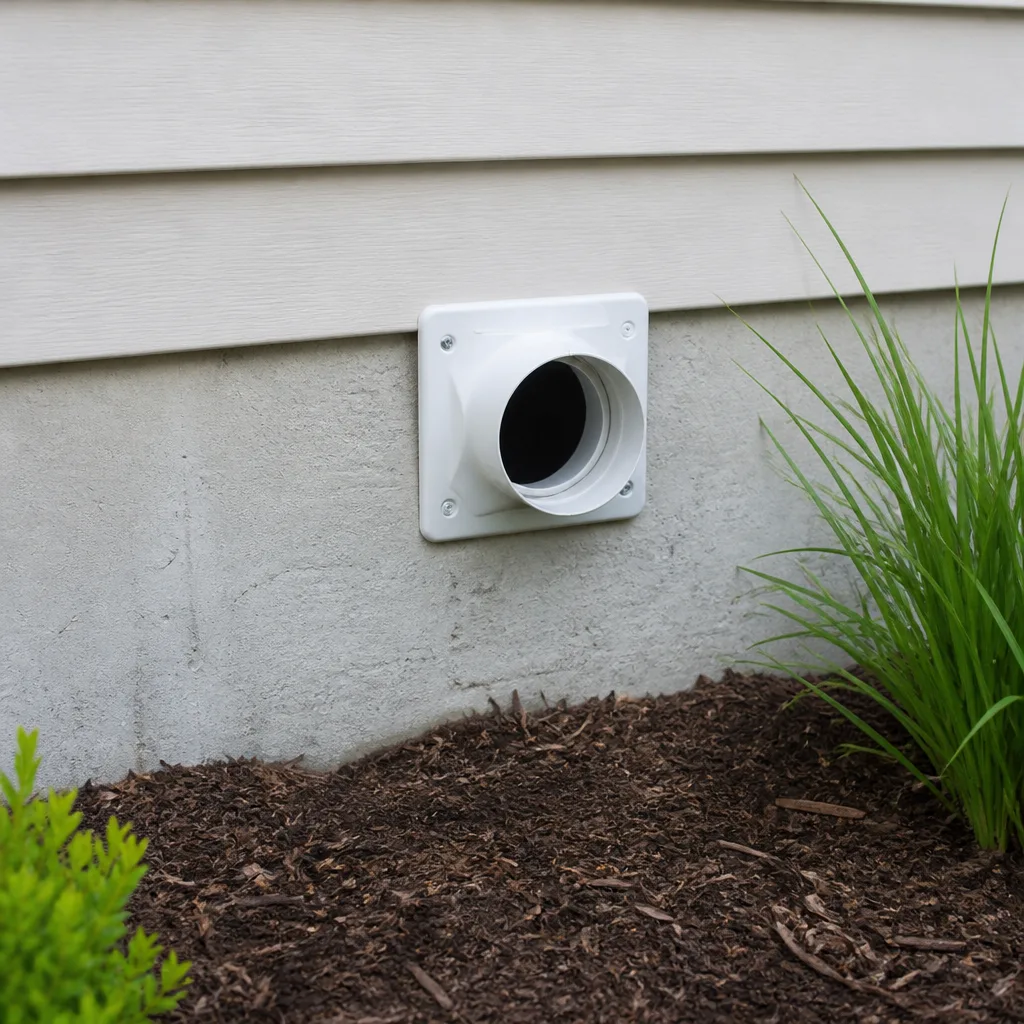 Dryer vent cleaning
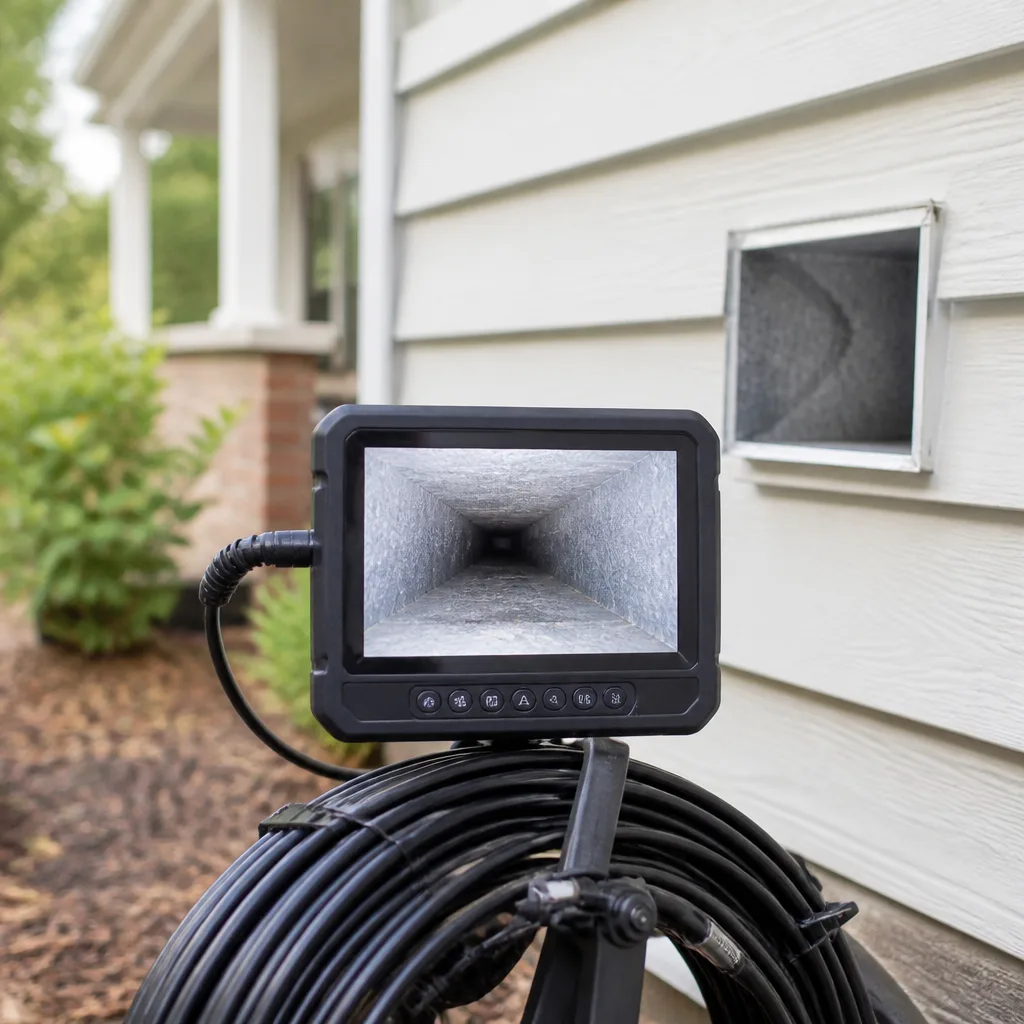 Camera inspection
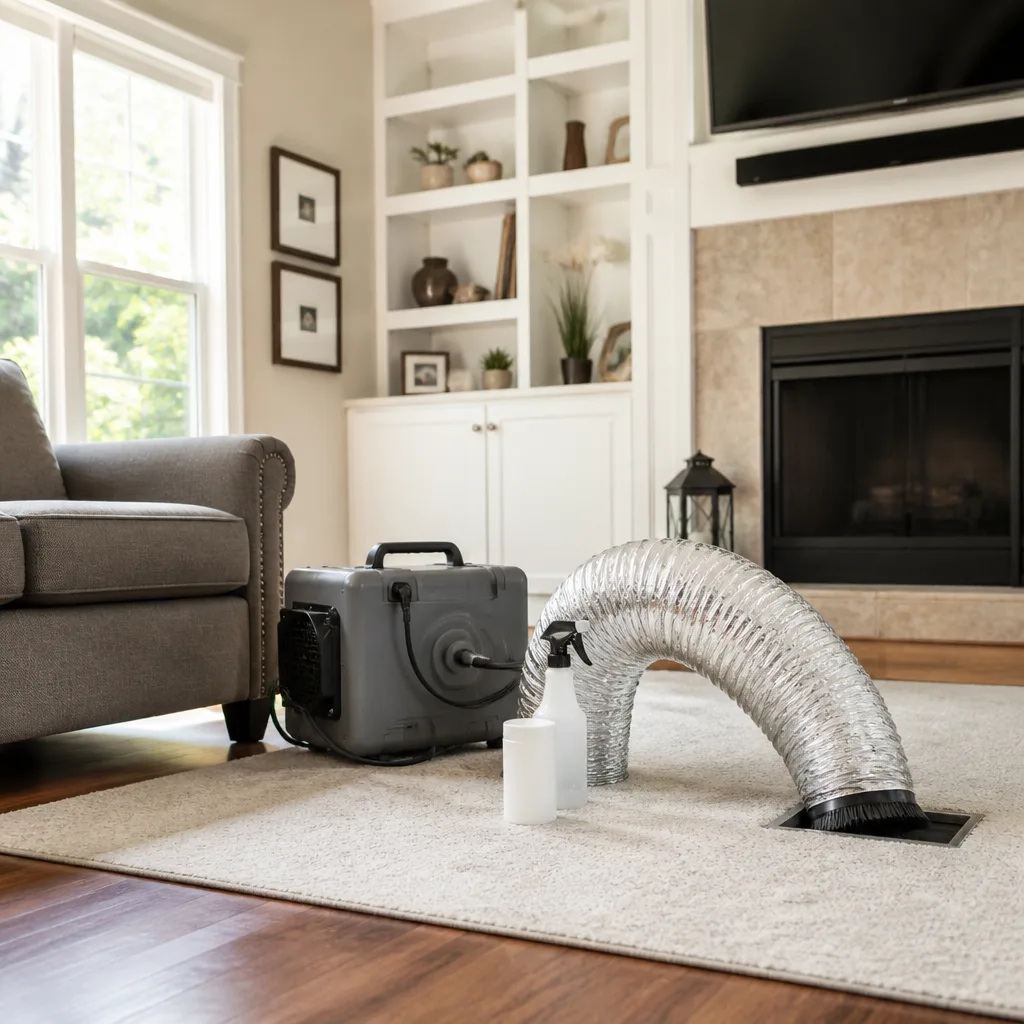 Sanitizing & deodorizing
Whole-system duct and dryer vent check with before-and-after photos - you see exactly what came out of your vents
That "$99 whole-house special" is a bait ad - the real number appears once they are in your hallway, or the "clean" is a shop-vac at the register. We photograph the inside of your ducts before and after instead.
Air Duct Cleaning Cost Breakdown: The Norfolk Homeowner’s Reference for 2026
A $149 whole-house duct cleaning quote in Norfolk covers roughly two hours of labor and a residential shop vac. A quote three or four times that covers a negative-air machine, a camera inspection, and a technician who knows what they’re looking at inside your system. Neither number is arbitrary, and neither is automatically the right one for your house. The gap between the lowest bid and the highest one almost never comes down to profit margin. It comes down to what equipment shows up, how long the job actually takes, and whether the contractor is being honest about either. This reference breaks down what drives legitimate air duct cleaning pricing in Norfolk, which add-ons are worth paying for, and how to compare three quotes at the same scope so the cheapest number stops being the deciding factor.
Quick Answer
Air duct cleaning in Norfolk typically runs $350 to $700 for a standard single-system home, with larger homes, multi-system setups, and crawlspace-heavy configurations landing in the $700 to $1,200 range. Sanitization, dryer vent cleaning, and duct repair are usually priced separately. The written estimate you get after the technician sees the system is the final price, and any quote that changes once the truck is in the driveway deserves a hard question.
Styles & brands we work with
- Whole-home duct cleaning
- Dryer vent cleaning
- Camera inspection
- Sanitizing & deodorizing
Table of Contents
- Why duct cleaning quotes in Norfolk vary by three or four times
- What actually drives the price: square footage, register count, or linear duct footage
- Why the equipment on the truck shows up in a fair quote
- Norfolk-specific factors that move the price
- Legitimate add-ons versus predatory upsells
- How to compare quotes at equivalent scope
- What a professional duct cleaning visit actually involves
- Common mistakes to avoid
Why duct cleaning quotes in Norfolk vary by three or four times
Three contractors can look at the same Norfolk house and return quotes of $180, $500, and $900. Homeowners reasonably assume the middle one is “the real price” and the others are outliers. In our experience, the spread is usually accurate: each number reflects a genuinely different job.
The $180 quote is a vacuum-and-go visit. A technician connects a shop-grade vacuum to one register, runs a whipping tool through the trunks for an hour or so, and leaves. No containment. No negative air. Nothing captures the dust that the whipping tool loosens, which means some of it ends up settling back into the system and some of it drifts into the room. The work isn’t necessarily dishonest. It’s just a fraction of what proper cleaning involves.
The $900 quote usually involves a two-technician crew, a negative-air machine running for the duration, containment at the supply registers, a camera inspection of the main trunk, and enough time to actually finish. The cost of that job is real: equipment depreciation, filtration media, two people’s labor, and the time to seal and unseal the system properly.
What separates the two isn’t salesmanship. It’s methodology. When you call Duct Cleaning Norfolk, the estimate you get is based on how the system is actually configured, not on a flat per-vent rate designed to get a signature. That’s the whole point of a written estimate done on site.
Norfolk has a specific wrinkle. A lot of the housing stock in neighborhoods like Ghent, Larchmont, and Colonial Place was built well before flexible duct became standard, which means galvanized trunk lines, short branch runs, and return-air paths that don’t resemble anything in a 2005 build. A quote written from a phone call for a “typical” house is a guess. A quote based on a walkthrough is not.
What actually drives the price: square footage, register count, or linear duct footage
Of the three common pricing metrics, linear duct footage is the most honest, register count is the easiest to game, and square footage is the least precise. Most contractors quote on register count because it’s quick and easy to explain. That doesn’t make it accurate.
Here’s how each metric behaves:
- Square footage. A 2,200-square-foot ranch and a 2,200-square-foot two-story have very different duct layouts. Square footage tells you almost nothing about how much duct actually exists.
- Register count. A home with ten registers in an open floor plan has short, simple runs. A home with ten registers spread across a split level has long trunk lines, elbows, and transitions. Same count, very different work.
- Linear duct footage. The actual length of trunk, branch, and return runs. A 1,800-square-foot home with a single system typically has 90 to 140 linear feet of ductwork. That number is what determines how long the job takes, and time is the real cost input.
When a contractor quotes you per register, you’re paying for openings, not duct. A house with a long trunk line and only six registers gets an under-quoted job and rushed work. A house with a short system and fourteen registers gets an over-quoted one.
The most accurate quotes combine all three. The technician counts registers, measures the main trunk runs, notes the return configuration, and considers whether the system is in a conditioned space or a vented attic. In older Norfolk homes, the return path is often the biggest variable. Original installations used framing cavities as return chases, which means the “return duct” is the wall. That changes how cleaning works and how much it costs, and no per-register price captures it.
When you’re comparing bids, ask the contractor what metric they used. If they can’t tell you the approximate linear footage, they quoted from a template, not from your house.
Why the equipment on the truck shows up in a fair quote
The single biggest cost difference between a $149 quote and a $500 one is what got loaded into the truck that morning. A residential shop vac costs a few hundred dollars. A contractor-grade negative-air machine with HEPA filtration costs several thousand. That investment has to be paid for somewhere, and it isn’t magic. It’s in the quote.
Everything we use is purpose-built for ductwork, not adapted from another trade:
- Rotobrush. A rotary brush system that agitates caked-on debris on the duct walls while simultaneously extracting it. The agitation is what separates cleaning from vacuuming. Loose dust comes out with a vacuum; bonded dust doesn’t.
- Nikro. HEPA-filtered vacuum equipment that captures fine particulate at the source during service. This is what prevents the cross-contamination that plagues low-bid jobs: dust pulled out of one register and pushed out of another into the living room.
- Abatement Technologies. Negative-air and containment equipment, the same category used in professional remediation work. Containment at the registers maintains negative pressure inside the duct system while it’s being cleaned, so debris travels toward the machine and not into your air.
These three tools work as a system. Rotobrush agitates, Nikro captures, Abatement contains. Pull any one of them out and the job degrades. That’s why a crew using all three can charge what it charges and a crew using only a shop vac can’t.
The equipment isn’t the entire price story, but it’s the biggest driver of the honest part of it. When you see a low quote, the fair question isn’t “why is the other guy charging more?” It’s “what isn’t this quote paying for?”
Norfolk-specific factors that move the price
Duct cleaning pricing isn’t the same everywhere, and Norfolk has several conditions that push legitimate quotes above what a coastal-market calculator will tell you. These aren’t upsells. They’re the reality of the housing stock and the climate.
Older duct configurations
Much of Norfolk’s housing was built between the 1920s and the 1970s. That era of construction often used hard-duct trunks with short flexible branches, undersized returns, and in some cases, ductwork that runs through unconditioned crawlspace or attic space without insulation. Cleaning these systems takes longer than cleaning a modern home with a straight trunk and even branch spacing. The access points are harder to reach, and the duct often needs inspecting along its length rather than just at the ends.
Crawlspace access difficulty
A significant share of Norfolk homes sit on crawlspaces, and those crawlspaces vary from clean and accessible to tight, humid, and cluttered with plumbing and wiring. When the only way to run a vacuum hose to the far end of the trunk is through a crawlspace, the job takes additional time and a technician willing to work in uncomfortable conditions. That time is real, and any honest quote reflects it.
High-humidity system conditions
Norfolk summers keep relative humidity elevated for months, and systems that run hard in that environment accumulate a different kind of debris than dry-climate systems. Dust that’s been repeatedly exposed to high humidity can bind to duct walls and require more agitation to break loose. It’s not exotic, but it’s a legitimate reason cleaning takes longer here than a phone-quote template assumes.
Return-air configuration
In many older Norfolk homes, the return path runs through wall cavities or floor joist spaces rather than dedicated duct. Cleaning that path requires different access and, in some cases, repair rather than just cleaning. A contractor who doesn’t know to look for this will quote low and then either cut corners or change the price on site.
For a fuller look at how these local conditions affect the service itself, see our Norfolk page.
Legitimate add-ons versus predatory upsells
Not every add-on is a trap, but the ones that get sold on-site with no documentation almost always are. Here’s how to sort them.
Add-ons that are worth paying for
- Dryer vent cleaning. A separate service, priced separately, and worth doing. Lint accumulation in dryer exhaust is a leading cause of residential fires, and a licensed dryer vent cleaning visit addresses it directly. This is a fire-risk mitigation service, not a cheap add-on to a duct job. Treat it as its own appointment.
- Duct repair. If the inspection turns up disconnected joints, crushed sections, or leaking seams, cleaning won’t fix it. Duct repair is a standalone service for a reason: cleaning a leaking system wastes the effort. A contractor who can do both under one roof saves you a second trade.
- Sanitization. A legitimate service when it’s appropriate. It’s not required on every job, and it shouldn’t be added to every invoice by default. If a contractor recommends sanitization, ask them to show you the inspection footage or photos that justify it.
- Filtration upgrades with brands like Aprilaire. If your system is running basic fiberglass filters and your household has allergy concerns, an upgraded filter cabinet is a real improvement. Not every duct cleaning company carries or understands these products. We do, which is a reason we can recommend them honestly rather than refuse to discuss them.
Patterns that should make you pause
- “Mold treatment” recommended on-site with no photos or documentation. If a technician tells you there’s mold in your ducts, they should be able to show you where, with clear images. A verbal claim following a walkthrough isn’t evidence.
- A big add-on price after the base price was low. This is the classic bait-and-switch structure. The base number gets you to sign, and the real money comes from the add-ons you didn’t expect.
- Bundle pressure. Any discount for adding services on the spot is a sales tactic, not a customer benefit. The price for a service should be the same whether you agree to it in the driveway or schedule it three weeks later.
One flat price per system, agreed before work starts, with no per-vent pricing, is the structure that keeps this clean. When you know the total before the first hose goes in, add-ons aren’t a sales decision.
How to compare quotes at equivalent scope
Two quotes at $450 each can cover wildly different work. The only way to compare them fairly is to normalize the scope first. Here’s the framework we’d use if we were the homeowner.
- Ask each contractor what the scope actually is. Not the price, the scope. How many linear feet will be cleaned? Will the returns be cleaned as well as the supplies? Will the main trunk be inspected with a camera? Will containment be used at the registers?
- Ask what equipment will be on site. Rotary brush agitation, HEPA extraction, and negative-air containment are the three categories that matter. A quote that doesn’t include at least two of them isn’t pricing the same job.
- Ask whether the price is flat or per-vent. A flat price per system is predictable. A per-vent price invites the question of what happens when someone miscounts on the day of service.
- Ask whether dryer vent cleaning is a separate line item. It should be. If it’s “included” for $50 extra, ask what equipment is being used and how long the vent will take.
- Ask about repair versus cleaning when the inspection finds issues. Will they clean and note the problem, or will they quote repair on the spot? Both answers are reasonable. What isn’t reasonable is being told that duct replacement is required.
- Ask for before-and-after photos of the duct interior. A camera inspection before and after cleaning is standard equipment capability. Photographic evidence of the work done isn’t a premium feature. It’s how the customer verifies the work happened.
- Compare the final line on each quote, not the headline. Scope first, price second. If one quote covers twice the work, its higher number is the fair one.
For a step-by-step walkthrough of what we actually do on the visit, see our air duct cleaning page.
What a professional duct cleaning visit actually involves
The price on a fair quote reflects the sequence of work below. If a contractor’s process looks meaningfully shorter, the price difference is probably just the length of the process.
- Walkthrough and system mapping. Every register and return is located. In older Norfolk homes this step takes longer, because the register count and the duct layout rarely match what the original plans show.
- Containment setup. Negative-air equipment is positioned and connected so the system is under vacuum before any agitation begins. This is the step that prevents dust from being redistributed into the living space.
- Camera inspection of the main trunk. A look inside the duct before cleaning tells the technician what to expect and what to look for after. If the inspection turns up disconnected joints, it’s noted at this point.
- Mechanical agitation with a rotary brush. Every supply and return run is brushed. The brush loosens bonded debris while the vacuum extracts. Skipping this step in any area is the most common way a “whole-house cleaning” turns out to be a partial one.
- HEPA extraction. A second pass with a HEPA-filtered vacuum pulls fine particulate out of the system. This is where a shop-vac setup falls apart. A residential vacuum doesn’t hold fine dust in suspension.
- Post-cleaning inspection and photos. The camera goes back in and the outcome is documented. Before-and-after photos are a standard output, not a favor.
- Dryer vent check if scheduled. The dryer vent is rarely part of a duct cleaning quote. We treat it as its own service because the risk profile and the equipment are different.
- System reassembly and test. Registers are reseated, the system is returned to running, and airflow is verified.
For a house with straightforward ductwork, this sequence is a few hours. For a Norfolk home with a crawlspace trunk and original 1950s returns, it’s a longer day. That’s the honest difference in price between two quotes that look like they cover the same job.
Common Mistakes to Avoid
- Choosing the cheapest quote without asking what’s included. A $99 or $149 quote usually covers a fraction of the sequence above. Ask what equipment shows up and how long the job takes, and the missing piece becomes obvious.
- Accepting “mold treatment” sold on site without documentation. In Norfolk’s humid climate, mold concerns are real, but a claim without photos isn’t evidence of anything. Ask to see what the technician is seeing before agreeing to any add-on.
- Booking duct cleaning without addressing dryer vent cleaning. The two systems are often discussed together but they’re not the same job and don’t carry the same risk. Lint buildup in a dryer vent is a fire hazard; duct dust is an air quality concern. Treat the dryer vent as its own service.
- Assuming duct cleaning will fix air leaks. Cleaning removes debris. It doesn’t seal disconnected joints or repair crushed runs. If the inspection turns up structural problems, cleaning alone won’t resolve them, and any contractor who implies otherwise isn’t being accurate.
- Comparing quotes written on different metrics. A per-vent quote and a flat-per-system quote for the same house are not comparable numbers. Normalize before you decide.
- Ignoring crawlspace conditions in the estimate. If your Norfolk home has a tight or humid crawlspace housing the main trunk, a phone quote is a guess. Ask for the quote to be based on a walkthrough.
- Skipping the camera documentation. Before-and-after photos are how you verify the work. Any contractor who can’t or won’t provide them is telling you something useful about the process.
See the difference
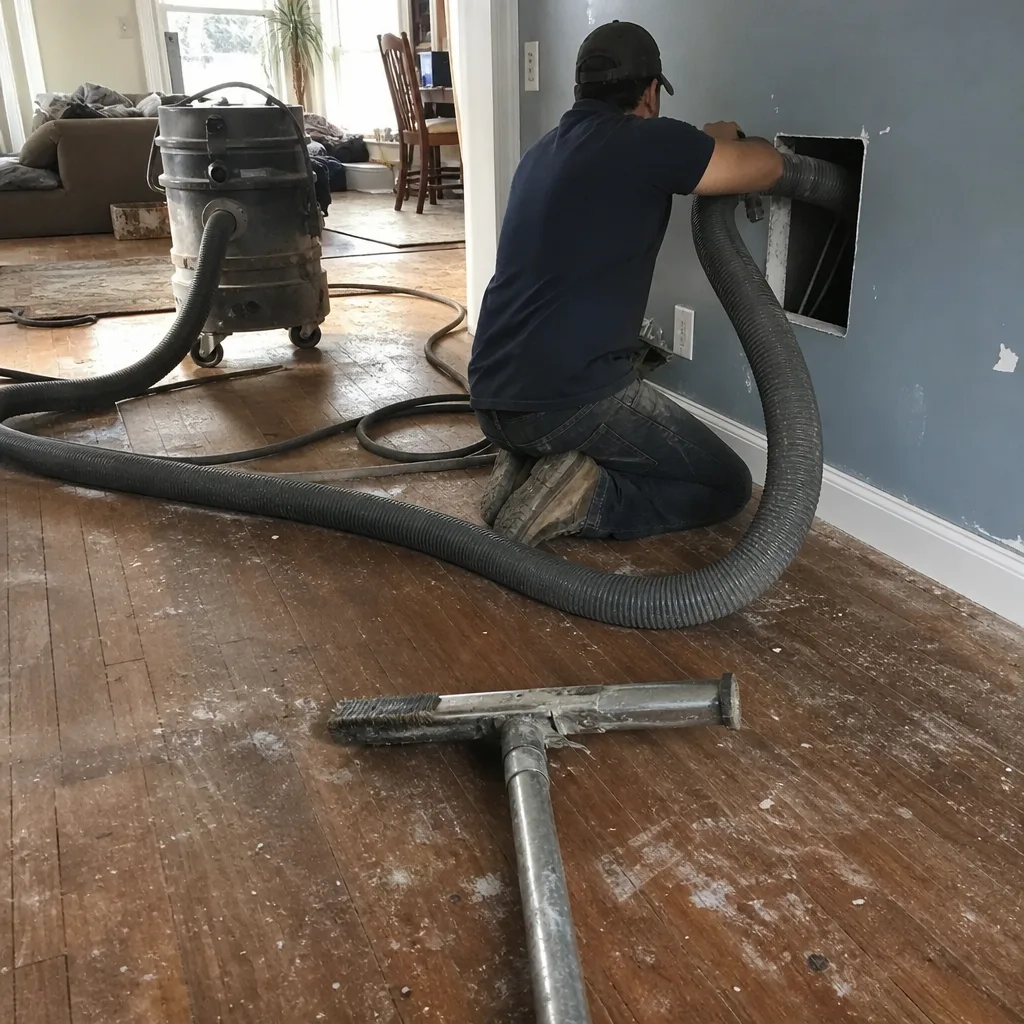 Before
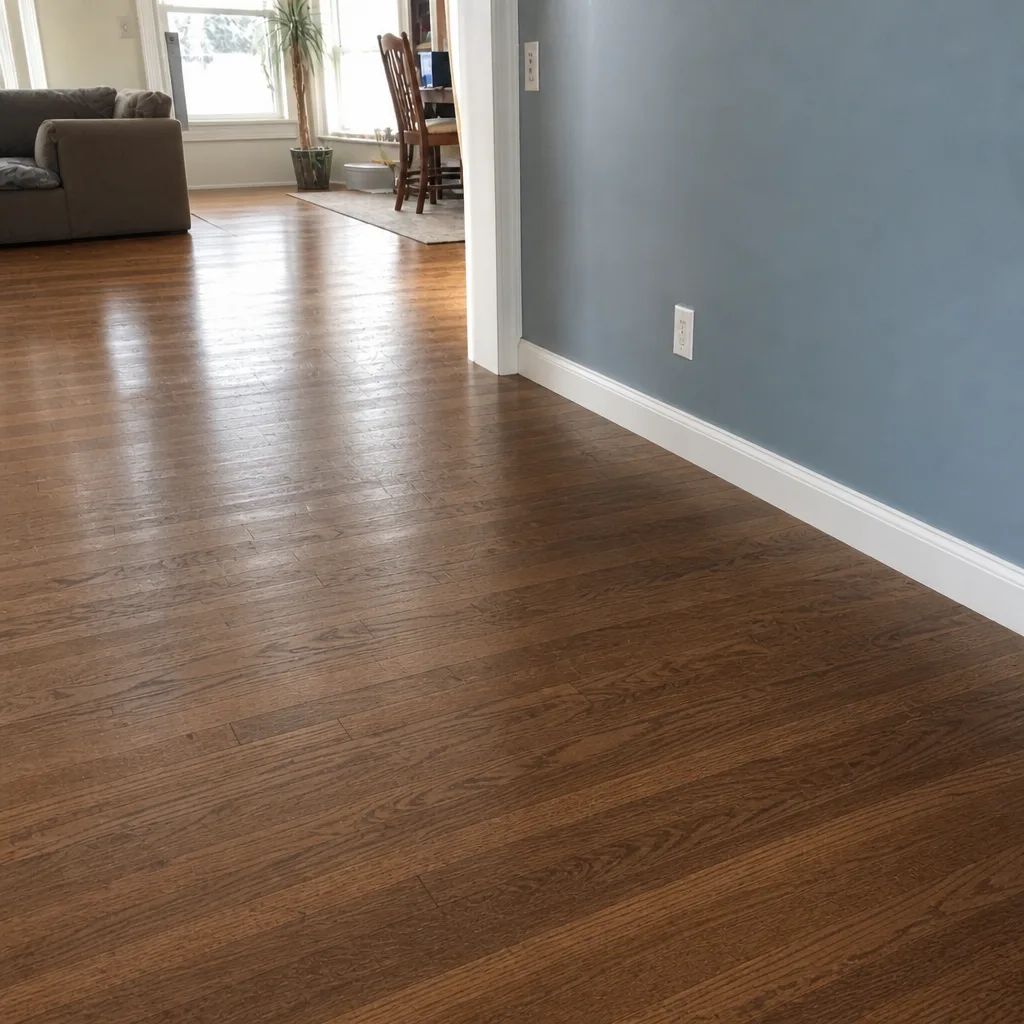 After
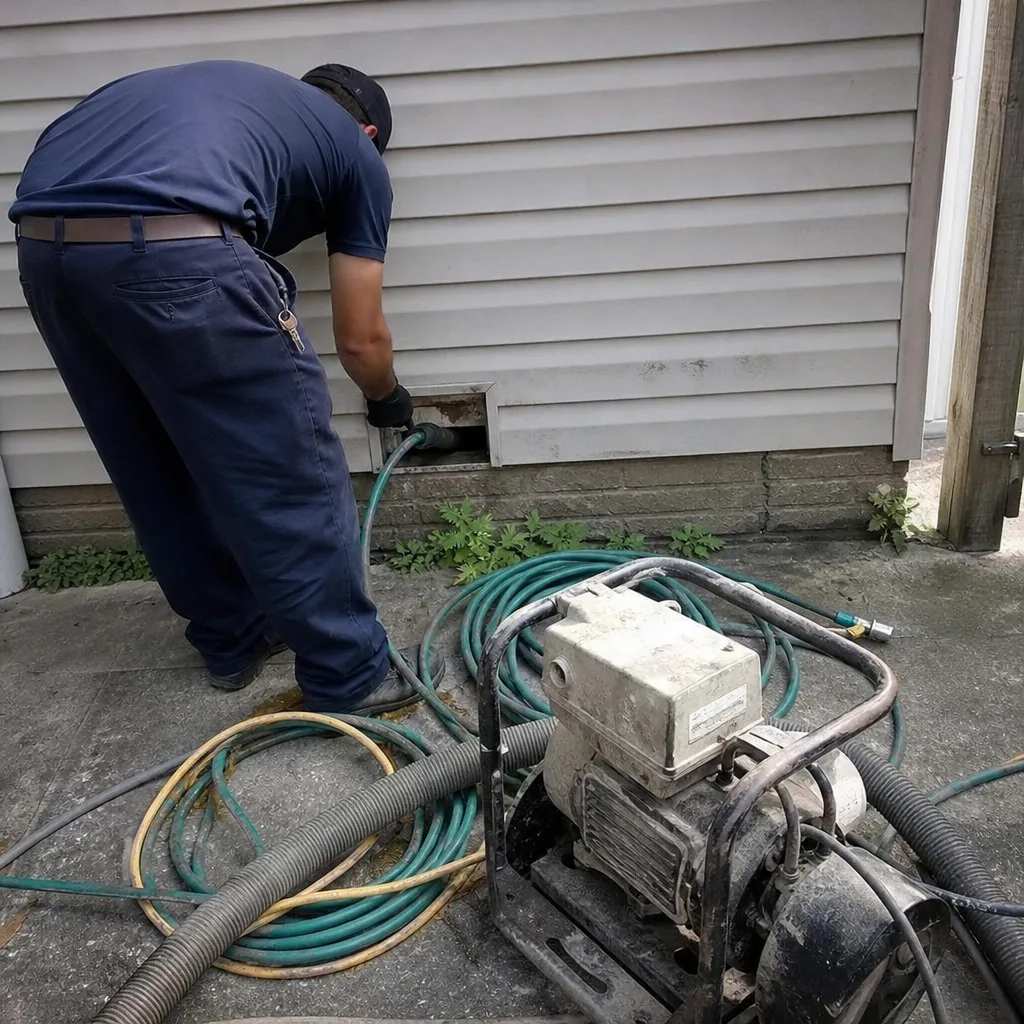 Before
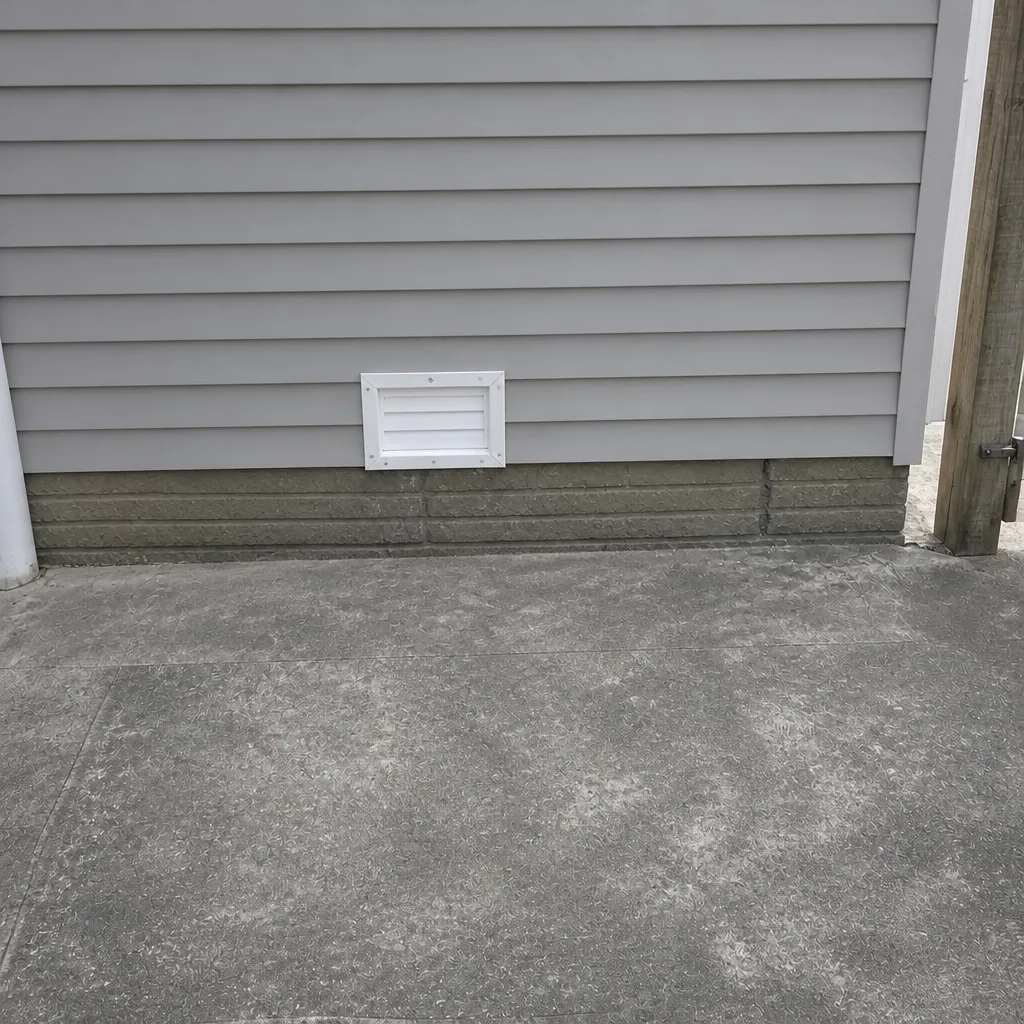 After
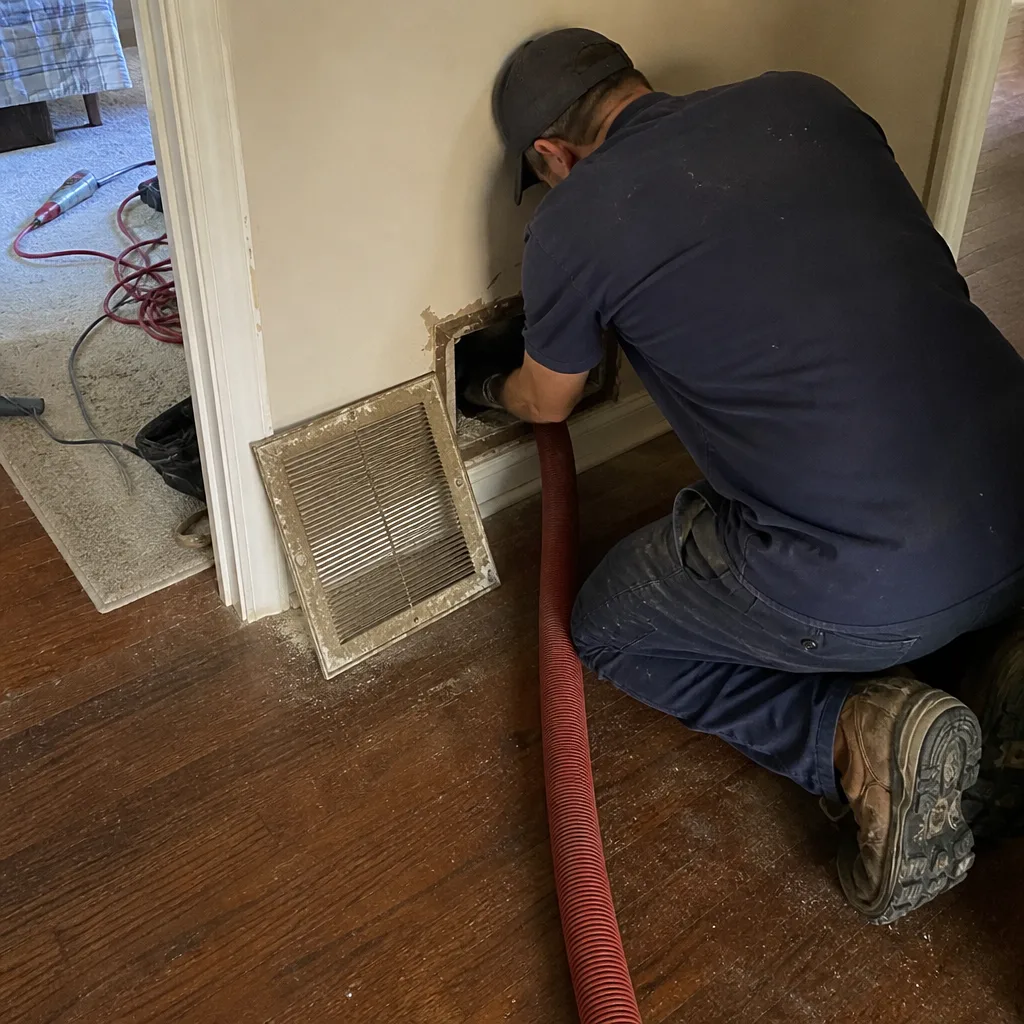 Before
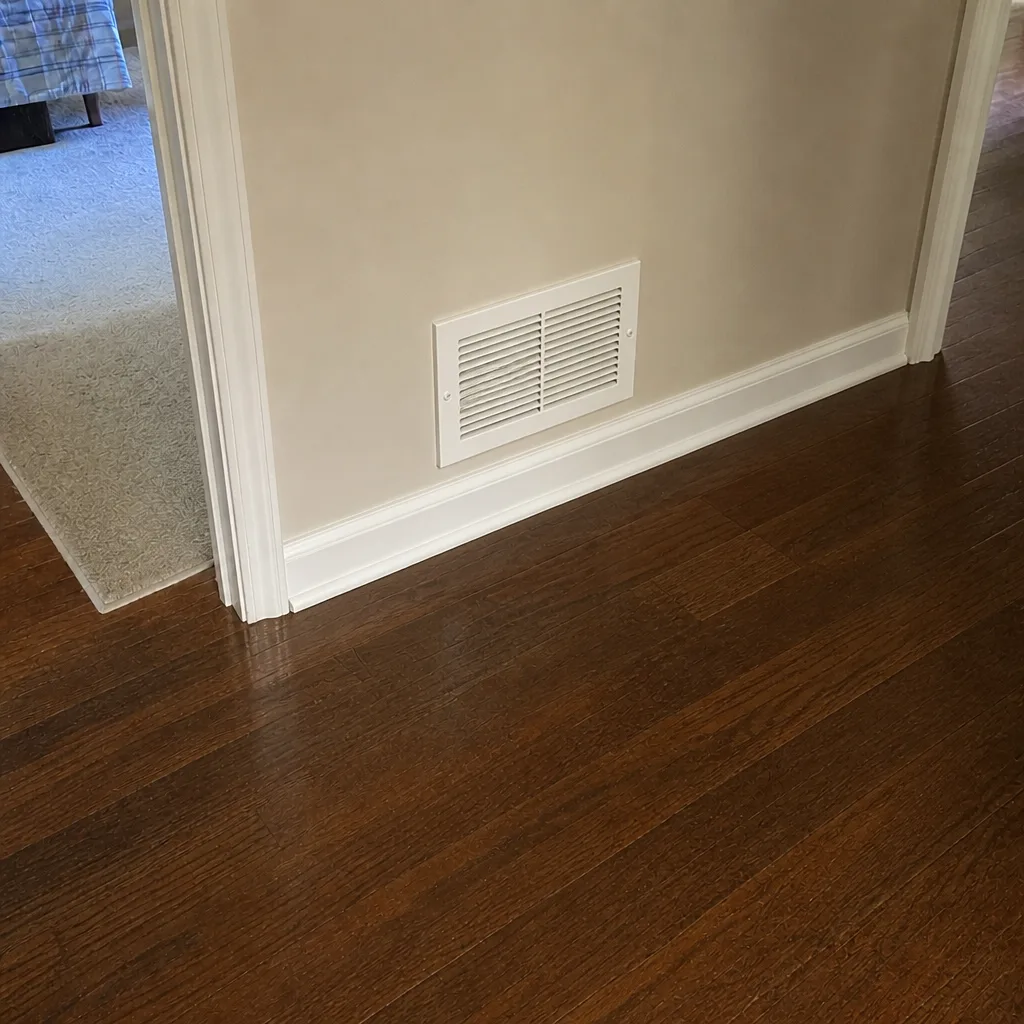 After
When to Call a Professional
Some signs point clearly toward calling a professional rather than scheduling at leisure. If you’ve recently moved into a Norfolk home and don’t know the last time the system was cleaned, an inspection answers the question. If anyone in the household has recurring allergy symptoms that seem to peak when the HVAC runs, the duct system is worth a look. If your energy bills have climbed without a rate change, disconnected ducts may be leaking conditioned air into a crawlspace.
Dryer vent cleaning is in a different category. Lint buildup in a dryer exhaust is a documented fire risk and shouldn’t be deferred indefinitely. If clothes take longer to dry, the dryer feels unusually hot on the outside, or you haven’t had the vent checked in several years, schedule it as its own visit.
Duct Cleaning Norfolk offers free estimates in Norfolk. Call (833) 519-7500. We answer 24/7. Fast dispatch from 7am to 7pm, Sunday through Friday.
Frequently Asked Questions
Typical pricing in Norfolk is $350 to $700 for a standard single-system home and $700 to $1,200 for larger homes or multi-system setups. Dryer vent cleaning, sanitization, and duct repair are usually priced separately. The written estimate after a walkthrough sets the final price. Call (833) 519-7500 for an exact quote; estimates are free.
Because they cover less work. A low quote usually means one technician, a shop-grade vacuum, no containment, and no camera inspection. The difference isn’t the profit margin. It’s the equipment on the truck and the time spent on site. When you compare two quotes, compare the scope first. Call (833) 519-7500 if you want to talk through what a specific quote includes.
Ask for before-and-after photos of the duct interior at the register and main trunk. Camera inspection is standard equipment, and photographic evidence of the work is a reasonable expectation on any duct cleaning job. On a service where nearly all the work happens inside the walls, documentation is the only way for a homeowner to verify it. Call (833) 519-7500 and we can walk through what documentation you’ll receive.
Every two to three years is a reasonable baseline for most Norfolk homes, and there’s no hard rule about how often is required. Homes with pets, recent renovations, or occupants with allergies often benefit from more frequent cleaning. Homes with newer systems and minimal dust load can stretch the interval. The honest answer depends on what the inspection finds. Call (833) 519-7500 and we’ll give a straight recommendation.
Elevated humidity can mean dust binds more firmly to duct walls, which takes more agitation time to break loose. That doesn’t change the price of a given quote, but it can move a home from “standard” into “takes longer” territory. It’s one of the reasons a walkthrough-based quote is more accurate than a phone-based one here. Call (833) 519-7500 to schedule an estimate.
They can be scheduled together, but they’re priced separately because they’re different jobs with different equipment and different risk. Dryer vent cleaning addresses lint accumulation in the exhaust path, which is a fire-risk mitigation service. Duct cleaning addresses debris in the HVAC system. Both are worth doing; neither should be assumed to be a cheap add-on to the other. Call (833) 519-7500 to book either or both.
The Bottom Line
The spread between Norfolk duct cleaning quotes isn’t a mystery once you know what to look for. A low quote reflects a shorter process and smaller equipment. A high quote reflects a longer process, contractor-grade tools like Rotobrush, Nikro, and Abatement Technologies, and a written estimate based on your actual system. The fairest prices cluster in the middle, at $350 to $700 for a standard home, with larger or more complex Norfolk homes running higher. The right way to evaluate a quote is scope first, price second, and documentation throughout. Whichever direction you go, ask what equipment shows up and how long the job will take. The answer tells you the most about what you’re actually buying.
Duct Cleaning Norfolk offers free estimates. We handle air duct cleaning, dryer vent cleaning, and duct repair as one focused service. Call (833) 519-7500. We answer 24/7. Fast dispatch from 7am to 7pm, Sunday through Friday.
Written by the team at Duct Cleaning Norfolk.