
Last updated November 15, 2026
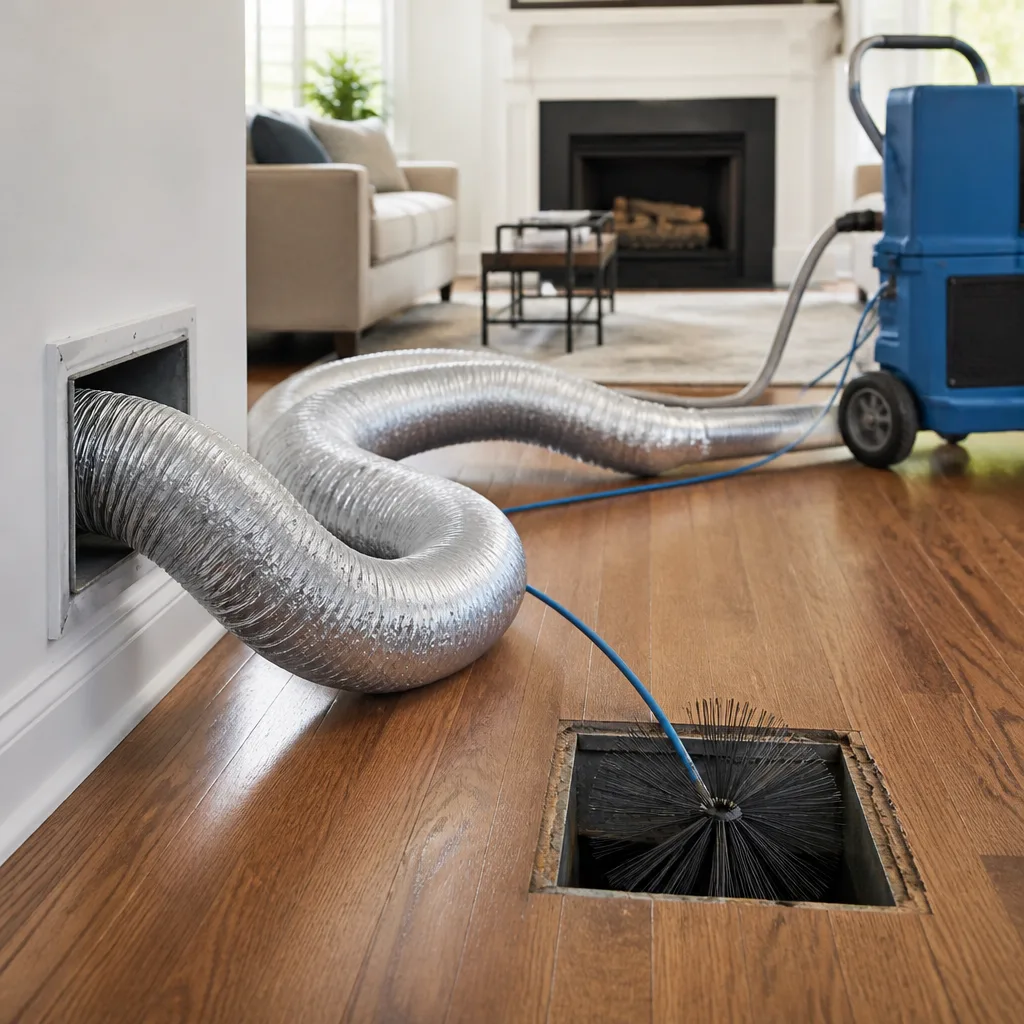 Whole-home duct cleaning
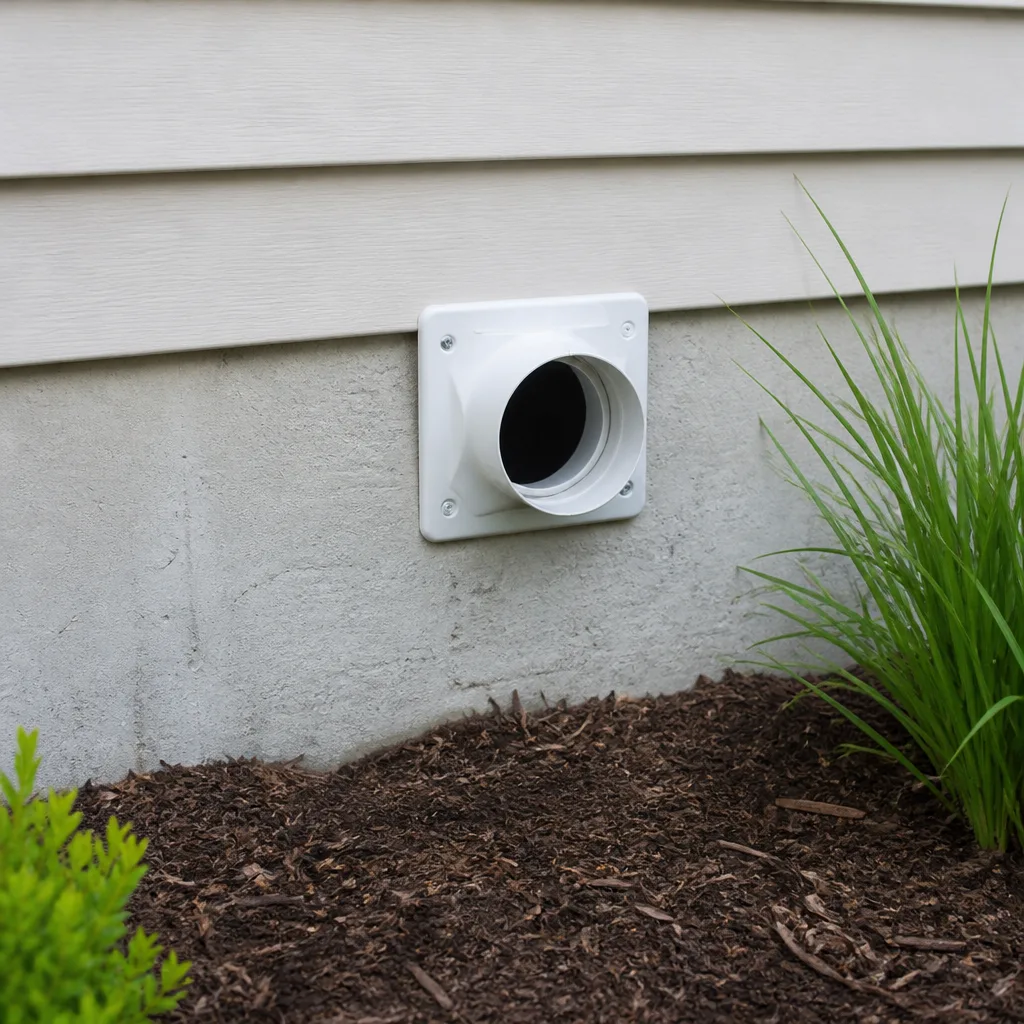 Dryer vent cleaning
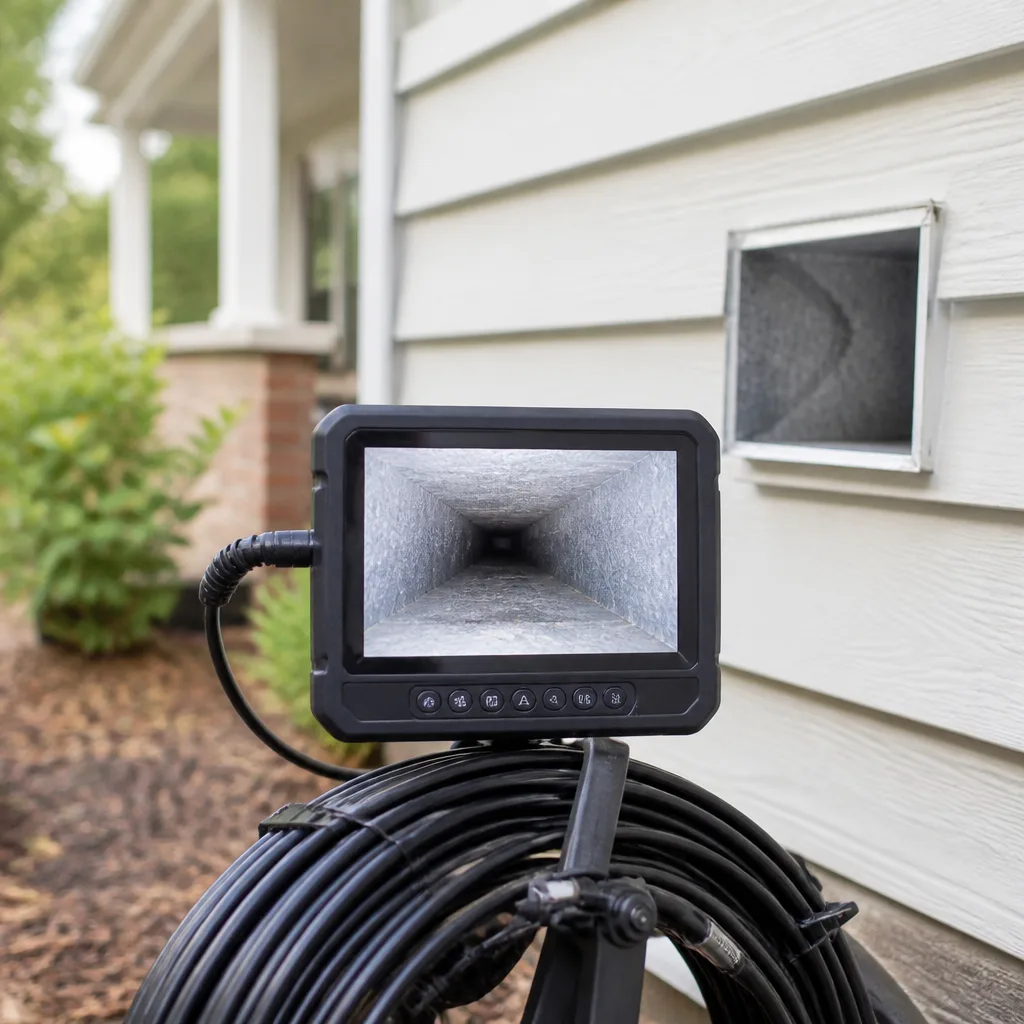 Camera inspection
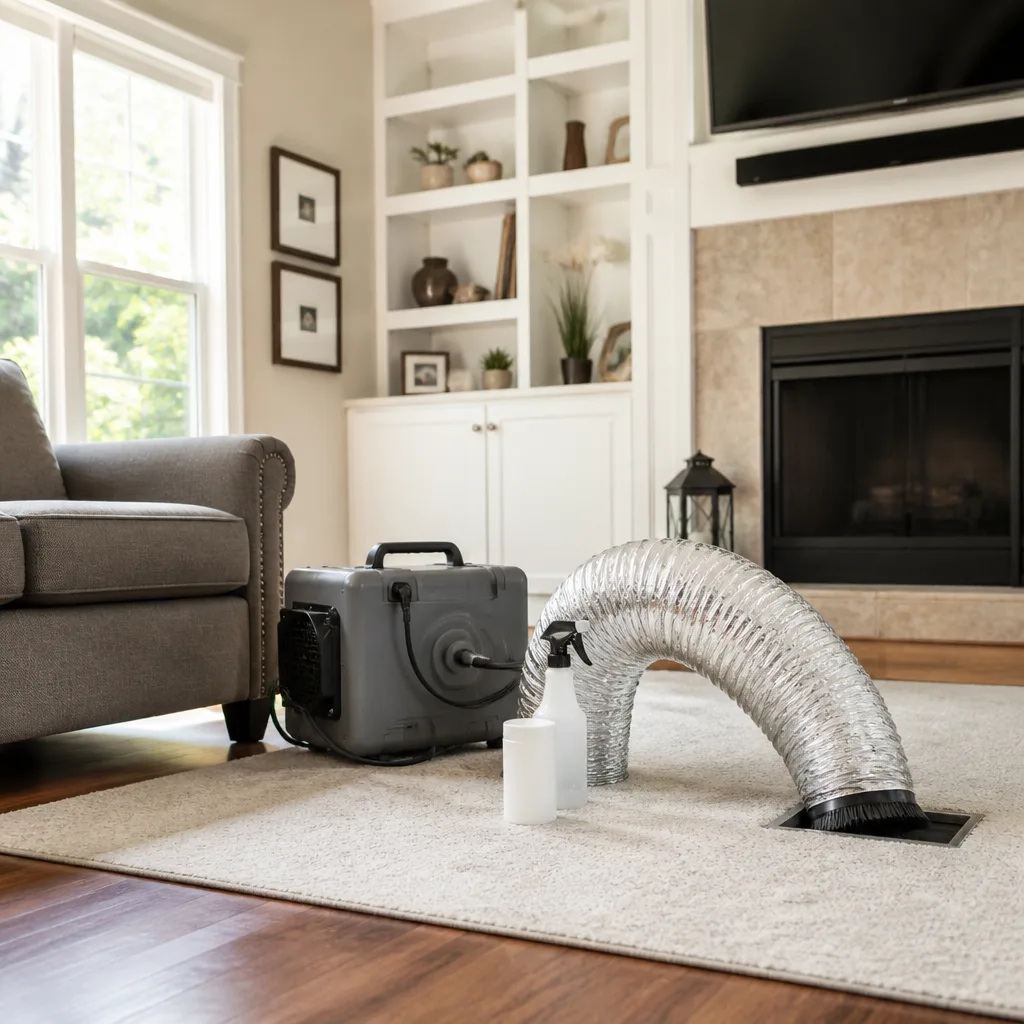 Sanitizing & deodorizing
Whole-system duct and dryer vent check with before-and-after photos - you see exactly what came out of your vents
That "$99 whole-house special" is a bait ad - the real number appears once they are in your hallway, or the "clean" is a shop-vac at the register. We photograph the inside of your ducts before and after instead.
Air Duct Cleaning Emergency Preparedness Guide for Norfolk Homes
Most homeowners treat duct cleaning as a maintenance item, something to get around to after the seasonal filter change. Storms rewrite that schedule. In a city where heavy rain, tidal flooding, and wind-driven roof damage are recurring facts of life, the duct system becomes part of the disaster response itself. Here’s the part that catches people off guard: the danger usually isn’t the storm. It’s what gets pushed through the ducts in the days after, when the HVAC runs before anyone has looked inside. This guide covers the first 72 hours, what to document, what to leave alone, and how to prepare in Norfolk before the next event so recovery moves faster.
Quick Answer
After flooding, a roof breach, or an extended power loss, don’t run your HVAC system until the ductwork has been inspected. Moisture, displaced insulation, and storm debris inside ducts move straight into living spaces when the blower kicks on. Document the condition first, get a professional assessment, then clean. Cleaning removes debris and contamination; mold remediation is a separate scope handled by remediators, and the two should never be confused.
Styles & brands we work with
- Whole-home duct cleaning
- Dryer vent cleaning
- Camera inspection
- Sanitizing & deodorizing
Table of Contents
- The 72-Hour Rule After a Storm
- What Storm Damage Actually Looks Like Inside Your Ducts
- How to Document Duct Condition for Insurance
- Post-Storm Duct Cleaning vs. Mold Remediation
- Extended Power Loss and Humidity
- Pre-Storm Preparedness for Norfolk Homes
- Why Equipment Matters After a Weather Event
- What to Do in the First 72 Hours: A Step-by-Step Plan
The 72-Hour Rule After a Storm
The 72-hour rule is simple: within three days of a flooding event or roof breach, you should know the condition of your duct system before you operate your HVAC. The instinct after a wet, humid storm is to crank the system to dry the house out. That instinct is backwards if water or debris has entered the ductwork.
Here’s why the window matters. Norfolk’s summers run hot and humid, and an unpowered house in July or September climbs in temperature fast. Wet insulation inside a duct chase, standing water in a low return, and damp debris all create conditions where biological growth can begin establishing within days, not weeks. The earlier the system is assessed and dried, the smaller the problem stays.
What “assessment” means in practice:
- Visual inspection of accessible supply and return runs, the air handler cabinet, and the plenum.
- Checking for moisture at joints, boots, and any low point where water could collect.
- Looking for displaced or saturated insulation inside the duct interior.
- Confirming the air handler and coil aren’t sitting in water.
- Photographing everything before anything is touched or cleaned.
The 72-hour mark isn’t a legal deadline. Think of it as the point past which small moisture problems get expensive. If your home took on water or lost part of its roof, treat the duct inspection as urgent as the drywall assessment, and don’t run the system as a dehumidifier. If you’re unsure whether your system is safe to operate, call (833) 519-7500. We answer 24/7, with fast dispatch from 7am to 7pm, Sunday through Friday.
What Storm Damage Actually Looks Like Inside Your Ducts
Water is only part of the story. What actually ends up inside ductwork after a serious weather event in Norfolk falls into a few categories, and each behaves differently.
Storm debris and airborne intrusion
Wind-driven rain and roof damage let in fine debris, grit, and particulate that settles on duct interior surfaces. If a section of roof or soffit came off, the return side of the system can pull outside air and everything in it straight into the ductwork.
Displaced or saturated insulation
Duct insulation that got wet loses its effectiveness and, worse, holds moisture against the duct surface. In older Norfolk homes with flexible duct runs in the attic or crawlspace, displaced insulation is common after high-wind events. Wet insulation needs to come out, not just dry in place.
Moisture intrusion at joints and boots
Floodwater and roof leaks find the weakest points: duct joints, floor boots, and the connections at the air handler. Once moisture enters a joint, debris collects there and airflow degrades. This is also the reason air duct cleaning after a storm starts with locating the intrusion, not with running a brush through the whole system.
Pest and organic matter
Openings created by storm damage give rodents and insects a way in. Nesting material inside ducts is a real finding after major weather events, and it needs removal, not agitation.
The redistribution problem
This is the piece most homeowners don’t consider. Whatever is sitting inside your ducts gets distributed through every room the moment the blower runs. Cleaning after a storm isn’t cosmetic. It’s about not moving contamination into the air your household breathes.
How to Document Duct Condition for Insurance
Insurance claims go smoother when the damage is documented before anyone cleans, repairs, or hauls anything away. Your duct system is no exception. The documentation you gather in the first days directly affects how quickly and completely a claim moves.
Work through this in order:
- Photograph before you touch. Wide shots of each room showing water lines, then close-ups of registers, returns, and any visible duct openings. Include the air handler and any duct runs visible in the attic or crawlspace.
- Note water line heights. Measure and record where floodwater reached in each space. Height matters to adjusters.
- Don’t clean or repair first. Cleaning a duct system before an adjuster has seen it can complicate your claim, because the evidence of the contamination is gone.
- Get a written condition assessment. A professional inspection that documents moisture, debris, displaced insulation, and damage gives your claim a paper trail. Photographs of the interior of ducts, taken through inspection openings, are strong evidence.
- Keep the assessment separate from the cleaning invoice. Insurers want to see condition documented independently before remediation pricing.
If you’re filing a claim and need duct condition documented in Norfolk, include the assessment in your initial claim packet rather than adding it later. Clear, dated, photographed evidence from the start is what moves a claim. Call (833) 519-7500 to schedule an assessment; estimates are free.
Post-Storm Duct Cleaning vs. Mold Remediation
These are two different services, and mixing them up is one of the more costly mistakes after a storm. Duct cleaning removes settled debris, dust, and contamination from inside the duct system. Mold remediation addresses active biological growth, and in most jurisdictions it’s a separate licensed scope with its own protocols.
When duct cleaning is enough:
- Moisture intrusion was brief and the system has been dried.
- The contamination is debris, dust, grit, or insulation material.
- No visible or confirmed biological growth inside the ductwork.
When remediation comes first:
- Visible growth inside ducts, on the air handler, or on the coil.
- Water sat in the system for an extended period, especially in warm weather.
- A musty, persistent odor that doesn’t clear after cleaning and drying.
- A remediation professional has confirmed contamination that requires treatment, not just removal.
We handle air duct cleaning and duct repair. We do not perform mold remediation, and we’ll tell you plainly when a situation calls for a remediation specialist before any cleaning begins. That honesty matters more after a storm, when the pressure to “just get it done” is high.
Extended Power Loss and Humidity
A multi-day power outage in Norfolk in July or August is its own kind of duct event. With the HVAC off, indoor humidity climbs quickly, especially in a closed house after rain. Ducts in an unconditioned attic or crawlspace get humid on the inside. When the system finally comes back on, it can push damp air through the house before it’s fully dried out.
What to do after a long outage:
- Check for moisture before restarting. Look at accessible duct runs, the air handler, and any low points for condensation or standing water.
- Dry the space first. Get air moving with fans and open windows once the weather allows, and let the house dry before running the HVAC hard.
- Run the system gently. Once the ducts are confirmed dry, bring the system on. Watch for musty odors in the first hours. A persistent smell is worth investigating.
- Change the filter. After a storm or outage, replace the filter before restarting normal operation.
Pre-Storm Preparedness for Norfolk Homes
The best time to handle post-storm recovery is before the storm. A little preparation makes claims faster, reduces the chance of contamination spreading, and tells you whether your duct system has weak points that should be fixed now.
Get a pre-storm inspection and keep the report
A clean, documented baseline of your duct system’s condition before storm season gives you something to compare against afterward. When an adjuster asks what changed, you have an answer. That speeds claims and reduces disputes.
Know your system’s layout
Note where the air handler is, where the return runs, and where duct runs pass through unconditioned space like the attic or crawlspace. That’s the map you’ll use in the first hours after an event.
Add a moisture checklist to your storm kit
Alongside batteries and water, keep a simple sheet listing the steps to check registers and the air handler for moisture, and where to shut the HVAC system off. It’s an easy thing to have ready when the power is out and you’re working by flashlight.
Fix known duct leaks and damage before the storm
Leaky joints and damaged sections let in water and debris far more easily than a sealed system. Duct Cleaning Norfolk offers duct repair as a standalone service precisely because cleaning alone doesn’t fix broken ductwork.
Why Equipment Matters After a Weather Event
Post-storm duct cleaning isn’t the same job as routine maintenance. There’s more material inside, it’s wetter, and it includes debris and insulation that a shop vacuum can’t handle. In our experience, the tools are the difference between capturing contamination and redistributing it through the house.
Here’s what our equipment actually does inside your ducts:
- Rotobrush rotary brush system agitates material off duct interior surfaces while extraction runs simultaneously, so loosened debris is captured in the same pass.
- Nikro HEPA-filtered vacuum equipment traps fine particulate so it doesn’t escape back into your home during the work.
- Abatement Technologies containment and negative-air equipment means your home stays under controlled pressure while the work happens, so contaminants move toward the capture point, not into living spaces.
- Aprilaire and Honeywell familiarity lets us recommend filtration upgrades when a storm has exposed a weakness in your system’s filtration.
Generalist HVAC companies often use shop-vacs or light equipment that can’t handle the volume of debris a storm leaves behind. That’s the gap this work often exposes. For a look at the broader picture of what professional work involves, see our Norfolk service overview.
What to Do in the First 72 Hours: A Step-by-Step Plan
If a storm has flooded your home or opened the roof, here’s the sequence that protects both your health and your insurance claim.
- Shut off the HVAC system. At the breaker or thermostat, turn the system off. Don’t run it to dry the house out.
- Document everything. Photograph water lines, registers, returns, and duct openings before any cleanup.
- Stop the water. Address ongoing leaks and get standing water out of the house.
- Dry the house. Fans, open windows when weather allows, and dehumidification if you have it.
- Do not clean the ducts yourself. Agitating a contaminated system by hand spreads the problem.
- Schedule a professional duct assessment. An inspection with photographs gives you the documentation your claim needs.
- Follow the assessment’s recommendation. If it’s cleaning, clean. If it’s remediation first, call a remediator. If duct repair is needed, repair before running the system.
And if a dryer vent was exposed to storm damage or flooding, add that to the list. Dryer vents are a leading cause of residential fires, and a storm-damaged or debris-clogged vent deserves a dedicated look; our dryer vent cleaning service handles that risk separately from duct cleaning.
Common Mistakes to Avoid
- Running the HVAC to dry the house out. This is the single most common post-storm mistake. It pushes moisture, debris, and contamination into every room. Get the system inspected and dried first.
- Cleaning before documenting. Cleaning a damaged duct system before an adjuster sees it can complicate or shrink your claim. Photograph and assess first.
- Treating remediation and cleaning as the same thing. If there’s active growth, cleaning isn’t the answer; remediation is. Confirm which situation you’re in before anyone starts work.
- Hiring whoever shows up first. Storm-chasing contractors move into Norfolk after every major event. Ask about equipment, get a written estimate per job, and be wary of anyone quoting an unusually low flat rate before seeing the system.
- Skipping the dryer vent. Storm debris and flooding can damage the dryer vent, and that’s a fire risk. Check it after any storm event.
- Ignoring a musty smell after the system restarts. A persistent odor after cleaning and drying is worth a second look. It may indicate moisture that never fully left the system.
- Assuming the ducts are fine because the visible registers look clean. Contamination and moisture hide inside the runs, plenums, and air handler, often in spaces you never see.
See the difference
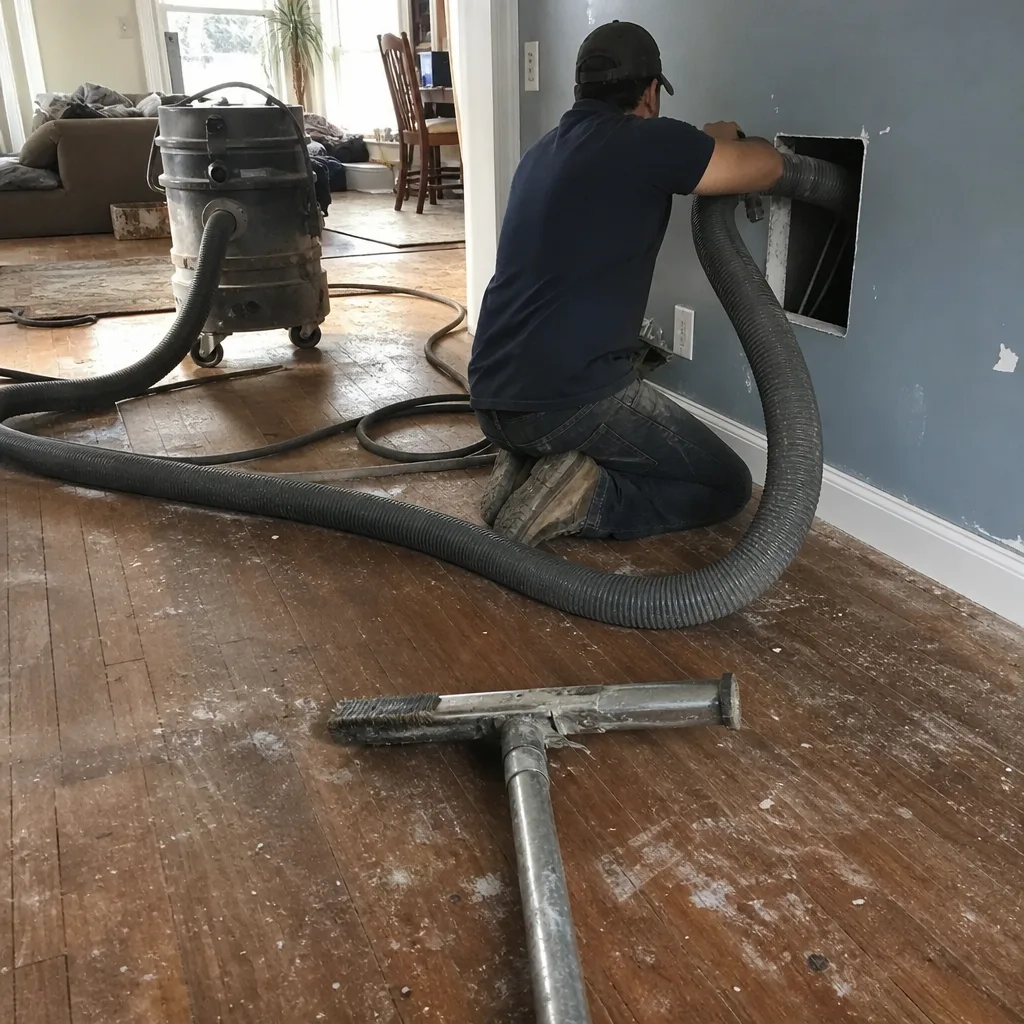 Before
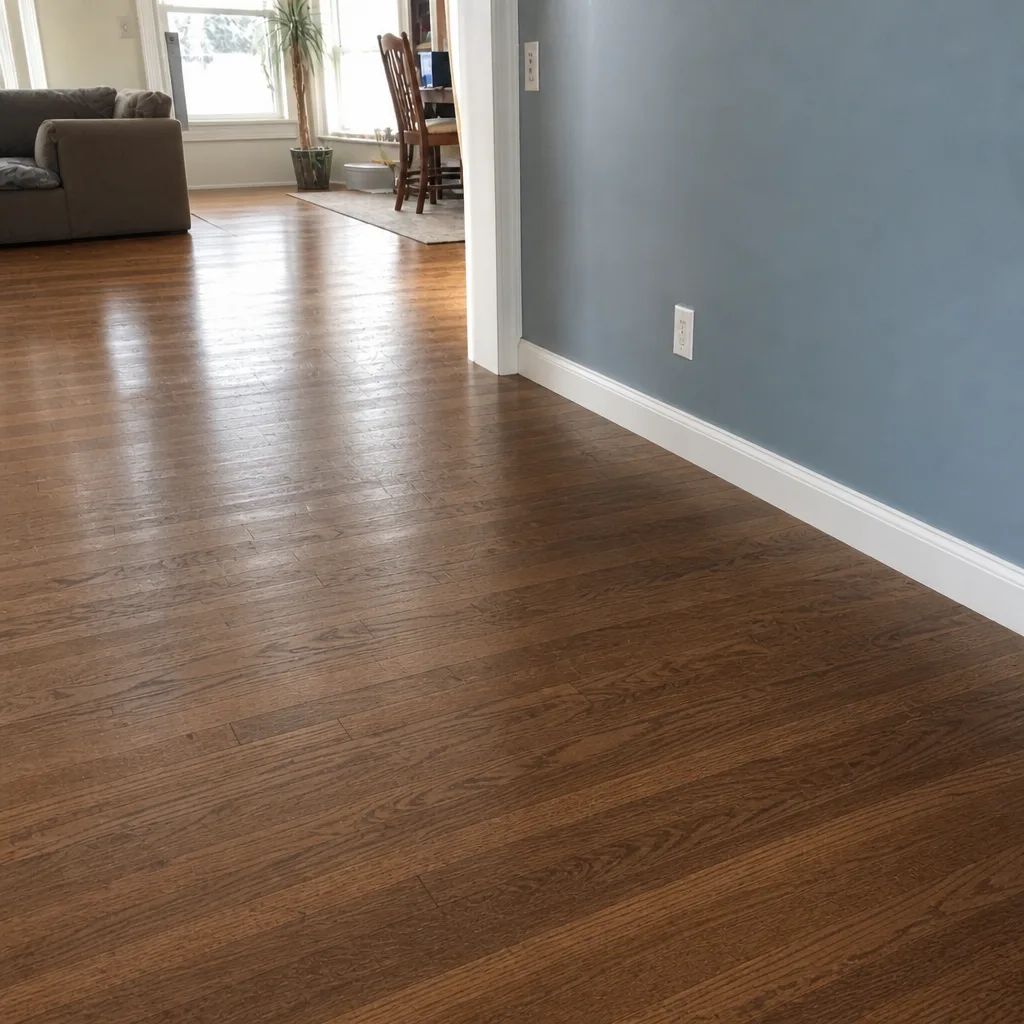 After
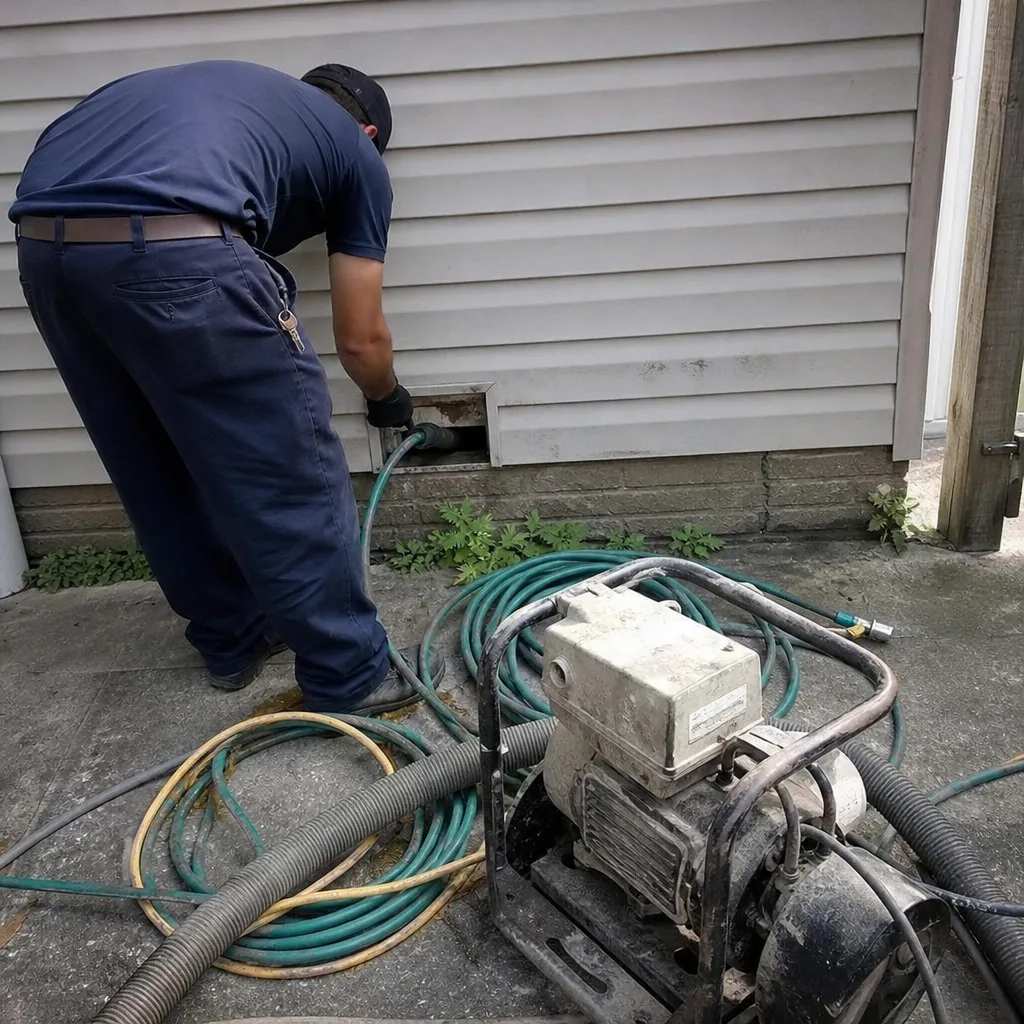 Before
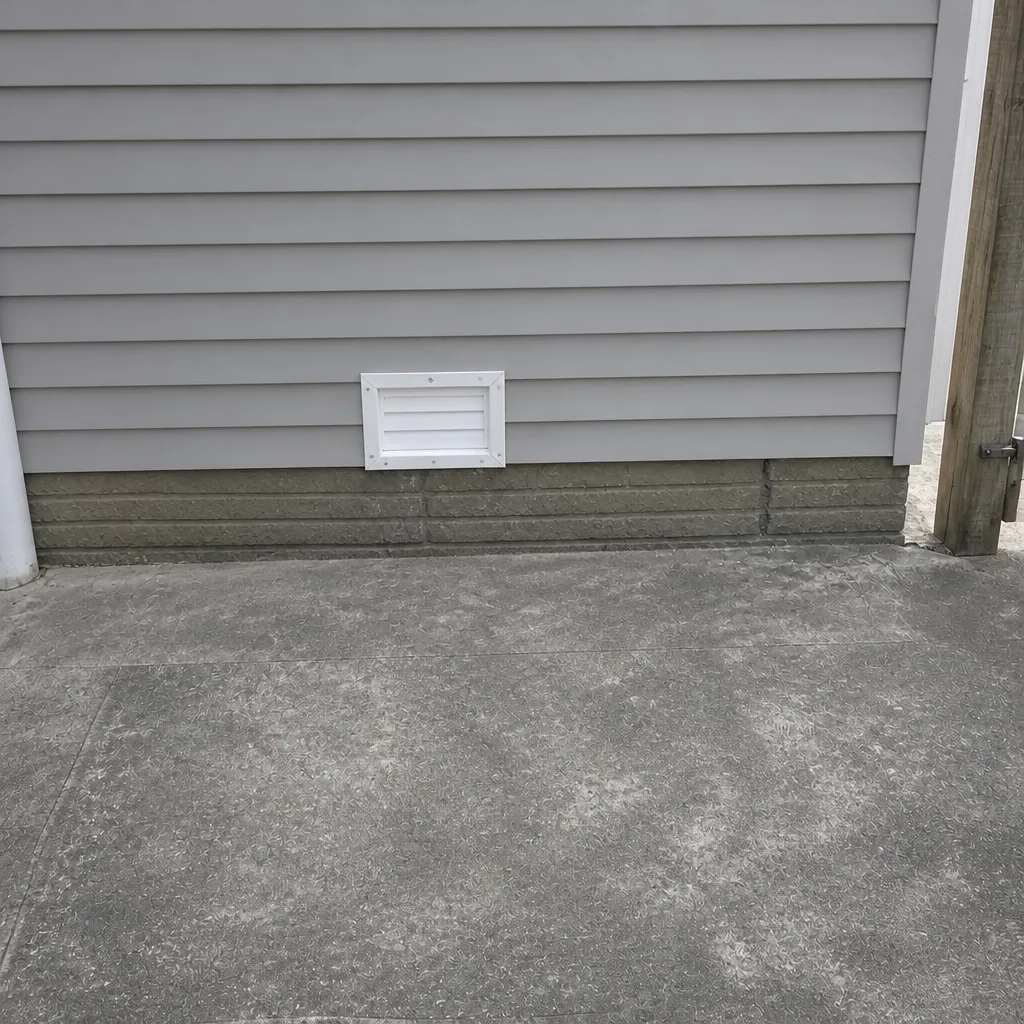 After
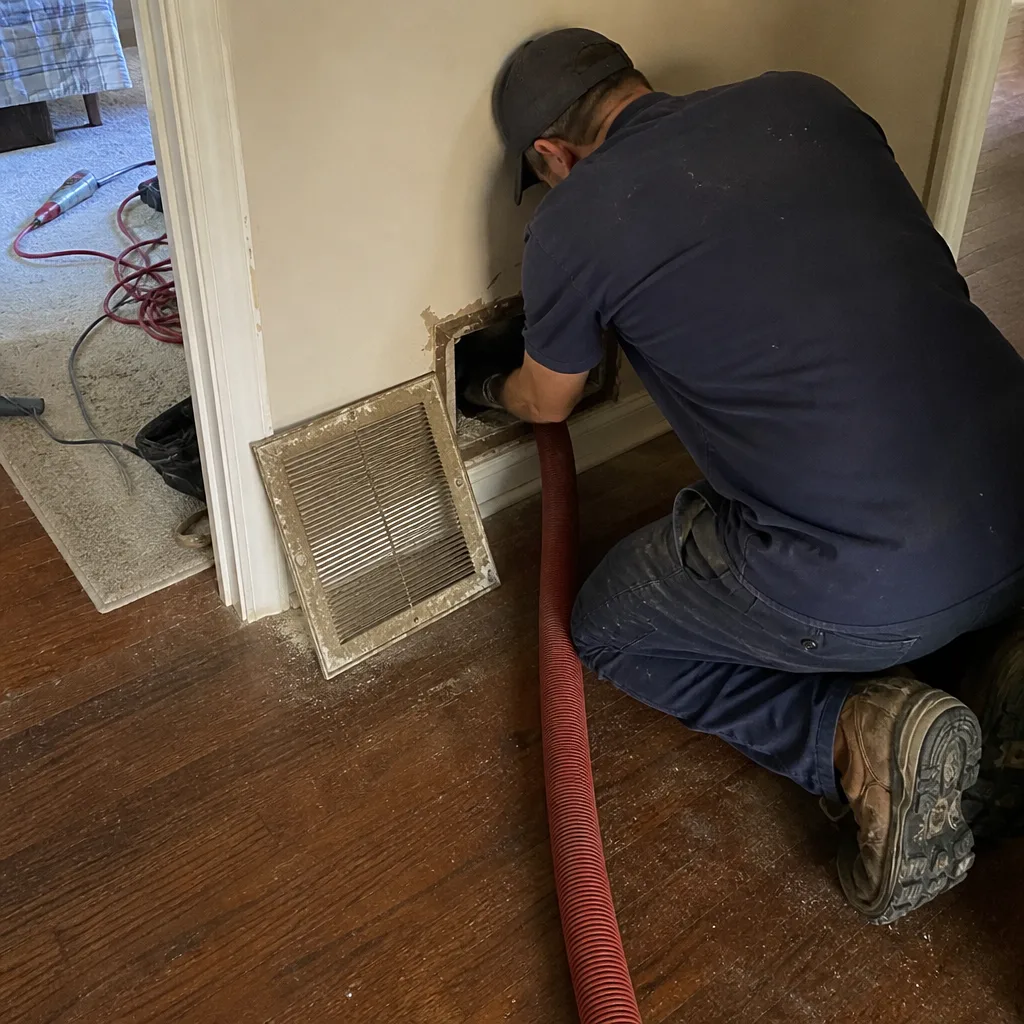 Before
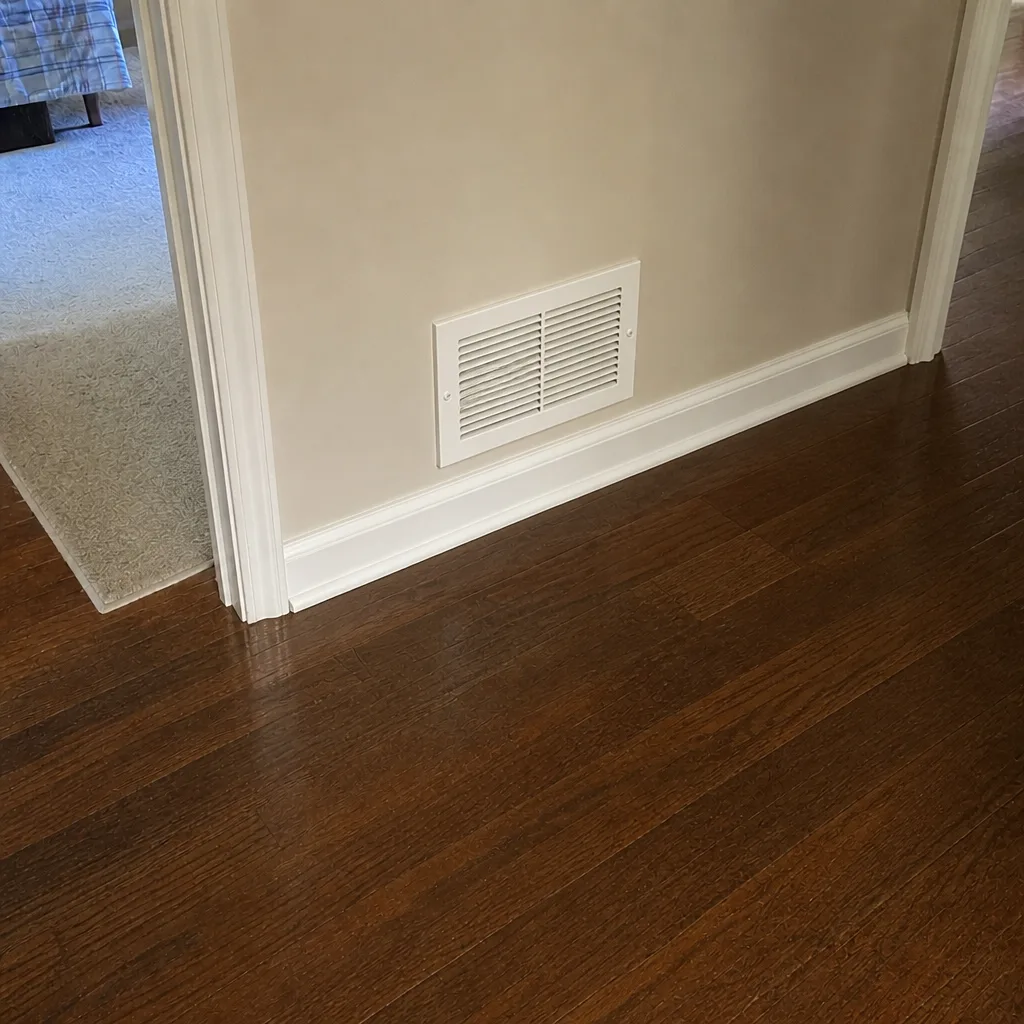 After
When to Call a Professional
Call us when water reached any part of your HVAC system or ductwork, when roof damage let debris into the house, or when a musty smell lingers after the system restarts. Call when an insurance adjuster needs documented duct condition, or when you notice a damaged, disconnected, or crushed duct run that cleaning alone won’t fix. Call when your dryer vent was exposed to storm debris or flooding. If you can’t confirm the system is safe to operate, call before you turn it back on. Duct Cleaning Norfolk offers free estimates in Norfolk; call (833) 519-7500. We answer 24/7, with fast dispatch from 7am to 7pm, Sunday through Friday.
Frequently Asked Questions
No, not until the duct system has been inspected. Running the blower pulls moisture, debris, and contamination through every duct run and into your living spaces. Get the system assessed and dried first, then restart it.
Within 72 hours is the working target, especially in summer when humidity and heat help moisture problems take hold. If water entered the ducts or roof damage let debris in, call (833) 519-7500 for an assessment. Estimates are free.
Coverage depends on your policy and the cause of damage, and we can’t make that call for you. What we can do is document duct condition with photographs and a written assessment before any work begins, which is what insurers need to process a claim.
No. Duct cleaning removes debris, dust, and contamination from inside the duct system. Mold remediation addresses active biological growth and is a separate licensed scope. If growth is present, remediation comes first, then cleaning.
Look for before-and-after photographs of your own ducts, a written scope of work, and confirmation of the equipment used. We use Rotobrush rotary brush systems with Nikro HEPA extraction and Abatement Technologies containment, and we provide before-and-after photos of your ducts.
Have it inspected, and don’t use the dryer until it’s clear. Storm debris, flooding, and damage can restrict a dryer vent, and dryer vents are a leading cause of residential fires. Dryer vent cleaning is a dedicated service here, not an add-on.
The Bottom Line
After a Norfolk storm, the order of operations matters more than anything else. Shut the system off, document the damage, dry the house, and get an assessment before running anything or cleaning anything. That sequence protects your home from contamination spreading and protects your insurance claim at the same time. A little preparedness before storm season, a documented baseline, and a clear checklist afterward makes the whole recovery faster. When you’re ready for an assessment or a cleaning, one team handles cleaning, repair, and dryer vent safety, with a flat price per job agreed before work starts and before-and-after photos of your ducts. Call (833) 519-7500. We answer 24/7. Fast dispatch from 7am to 7pm, Sunday through Friday.
Written by the team at Duct Cleaning Norfolk.