
Last updated November 15, 2026
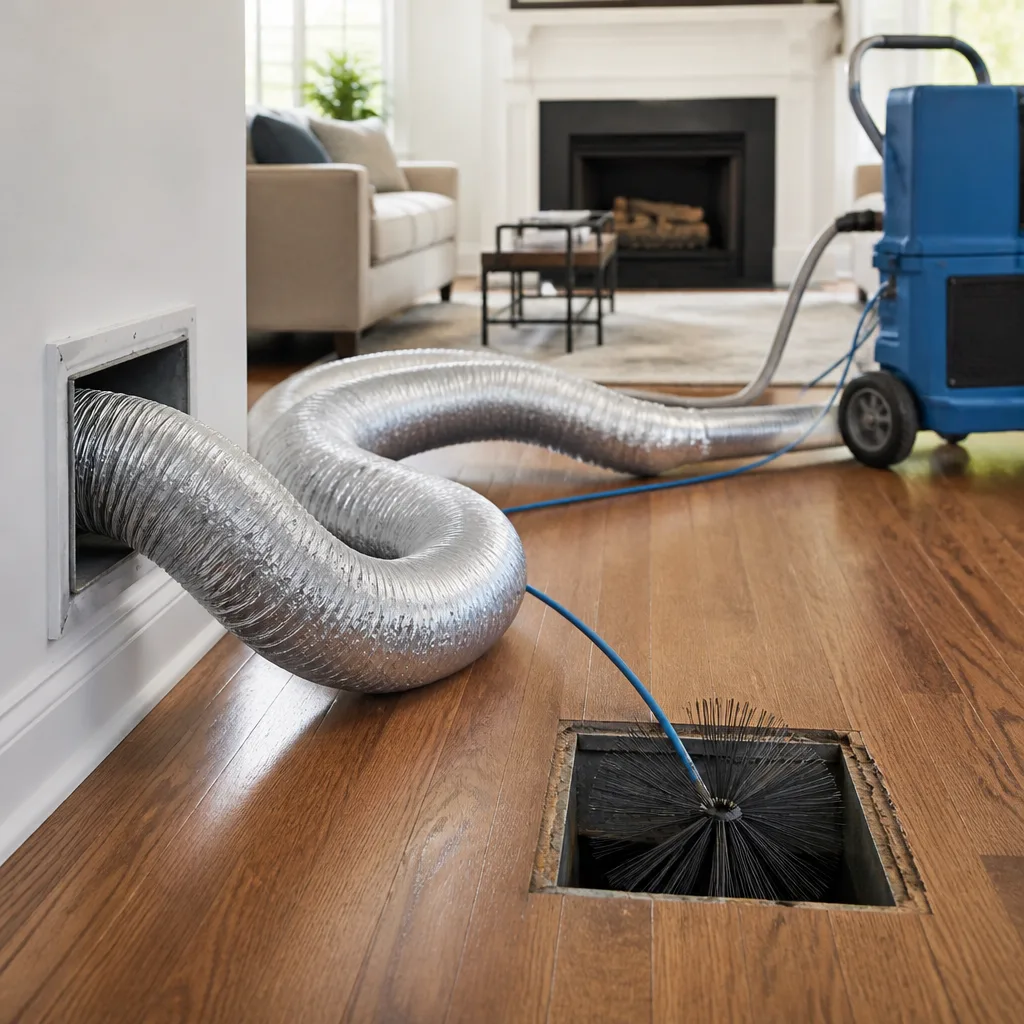 Whole-home duct cleaning
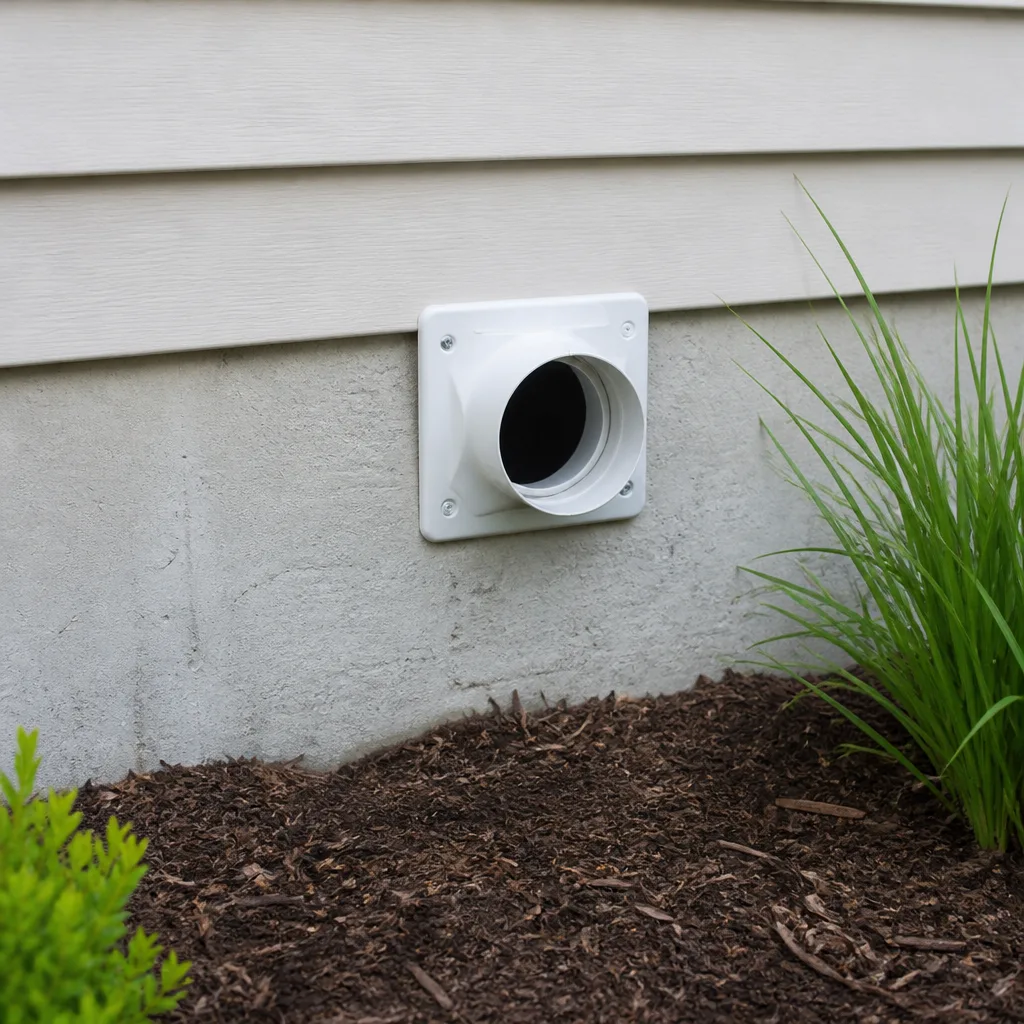 Dryer vent cleaning
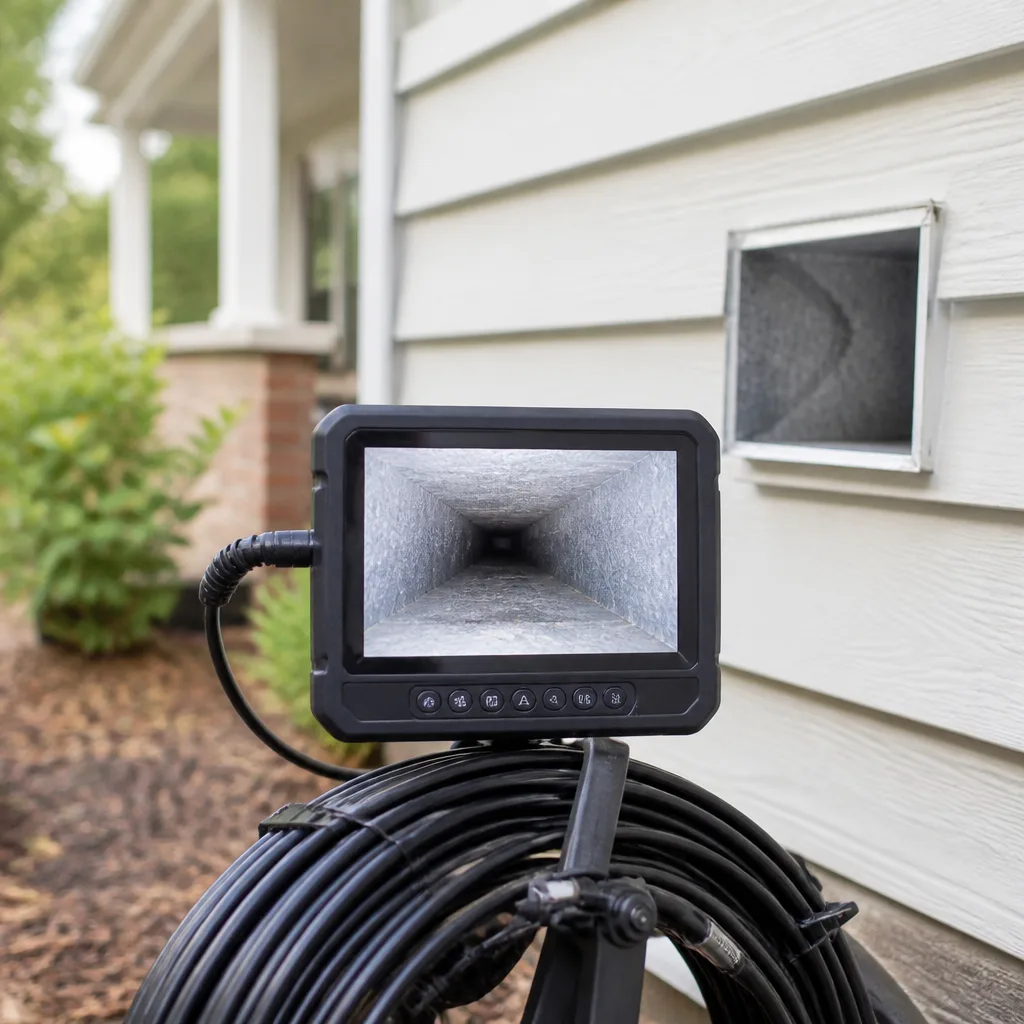 Camera inspection
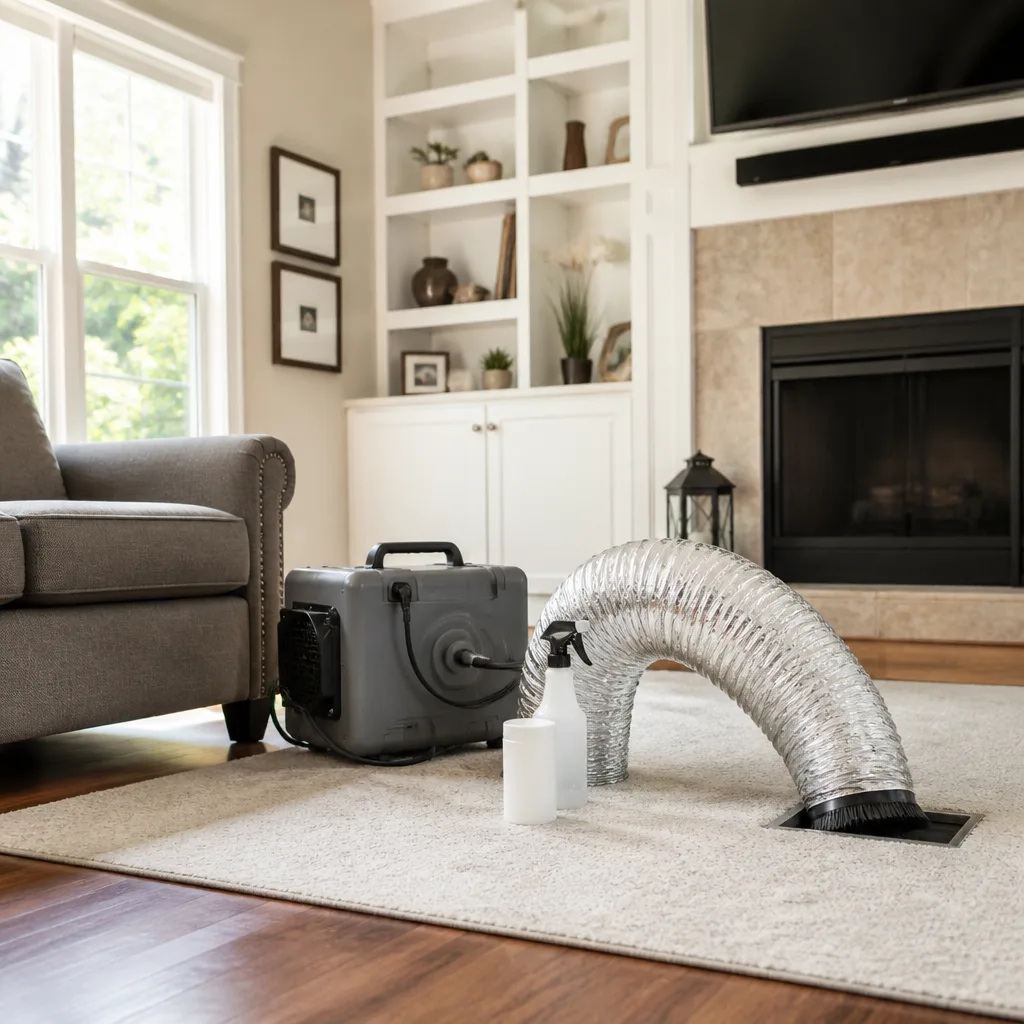 Sanitizing & deodorizing
Whole-system duct and dryer vent check with before-and-after photos - you see exactly what came out of your vents
That "$99 whole-house special" is a bait ad - the real number appears once they are in your hallway, or the "clean" is a shop-vac at the register. We photograph the inside of your ducts before and after instead.
The Complete Guide to Air Duct Cleaning in Norfolk
Most duct cleaning guides are written for a generic American house. Norfolk homes aren’t generic. They sit within miles of the Chesapeake Bay, which means your ductwork spends much of the year in air that holds more moisture than a house in Denver or Phoenix ever sees. Many Norfolk houses were built before flex duct became the default, so the ducts running through your walls and crawlspace are likely sheet metal or old fiberboard, not the foil-lined flex you’d find in a newer subdivision. Both facts change how a cleaning should be done. This guide walks through the full process, the equipment that actually makes it work, and the local variables that a one-size-fits-all crew will ignore. We’ll cover materials, methods, inspection, standards, and cost so you know exactly what you’re paying for before anyone touches your system.
Quick Answer
Air duct cleaning in Norfolk involves mechanically agitating the inside of every duct run while a HEPA-filtered vacuum holds the system under negative pressure, so loosened debris is captured instead of blown into your rooms. The job should start with a camera inspection, use rotary brush equipment matched to your duct material, and finish with a before-and-after record of what was removed. In Norfolk’s humid climate and older housing stock, skipping the inspection or using a shop-vac setup usually means the work looks done but isn’t.
Styles & brands we work with
- Whole-home duct cleaning
- Dryer vent cleaning
- Camera inspection
- Sanitizing & deodorizing
Table of Contents
- Why Norfolk Ducts Get Dirty Differently
- Duct Material Changes the Whole Protocol
- Pre-Inspection: Why the Camera Comes Out First
- Contact Vacuum vs. Negative Air: Which Method Fits Your Ducts
- What Our Equipment Does Inside Your Ducts
- NADCA Standards vs. What Most Vendors Deliver
- How Much Does Air Duct Cleaning Cost in Norfolk?
- When Cleaning Isn’t Enough: Duct Repair and Dryer Vents
Why Norfolk Ducts Get Dirty Differently
Humidity is the variable most cleaning companies don’t account for. Norfolk’s air is heavy with moisture for much of the year, and that moisture doesn’t stay outside. It enters through return-air grilles, leaks around poorly sealed duct joints, and condenses on cool metal surfaces inside the system during the shoulder seasons when the air conditioner runs intermittently. Every time that happens, you’re creating a damp environment inside your ductwork. Dust and organic particles settle onto those surfaces, and moisture is what allows microbial growth to take hold. In a dry climate, dust mostly stays dust. In Norfolk, it can become something else entirely.
Older Norfolk housing stock amplifies the problem. Many homes in neighborhoods like Ghent, Larchmont, and Colonial Place were built decades before modern duct sealing practices, which means the systems are more likely to have loose joints, unsealed seams in unconditioned space, and duct runs that pull air from a crawlspace or attic. That’s not automatically a defect; it’s just how those houses were assembled. But it does mean a cleaning crew that doesn’t check for disconnected runs before turning on vacuum equipment could pull crawlspace air straight into the living space. We’ve seen return systems drawing from a vented crawlspace that nobody had looked at in years. That’s a repair issue, not a cleaning issue, and it has to be found before the cleaning starts.
The practical takeaway: Norfolk duct work needs a pre-inspection that includes a look at duct connections and unconditioned-space runs, not just a peek down a supply register. If a company quotes you without ever opening a return or checking a joint, you’ve learned something about how the rest of the job will go.
Duct Material Changes the Whole Protocol
You can’t clean sheet metal, flex duct, and fiberboard duct the same way. Each material tolerates different levels of mechanical agitation, and using the wrong tool on the wrong material is one of the most common ways a cleaning actually damages a system. This is where a lot of generic advice falls apart, and it’s why we walk through the system material by material before any equipment comes off the truck.
- Sheet metal duct is the most durable. Rigid galvanized runs handle rotary brush agitation well, and this is where contact-vacuum methods and aggressive mechanical cleaning pay off. Most pre-1980s Norfolk homes have at least some sheet metal trunk lines, even if branch runs were retrofitted later.
- Flex duct is corrugated and foil- or wire-reinforced. It’s fragile. Rotary brushes at the wrong speed or pressure can tear the inner liner, which then becomes a collection point for debris. Flex runs need lower-agitation methods, careful brush selection, and a vacuum that doesn’t collapse the duct. Many Norfolk attic retrofits are almost entirely flex, which means the crew needs to know what they’re working with before they start.
- Fiberboard duct is a compressed board product used in older homes and some commercial spaces. It’s porous, so moisture is a serious concern, and wet fiberboard or fiberboard with compromised integrity usually can’t be cleaned back to a sanitary condition. Sometimes the honest answer is that a specific run needs replacement, not cleaning. We’d rather tell you that than clean a surface that can’t be made clean.
If a crew shows up with a single brush head and no plan for the different materials in your house, that’s a red flag. A proper air duct cleaning job starts with mapping what’s actually there.
Pre-Inspection: Why the Camera Comes Out First
Pre-inspection is the step that separates a real cleaning from a cosmetic one, and it should happen before a single tool goes into a duct. A camera inspection shows you the actual condition of the interior surfaces, the integrity of the duct joints, and the presence of conditions that cleaning alone won’t fix. It also prevents a nasty surprise: a crew that starts cleaning before inspecting might push debris past a disconnected joint, contaminate an otherwise clean section, or tear a flex liner they didn’t know was already compromised.
Here’s what a proper pre-inspection includes:
- System mapping. Identify every supply and return run, note the material of each, and record access points. Older Norfolk homes often have runs that aren’t on any plan the homeowner has.
- Camera inspection of key runs. Look inside the trunk line and representative branch runs. Document what’s there before cleaning begins.
- Joint and connection check. Look for loose joints, disconnected runs, and duct pulling from registers, especially in crawlspaces and attics.
- Moisture assessment. Note any signs of condensation, standing moisture, or damp fiberboard. In Norfolk’s climate this is not optional.
- Written findings. You should see the pre-inspection results before the job, not after. If there’s a repair needed, you decide whether to proceed with cleaning or address the repair first.
The camera inspection also protects the crew. A homeowner who’s seen the inside of their own return duct understands the scope of the job and isn’t surprised by what gets extracted. Transparency about findings up front is how a cleaning stays honest. If you’re shopping around, ask any company whether they inspect before they clean. The answer tells you most of what you need to know.
Contact Vacuum vs. Negative Air: Which Method Fits Your Ducts
There are two broad approaches to capturing what comes out of your ducts, and they are not equivalent. Understanding the difference is the single most useful thing a Norfolk homeowner can learn before hiring anyone.
Contact vacuuming means the vacuum head physically touches and moves along the interior surface of the duct. It’s useful for localized work, register boxes, and areas a brush can’t reach cleanly. But on its own, it doesn’t put the whole system under negative pressure. If a crew only uses contact vacuuming, loosened debris can migrate to sections they haven’t cleaned yet, or escape through gaps into the surrounding space. On tight, older sheet metal systems, contact vacuuming is a tool within the job, not the whole job.
Negative-air (negative pressure) cleaning means an industrial HEPA vacuum unit is connected to the system and pulls the entire duct network into negative pressure while the interior is agitated. Because air is being drawn toward the vacuum, loosened debris travels toward the capture point instead of back into the rooms. This is the method that’s appropriate for most occupied homes, and it’s the standard that professional remediation work is built around.
For older Norfolk duct systems, negative air is almost always the right foundation, with rotary brush agitation and contact methods used within it. A crew that shows up with a shop vac and a long hose isn’t doing negative-air cleaning, no matter what the invoice says. If the vacuum unit isn’t paired with containment at the registers and a sealed connection to the trunk, the debris has nowhere to go but into your home. Ask any company which method they use and how it’s connected to the system. A crew using the right equipment can explain it in plain terms because they’ve done it hundreds of times.
What Our Equipment Does Inside Your Ducts
Here’s what our equipment actually does inside your ducts, and why the brand names matter more than the marketing language. Generic duct cleaning often means a portable shop vac and a flexible hose. That setup can’t generate enough airflow to hold a whole system under negative pressure, and it doesn’t provide HEPA filtration on the exhaust, which means fine particles get pulled through the vacuum and blown back into the room.
We use professional contractor-grade systems for this work:
- Rotobrush rotary brush system. A motorized brush assembly that agitates the duct interior mechanically while extraction runs simultaneously. The key is that the brush and the vacuum work together. Agitation without extraction just moves dirt around; extraction without agitation leaves the surface film in place.
- Nikro HEPA-filtered vacuum equipment. HEPA filtration on the vacuum exhaust means the air pulled through the machine is filtered before it re-enters your home. On a system that’s connected to the ductwork, this prevents cross-contamination between rooms and keeps fine particulate out of the living space.
- Abatement Technologies containment and negative-air equipment. This is the same class of equipment used in professional remediation work. It’s what allows a crew to establish real containment at open registers and hold negative pressure across the system rather than just at the vacuum connection point.
We’re also familiar with Aprilaire and Honeywell air quality products, which matters when the right answer for your home isn’t just cleaning. If your filtration is undersized or your return-air setup is pulling from an unconditioned space, a better filter or a properly sized filtration unit may be part of the solution. Cleaning and filtration are different tools, and a crew that only sells cleaning will only sell you cleaning. Duct Cleaning Norfolk handles cleaning, repair, and dryer vent work as three connected services, so the recommendation you get is based on what your system needs, not what happens to be on the invoice.
NADCA Standards vs. What Most Vendors Deliver
The National Air Duct Cleaners Association (NADCA) publishes the ACR standard, which describes what a professional duct cleaning should actually involve. That standard is the reference point any informed homeowner should use when comparing quotes. What most vendors deliver on a typical Norfolk residential job is a fraction of what the standard calls for.
The core requirements, in plain terms:
- The entire system is addressed, not just the visible runs. Supply, return, and the air handler are all part of the system. Cleaning only the supply runs while leaving the return pathway untouched is a partial job.
- Source removal, not chemical masking. The standard is built around physically removing contaminants. Fragrance sprays, fogging, and “sanitizing mists” don’t substitute for removal and can introduce a new irritant into the system.
- Negative pressure and containment. The system is put under negative pressure during cleaning and opened registers are contained, so debris is captured rather than redistributed into the occupied space.
- Documentation. The work should be documented with before-and-after evidence, including the condition of the system pre-cleaning and what was removed.
- The HVAC system is protected. Components that could be damaged by the process, including the air handler components and any sensitive controls, are protected before work begins.
Where local vendors fall short is predictable: no pre-inspection, no containment at registers, no documentation, and a price that depends on how many “vents” they count before anyone has looked inside. The per-vent pricing model is one of the clearest signals that a company isn’t following the standard. A system has a trunk line, branch runs, returns, and an air handler; a count of visible registers doesn’t describe the job. If a quote is built on per-vent pricing, the standard isn’t the frame of reference.
We’d rather show you what our equipment does and what it found than explain why it meets a standard. That’s the tangible version of the same thing. If you want to see how this plays out for a specific Norfolk system, start with a conversation. Call (833) 519-7500. We answer 24/7. Fast dispatch from 7am to 7pm, Sunday through Friday.
How Much Does Air Duct Cleaning Cost in Norfolk?
Air duct cleaning in Norfolk typically costs $450 to $1,100 for a whole-home residential system, depending on the number of runs, the material mix, and whether the job includes the air handler and any repair work. The written estimate sets the final price, and estimates are free. Here’s the honest breakdown.
| Scope | Typical Estimated Range |
|---|---|
| Whole-home supply and return ducts, standard single system | $450 – $750 |
| Whole system including air handler and containment | $650 – $1,100 |
| Larger or multi-zone systems, or heavy contamination | Quoted after inspection |
| Duct repair (sealing, reconnecting runs, re-insulating) | Quoted per job after inspection |
| Dryer vent cleaning | Quoted per job |
Those ranges aren’t a coupon figure. They’re what a whole-system cleaning costs when the job is done to the standard described above: pre-inspection, the entire system under negative pressure, containment at every open register, matched tools for each duct material, before-and-after documentation, and one flat price per system agreed before work starts. Repair and dryer vent work are quoted per job by the written estimate, and nothing is billed at a per-vent rate.
The reason some quotes come in far lower is that they’re not for the same job. A $99 “whole house special” is usually a truck-mounted hose attached to one register, no containment, no pre-inspection, and a per-vent charge if you want any part of the system actually addressed. That price isn’t lower because the work costs less. It’s lower because less of the work is being done. We tell Norfolk homeowners to compare on these four points before comparing on price: whether the crew inspects before cleaning, whether they use HEPA filtration and negative pressure, whether there’s containment at the registers, and whether you see photos of before-and-after. If you want an apples-to-apples number for your house, call (833) 519-7500 and we’ll give you a written estimate for your actual system.
When Cleaning Isn’t Enough: Duct Repair and Dryer Vents
Cleaning is one part of the job. Two other parts often matter as much or more, and most duct cleaning companies don’t offer them.
Air Duct Repair
Duct cleaning doesn’t fix leaking joints, disconnected runs, collapsed flex sections, or gaps in crawlspace or attic runs. In Norfolk’s older housing stock, these problems are common, and they have real consequences: air you’ve paid to heat or cool escapes into unconditioned space, and in a crawlspace configuration, the return can pull outdoor and crawlspace air into your living space. Cleaning a system with these issues is partial work. We offer duct repair as a standalone service because we’ve seen how often it’s the actual answer. We don’t just clean what’s there; we fix what’s broken. That means you don’t have to hire a second contractor and hope the two of them coordinate.
Dryer Vent Cleaning
Dryer vent cleaning is treated as an afterthought by most duct cleaners, and it shouldn’t be. A clogged dryer vent is a documented fire risk, and lint accumulation inside a vent run is the mechanism. It’s also a performance issue: a dryer with a restricted vent takes longer to dry, runs hotter, and adds to utility costs. We handle dryer vent cleaning as a dedicated service, with a proper vent brush and extraction, and we check the termination outside to make sure it’s not blocked. If you can’t remember the last time the vent was cleaned, that’s a good reason to have it checked at the same time as the ducts. One call, one crew, three services handled by a team that does this work every day.
If you want to see what a whole-system approach looks like in your Norfolk home, our main Duct Cleaning Norfolk page outlines how the three services fit together, and the dryer vent cleaning service page covers what the vent inspection includes.
Common Mistakes to Avoid
- Hiring on price alone. A per-vent special is priced to cover the pitch, not the cleaning. If the quote doesn’t include the whole system under negative pressure with containment, the price isn’t a discount, it’s a different service. Ask what’s actually included before you compare numbers.
- Letting anyone clean before inspection. In older Norfolk homes, the camera inspection is the step that prevents damage to flex liners and stops a crew from pushing debris past a disconnected joint. No inspection, no cleaning.
- Assuming “we clean vents” means “we clean the system.” The registers are visible; the trunk line, return pathways, and air handler usually aren’t. A crew that only addresses visible registers is leaving most of the system untouched, and the debris stays where it was.
- Using shop-vac equipment on an old system. Low-flow vacuums without HEPA filtration can blow fine particles into the living space. If the vacuum doesn’t look like industrial equipment, ask what’s used to capture what comes out.
- Ignoring the dryer vent. It’s the single part of this family of work where the stakes are highest, and it’s the part most often skipped. Have it checked as part of the job.
- Believing a cleaning replaces a repair. If joints are disconnected or a run has collapsed, cleaning the system first just moves debris into the wrong places. Have the system inspected for integrity before it’s cleaned.
- Not asking for evidence. Before-and-after photos of your own ducts, taken by the crew, are the simplest confirmation the work was done. If a company can’t produce them, that’s your answer.
See the difference
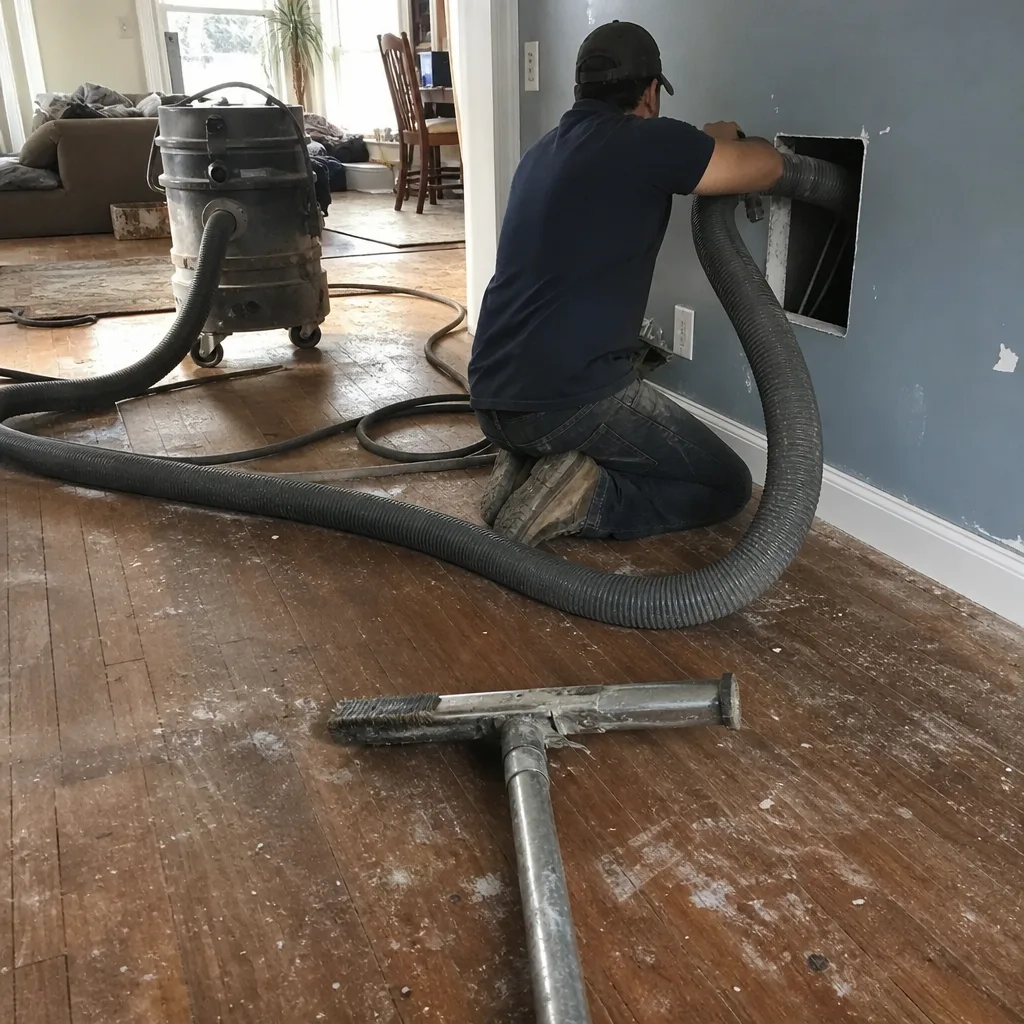 Before
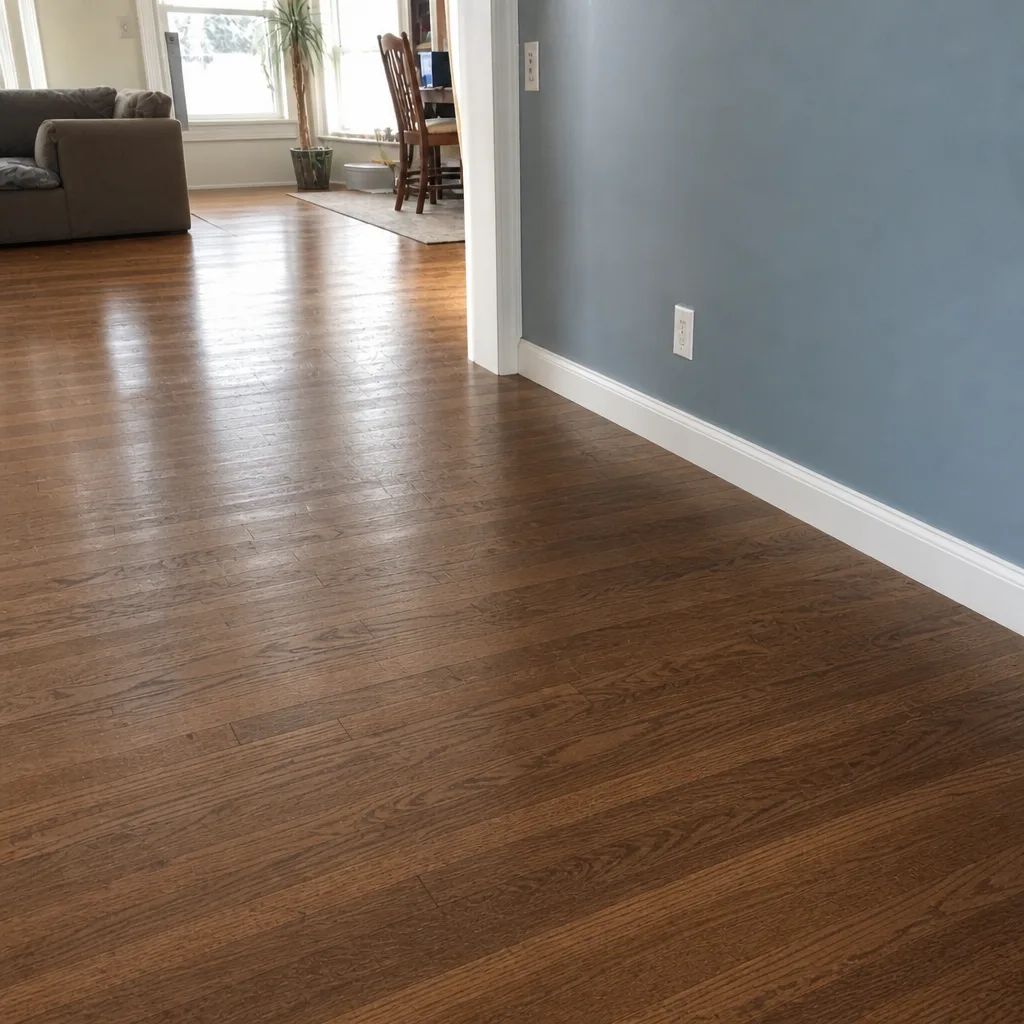 After
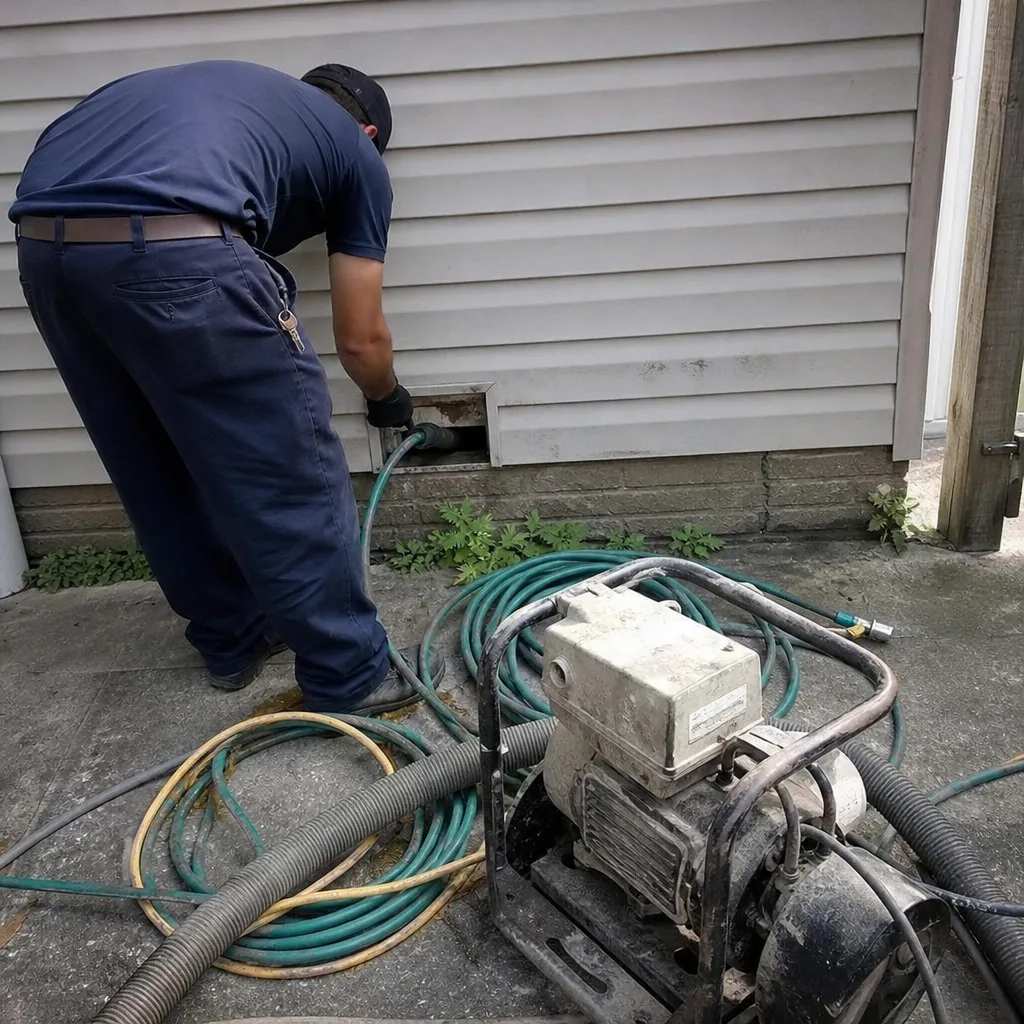 Before
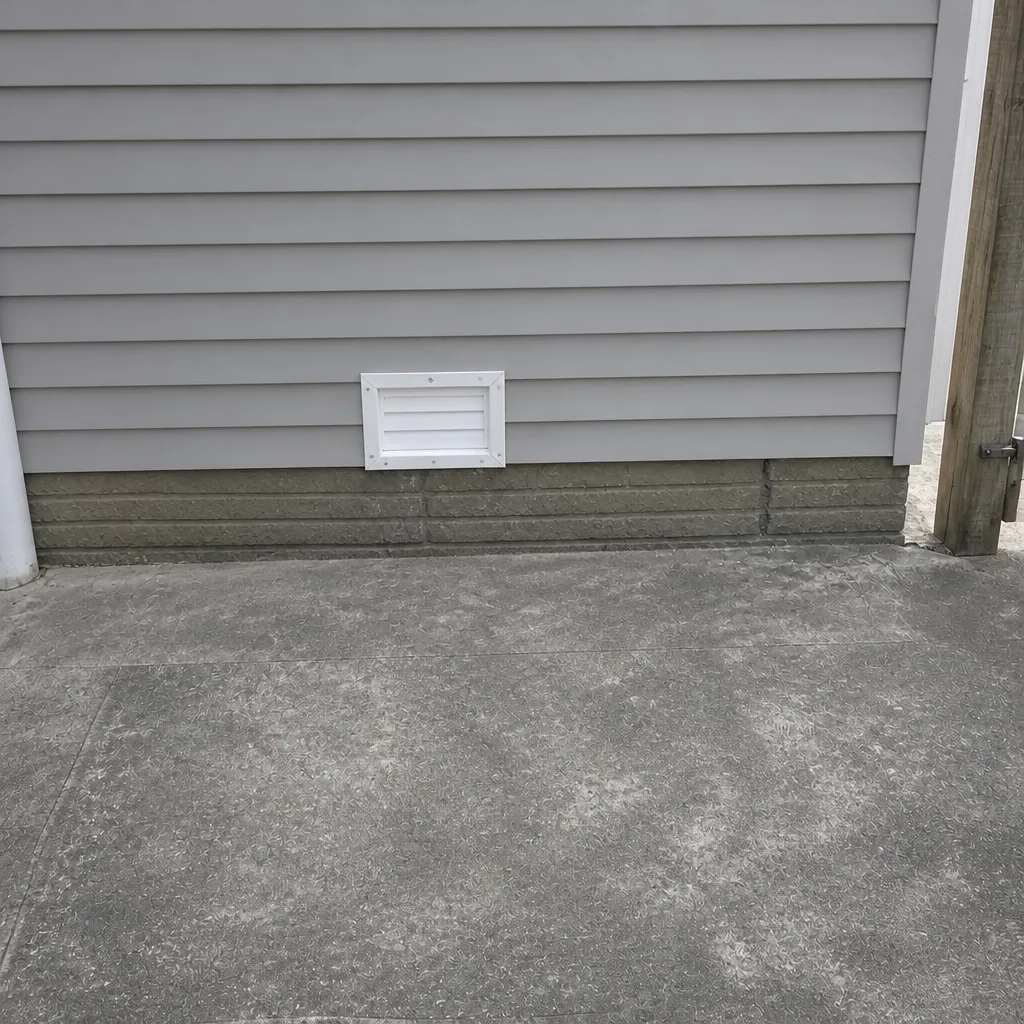 After
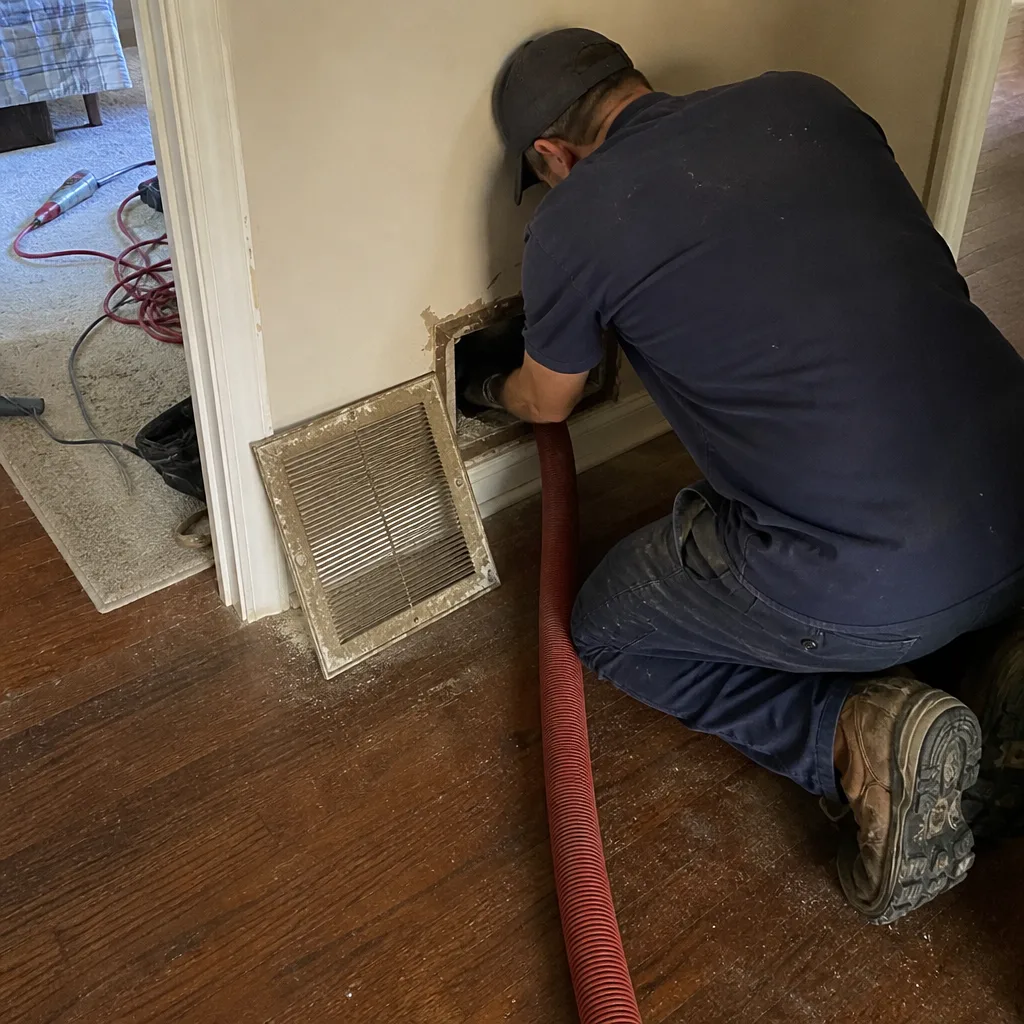 Before
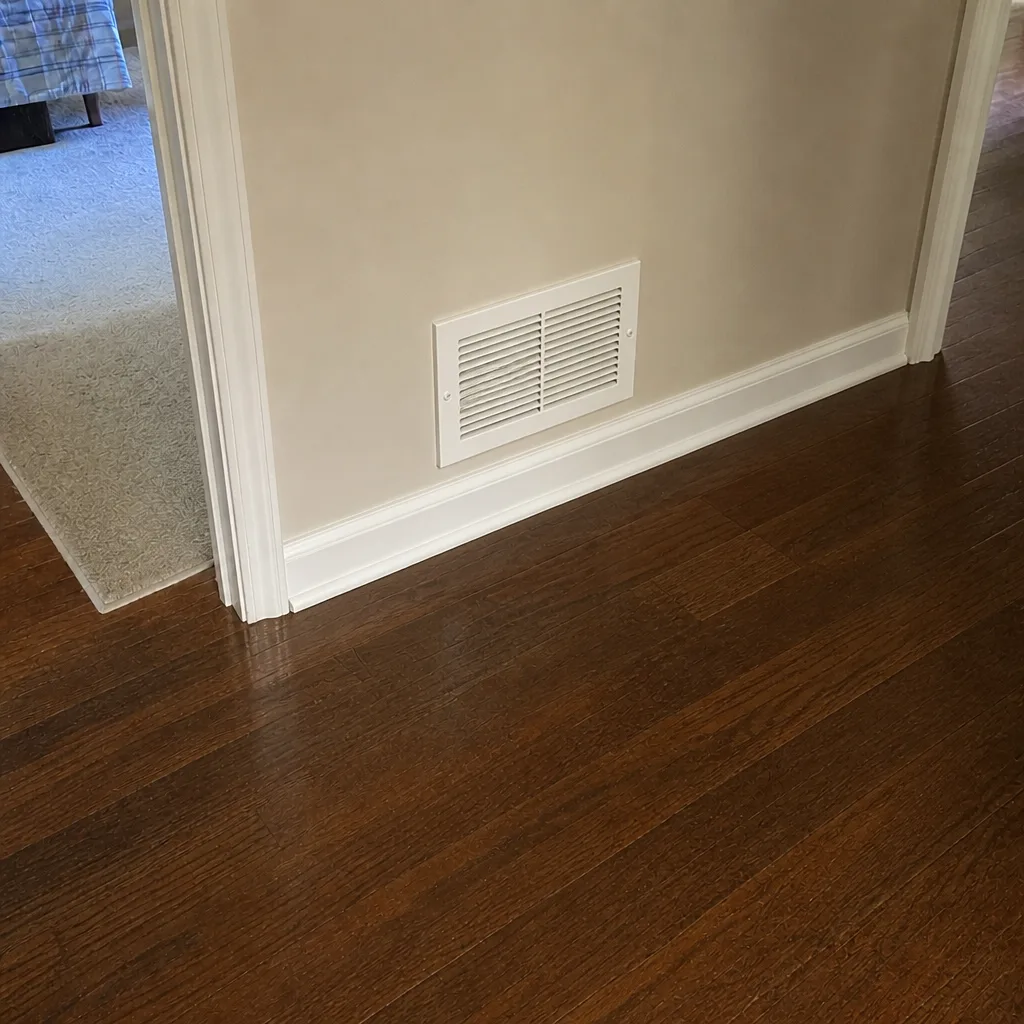 After
When to Call a Professional
Call for a professional assessment when you’re buying a home with an older duct system and want to know what you’re inheriting; when a family member’s allergies or respiratory symptoms have gotten worse inside the house and you want to rule out the ductwork; after a renovation or major construction project where dust and debris likely entered the returns; when you notice visible dust streaks around supply registers or a persistent musty smell from the vents; when your HVAC system was recently installed and you want the ducts brought up to a clean state; or when you can’t remember the last time the dryer vent was cleaned. Call (833) 519-7500. We answer 24/7. Fast dispatch from 7am to 7pm, Sunday through Friday. Duct Cleaning Norfolk offers free estimates in Norfolk, and we’ll tell you honestly if the right answer is cleaning, repair, or both.
Frequently Asked Questions
Whole-home air duct cleaning in Norfolk typically runs $450 to $1,100 depending on the number of runs, the duct material mix, and whether the air handler is included. Repair work and dryer vent cleaning are quoted per job after inspection. The written estimate sets the final price and estimates are free. Call (833) 519-7500 for an exact quote for your system.
Cheap quotes are usually for a smaller scope of work, not the same job at a lower price. A per-vent special often covers a truck-mounted hose on selected registers with no pre-inspection, no containment, and no documentation. The lower number reflects less work being done, not a better deal. Call (833) 519-7500 to compare a written estimate for the whole system.
Ask for before-and-after photos taken by the crew inside your own duct runs, and for the pre-inspection findings documented in writing. A crew that inspects with a camera and shows you what it finds has a natural record of the work. If a company can’t produce evidence of what was removed, that’s worth weighing. Call (833) 519-7500 and we’ll walk you through what our documentation includes.
Most homes in Norfolk don’t need annual cleaning. A reasonable interval for a typical residential system is every three to five years, sooner if you’ve had a renovation, if a filter has failed, or if the system has visible contamination or a persistent musty smell. The honest answer depends on what an inspection finds. Call (833) 519-7500 and we’ll tell you what your system actually needs.
Yes. Norfolk’s air holds more moisture than drier inland markets throughout much of the year, and that moisture supports microbial growth on dust that settles inside ductwork. Damp surfaces inside a system are a different condition than dry dust, and that’s one reason pre-inspection including a moisture check matters here. Call (833) 519-7500 to have your system inspected before any cleaning is scheduled.
Cleaning protocol is matched to the material: sheet metal tolerates rotary brush agitation, flex duct needs lower-agitation methods, and fiberboard is porous enough that moisture damage sometimes makes it unfit for cleaning. A proper pre-inspection identifies what’s there so the right tools are used. Call (833) 519-7500 and we’ll inspect your system and explain what each run needs.
The Bottom Line
Air duct cleaning in Norfolk isn’t a generic service, because Norfolk isn’t a generic market. The area’s humidity changes how contamination develops inside ductwork, and its older housing stock means sheet metal, flex duct, and fiberboard often coexist in the same house. A real cleaning starts with a camera inspection, puts the whole system under negative pressure with HEPA-filtered capture, contains every open register, uses tools matched to each material, and ends with documentation you can see. Cleaning, duct repair, and dryer vent work are one family of services, and the crew that handles them together is usually the one doing the whole job. If you’d like a straight answer for your own system, call (833) 519-7500 for a free estimate. We answer 24/7. Fast dispatch from 7am to 7pm, Sunday through Friday. Our technicians have up to 14 years of experience, and we’re glad to walk through what your Norfolk home actually needs. You can also read more about our Norfolk service area while you’re at it.
Written by the team at Duct Cleaning Norfolk.