
Last updated November 15, 2026
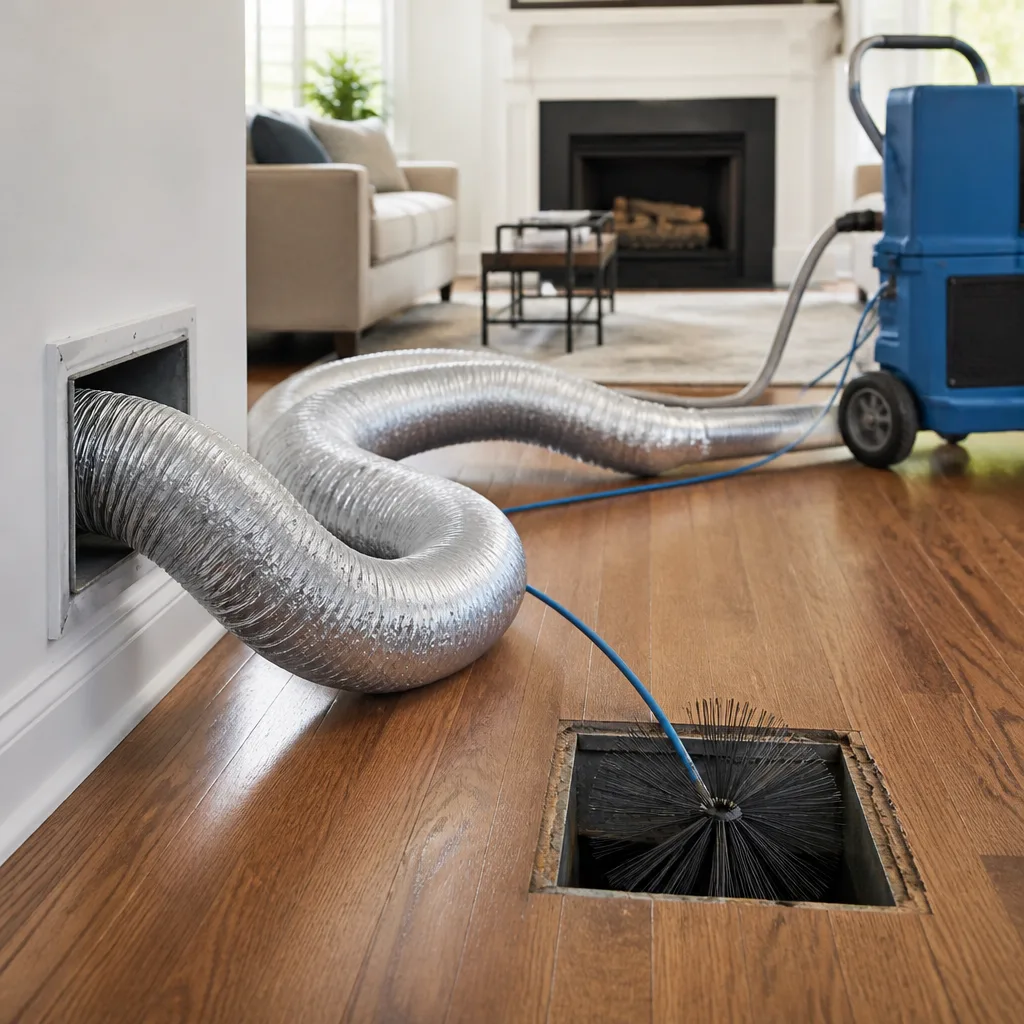 Whole-home duct cleaning
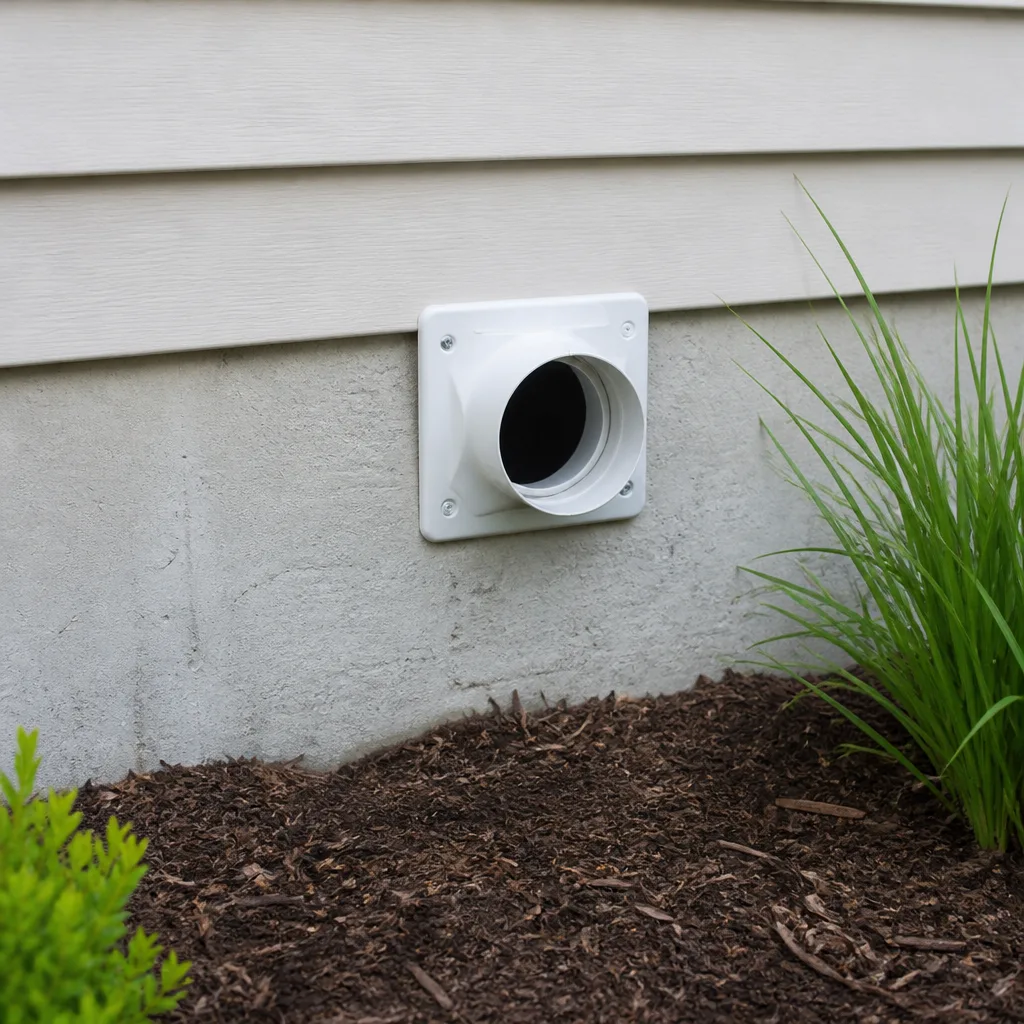 Dryer vent cleaning
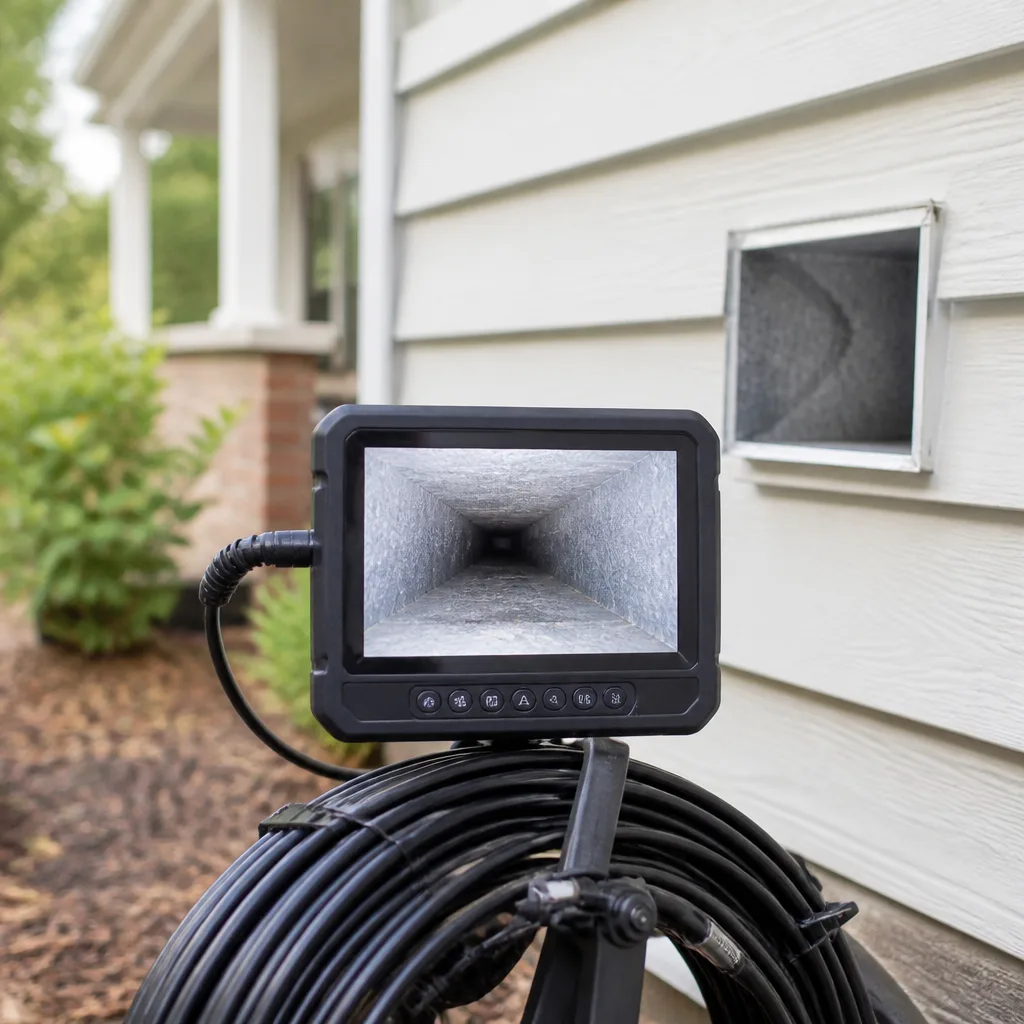 Camera inspection
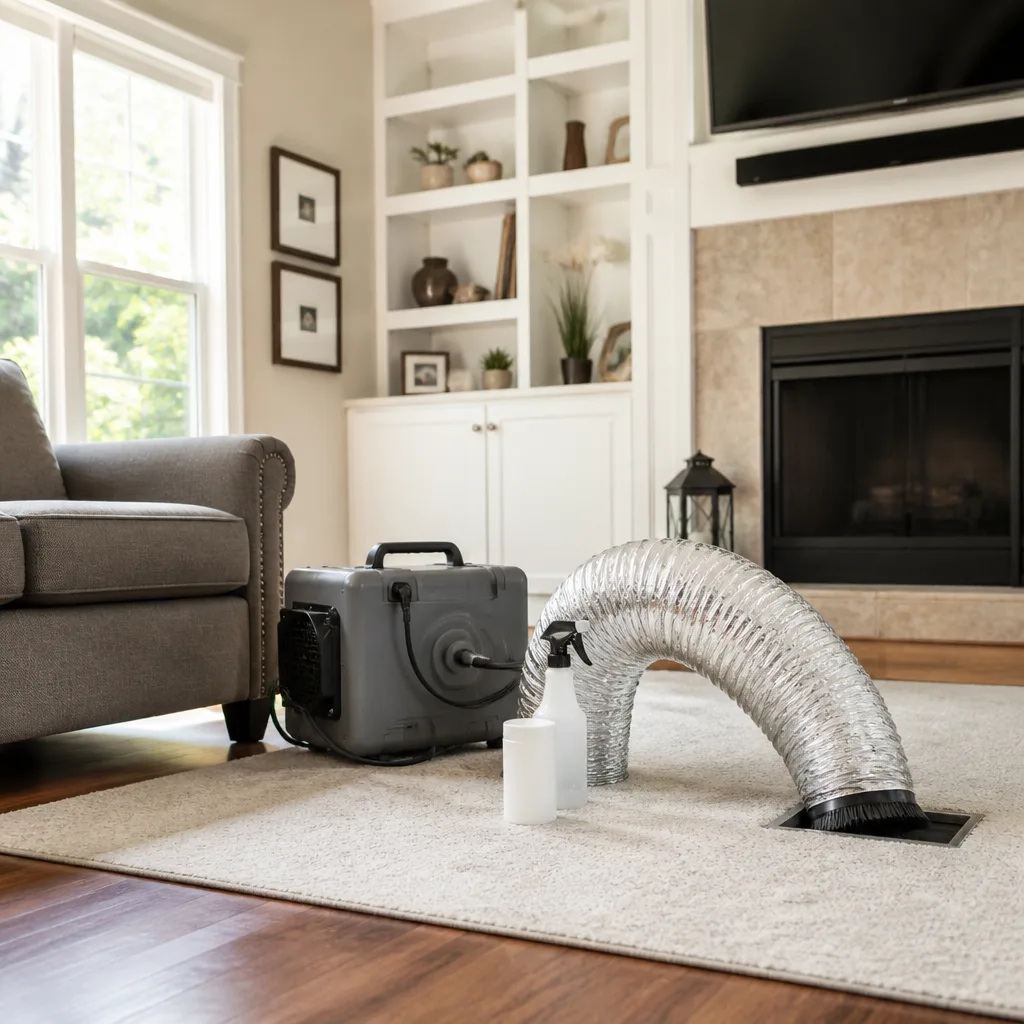 Sanitizing & deodorizing
Whole-system duct and dryer vent check with before-and-after photos - you see exactly what came out of your vents
That "$99 whole-house special" is a bait ad - the real number appears once they are in your hallway, or the "clean" is a shop-vac at the register. We photograph the inside of your ducts before and after instead.
Choosing the Right Air Duct Cleaning Brand: A Buyer’s Guide for Norfolk
Homeowners in Norfolk search for the “best air duct cleaning company” and get a page of franchise logos, coupon offers, and stars. None of that tells you what will happen inside your ducts. Here’s a counterintuitive truth about this trade: the only “brand” that shapes the result is the equipment manufacturer. A truck-mounted vacuum, a negative-air machine, a rotary brush system – those tools decide whether debris leaves your home or just gets stirred up. The logo on the invoice tells you almost nothing. In this guide, we explain which equipment names signal a serious operator, how to verify what a contractor actually owns, and the three questions that separate technically credible teams from marketing-forward ones. We’ll keep it grounded in Norfolk, where older housing stock and tight duct runs make the right equipment matter more than usual.
Quick Answer
The right air duct cleaning brand in Norfolk is the contractor whose equipment you can name. Ask what vacuum, containment, and brush systems they run, whether they own or rent the gear, and how they confirm the work with before-and-after photos. A company using a Rotobrush rotary brush system, Nikro HEPA filtration, and Abatement Technologies negative-air containment is a different category of operator than one showing up with a portable shop vac and a hose. Duct Cleaning Norfolk runs that class of equipment on every job and puts the machine names on the table before the estimate.
Styles & brands we work with
- Whole-home duct cleaning
- Dryer vent cleaning
- Camera inspection
- Sanitizing & deodorizing
Table of Contents
- What “Brand” Actually Means in Duct Cleaning
- The Equipment Categories That Matter
- How to Verify the Truck Actually Matches the Marketing
- What a Truck-Mount Signals About a Company
- Why Franchise Names Often Mean Lower Equipment Standards
- Three Questions That Separate Credible Contractors
- Norfolk Housing, Humidity, and Duct Reality
- Where Cleaning Stops and Duct Repair Begins
- Common Mistakes to Avoid
- When to Call a Professional
- Frequently Asked Questions
What “Brand” Actually Means in Duct Cleaning
Roto-Brush, Abatement Technologies, Nikro – these names mean something specific in this industry and nothing to most homeowners. The contractor who recognizes them without prompting, and can tell you which system they run and why, is a different category of operator than one who can’t.
Duct cleaning has no consumer-facing brand. Nobody has a favorite duct cleaning label the way they have a favorite appliance brand. The work is defined by tools and process. The relevant brand names come from the manufacturers of contractor-grade equipment – the companies that build rotary brush systems, HEPA-filtered vacuums, and negative-air containment machines. When a contractor uses those names correctly, they’re telling you something about their training, their investment, and their understanding of what “clean” actually requires.
The reason this matters in Norfolk is the housing. Plenty of Norfolk homes sit in established neighborhoods with original ductwork from the mid-20th century, galvanized sheet metal that’s had decades of use. Some duct runs are short and tight; others are long, flexible, and buried in walls. You can’t handle that variation with a general-purpose vacuum. You need tools designed to agitate dust loose from metal, capture it in a sealed system, and confirm it’s gone.
Here’s the practical takeaway: in this trade, brand means equipment manufacturer. When we talk about a “serious operator” in Norfolk, we mean someone running the machinery that does the job properly. Not the one with the biggest yellow pages listing or the slickest website.
The Equipment Categories That Matter
Three equipment categories dominate professional duct cleaning, and each is designed to accomplish something different. If a contractor can’t explain which of these they use and why, the conversation is already over.
1. High-powered vacuums: the extraction engine
Every professional job starts with a serious vacuum. There are two main types:
- Truck-mounted vacuums – the largest systems, connected by a long hose to the duct network. High airflow, capable of pulling loose debris out of long runs.
- Portable HEPA-filtered units – smaller but still purpose-built. Nikro makes these; they’re used where a truck-mount can’t reach or where access is tight.
What both do: create a sealed negative-pressure environment inside the duct system, so anything dislodged gets captured rather than blown into the living space.
2. Rotating brush and agitation systems: the loosening tool
Vacuum alone won’t dislodge dust that’s bonded to the inside of a duct wall. A rotary brush system like a Rotobrush uses a spinning brush head on a flexible shaft to physically agitate the surface while extraction runs. In our experience, this is the difference between a duct that looks clean and one that actually is. If a contractor’s equipment list doesn’t include some kind of mechanical agitation, ask them how they plan to address stuck-on debris.
3. Negative-air containment: the safety net
Abatement Technologies makes negative-air and containment equipment in the same category used in professional remediation work. When a duct system is opened up, you want everything downstream of that opening under negative pressure, so dust gets pulled into a filter rather than redistributed into the room. This is one of the most under-discussed parts of a duct cleaning job. A shop vac can’t do it. A truck-mount with proper hose sealing can. A well-built portable system with negative-air attachments can. A leaf blower and a hose absolutely cannot.
If you want to see how this gear comes together on a real job, our air duct cleaning page walks through the sequence.
How to Verify the Truck Actually Matches the Marketing
Every duct cleaning website in Norfolk claims professional equipment. Fewer can show it. Here’s how to tell the difference before you book.
- Ask for the specific model names. A serious operator will say “we run a Rotobrush and a Nikro HEPA vacuum” without hesitation. Vague answers (“high-tech equipment,” “the best tools in the industry”) are a signal.
- Ask to see the truck before the crew starts. The equipment should be visible and matched to the invoice. You don’t need to inspect it like an engineer – just confirm the machine is actually a purpose-built duct cleaning unit and not a portable shop vac from a big-box store.
- Look for photo documentation. A contractor who takes before-and-after photos of your own ducts is one who’s using equipment capable of producing a visible difference. If photos aren’t offered, ask.
- Ask whether they own or rent the equipment. Owning a truck-mount or a full portable system is a sign a company is invested in duct cleaning as a specialty. Renting it for specific jobs is fine for a generalist, but it tells you something about their volume and focus.
- Ask who actually operates the equipment. If the company subcontracts to a third party, the equipment standard can drop the moment it rolls onto your street. Direct crews on direct equipment is what you’re looking for.
The Roto-Brush name, the Abatement name, the Nikro name – those are the shorthand. A contractor who can speak to them fluently is a contractor whose truck probably matches the website.
What a Truck-Mount Signals About a Company
A contractor running a truck-mount is invested in this work differently than one with a portable unit. That doesn’t make a portable system inadequate – Nikro portables are serious equipment in their own right – but it does say something about scale and process. A truck-mount is expensive, takes up a dedicated vehicle, and only makes financial sense if the company is doing duct cleaning regularly and at volume.
In Norfolk, that matters for a couple of reasons. First, the housing age means most jobs involve significant debris volume – the kind of material that a lightweight vacuum on its own struggles to capture fully. Second, real truck-mount setups include long hose runs that let the crew seal to the duct system properly, which is the only way to run a true negative-pressure extraction.
Portable systems fill specific roles – tight access, multi-unit buildings, commercial property – and they’re a legitimate part of a full tool inventory. But if a company’s only equipment is what fits in a hatchback, they aren’t set up for a typical Norfolk single-family job. Ask what equipment will actually be on-site. If the answer is “the truck-mount comes whenever we can schedule it,” that’s the honest version. If the answer is “we only run portables,” that’s information you can use.
Why Franchise Names Often Mean Lower Equipment Standards
Here’s a thing that surprises people: the biggest-name national chains are often less equipped than independent specialists. A franchise’s value is brand recognition and marketing. The local operator running a duct cleaning specialty has value in the tools they own and the process they’ve refined.
When a franchise sells duct cleaning, they often position it as one add-on among many – carpet cleaning, tile, upholstery, HVAC tune-ups. The equipment set is downloaded from a corporate playbook and standardized across the country. That standardization has to work for every housing market, from century-old housing stock in the Northeast to new construction in the Sun Belt. The result is often a mid-tier vacuum and a one-size-fits-all brush. It’s fine for carpet. For the aerosolized debris in a 50-year-old Norfolk duct system, it may not be.
An independent specialist with a defined tool inventory has the opposite problem: they’ve committed. They bought the truck-mount, the rotary brush system, the containment gear, and the HEPA-filtered portable for backup. They did that because duct cleaning is what they do, and their equipment is what they can point to.
None of which says you should never hire a franchise. It says the logo on the side of the truck isn’t the variable that determines success. The toolset inside the truck is.
Three Questions That Separate Credible Contractors
If you want to cut through marketing and get to a real answer quickly, ask these three questions. The responses will tell you most of what you need.
- “What extraction and agitation systems do you run?” – A technically credible operator names the equipment immediately. Listen for the specific machines, not the categories. “We run a Rotobrush and a Nikro HEPA vacuum” is a better answer than “we use a high-powered vacuum.”
- “How do you prevent cross-contamination during the job?” – The right answer describes containment: negative-air setup, sealed hose connections, HEPA filtration on the exhaust. If they don’t have a process for this, they haven’t done enough serious jobs.
- “Can you show me photos of the ducts before and after?” – Anyone using professional equipment should be able to produce before-and-after images. If they can’t, or won’t, that’s a sign.
Those three answers, taken together, tell you more about the contractor than 20 minutes of website browsing. A company that gets through all three with specific, non-defensive answers is a company ready to work on your home. One that deflects on any of them likely isn’t.
Norfolk Housing, Humidity, and Duct Reality
Norfolk’s climate puts real pressure on residential duct systems. Warm, humid summer air travels through ductwork that runs through unconditioned attic spaces and basement drops. Moisture condenses on cool metal surfaces. That condensation invites dust to bond to the duct wall rather than sit loose – which is exactly why mechanical agitation matters more here than in dry climates. A vacuum alone moves air. A rotary brush actually scrubs the surface.
The housing stock plays a role too. Older homes around Ghent, Freemason, and the historic neighborhoods of Norfolk carry ductwork that’s often been retrofitted, modified, and patched over decades. Some runs may be original galvanized sheet metal. Others are later flex runs spliced in. That variation means a single-gauge approach doesn’t work. Technicians who show up and know they’ll be working with a rotary brush, a proper containment setup, and a HEPA portable for tight angles are the ones set up for what Norfolk actually dishes out.
Recent construction and renovation in Norfolk – neighborhoods like Larchmont and North Colley – often has cleaner duct systems, but not always. New construction isn’t exempt from drywall dust or construction debris left in the ductwork before the system was sealed. A cleaning scheduled after a major renovation is one of the best ways to protect a new HVAC system.
If you’re new to Norfolk, our overview of the city at Norfolk is a good starting point for understanding how the neighborhoods differ in age and housing type. It also helps explain why one duct cleaning protocol won’t suit every home.
Where Cleaning Stops and Duct Repair Begins
Cleaning is not the same as repair. This is one of the places where a focus on the equipment conversation pays off: a contractor with a proper tool inventory often has the ability to actually diagnose what’s wrong with a duct system, not just blow air through it. Duct leakage, disconnected sections, crushed flex runs, and sagging returns all compromise the system even after a cleaning. If the ducts are leaking, cleaning them just gives conditioned air a quicker path out of the house.
We offer air duct repair as a standalone service for that reason. It lets us fix what cleaning alone can’t. It also means homeowners don’t need to call a second contractor for a repair after cleaning turns up a problem. If the technician finds damaged sections, you get a straight answer, a price, and a plan. If the only issue is a deteriorated section that has to be addressed to get the cleaning right, that’s a conversation to have before the cleaning starts, not after.
One caveat worth saying out loud: if the ducts contain active mold growth, that’s a remediation scope, not a duct cleaning scope. The right equipment for the job is different, the process is different, and the timeline is different. A serious technician should be able to tell you when a job needs to be referred out.
Common Mistakes to Avoid
Here are the errors that cost homeowners either money or trust in this trade.
- Choosing on price alone. The lowest quote rarely reflects the equipment being used. It often reflects the fact that a lesser machine is doing the work, or that the “cleaning” has been reduced to a pass with a homemade rig. The written estimate from a serious operator is the one worth comparing, not the opening number.
- Accepting a coupon-driven bait price. A very low advertised price for a whole-home job usually means the technician will find “additional issues” on-site that drive the invoice up. Ask for a flat price for the whole system, agreed before work starts, in writing.
- Skipping the ducts after a renovation. Norfolk renovations generate a huge volume of drywall dust and sawdust. If the system ran during construction, some of it is now in the ductwork, and it needs to be removed before your HVAC keeps circulating it.
- Ignoring the dryer vent. Dryer vents are a leading cause of residential fires, and many duct cleaning companies treat that service as a cheap add-on rather than a dedicated service. Ask specifically what equipment they use and how they confirm the vent is clear. Our dryer vent cleaning page covers what a real job looks like.
- Assuming a new HVAC system means clean ducts. A new air handler doesn’t clean the ducts it’s connected to. In fact, a new system is one of the best times to get the ducts cleaned – you want a clean starting point.
- Believing “no dust visible” means “clean.” Small particles aren’t visible in a duct from the vent cover. Before-and-after photos taken inside the duct, with proper lighting, are the only way to know.
- Assuming same-day availability is a sign of quality. It’s a scheduling fact, not a quality indicator. What matters is what shows up when the crew does.
When to Call a Professional
Most duct cleaning gets scheduled after a specific event rather than on a fixed calendar. The most common triggers are: a new HVAC installation or major replacement, a home purchase where the prior owner’s maintenance history is unknown, a recent renovation, visible dust puffing from vents when the system turns on, a persistent musty smell when the air runs, or allergies that seem worse indoors than outdoors. A dryer vent that hasn’t been inspected and cleaned in years, or a dryer that takes noticeably longer to dry a load, is another clear reason to call. Norfolk humidity makes the “musty smell when the system kicks on” case common – it’s a condensation-and-dust interaction that a proper cleaning addresses.
Duct Cleaning Norfolk offers free estimates in Norfolk – call (833) 519-7500. We answer 24/7. Fast dispatch from 7am to 7pm, Sunday through Friday. You’ll get a flat price for the whole system before work starts, with before-and-after photos when the job is done.
Frequently Asked Questions
Air duct cleaning in Norfolk typically falls in the range you’d see for a whole-home residential system, with the written estimate setting the final price based on the number of vents, the system layout, and whether repair work is needed. We don’t quote a per-vent number, because that pricing model pushes companies toward short visits and leaves the system only partly cleaned. Ask for a flat price per system, agreed before work starts. Call (833) 519-7500 for an exact quote – estimates are free.
Cheaper quotes usually reflect either smaller equipment, a shorter process, or both. A company using a portable shop vac for extraction isn’t equipped to truly clean a whole duct system, and a company that quotes a coupon price is often relying on upselling on-site. The cost difference you should be focused on is the toolset difference – a serious operator invests in a truck-mount, rotary brush system, and proper containment. The quote reflects that. Ask what equipment they’ll use. Call (833) 519-7500 for an exact quote – estimates are free.
Before-and-after photos of your own ducts, taken by the technician, are the standard. Any serious operator should offer them without being asked. If photos aren’t offered, request them. A good contractor will welcome it. Call (833) 519-7500 to schedule a job that comes with photo documentation.
Most homes don’t need duct cleaning on a fixed schedule – it depends on the age of the home, whether renovations have happened, whether pets live in the home, and whether the HVAC system has been replaced recently. For a typical Norfolk home without those factors, a cleaning every several years or after specific events is usually plenty. A contractor who claims you need annual service without explaining why is one worth questioning. Call (833) 519-7500 for an exact quote – estimates are free.
Yes, and it’s one of the best times to schedule. A new air handler will run more efficiently and last longer if it starts with clean ducts. Any dust or debris that’s been sitting in the old ductwork during the installation should be removed before the new system starts working. Call (833) 519-7500 to schedule a cleaning around an HVAC install.
Not every home requires the full negative-air setup, but the question is whether the contractor has it available and knows how to use it. A portable Nikro HEPA system plus proper hose sealing can achieve the same negative pressure result in many single-family homes. What matters is that a plan exists for keeping debris out of your living space during the job – not whether a specific brand name is on the invoice. Call (833) 519-7500 to talk through what your Norfolk home needs.
Duct cleaning handles the supply and return ductwork that circulates air through your HVAC system. Dryer vent cleaning handles the dedicated exhaust vent from your dryer to the outside of the home. They use different equipment, different process, and different safety considerations – a clogged dryer vent is a fire risk, while a dirty supply duct is an air quality issue. Both should be on your radar, especially in older Norfolk homes where ductwork and vents may have been installed decades apart. When you call Duct Cleaning Norfolk for one, we’ll recommend whether the other is worth scheduling at the same time.
Often, yes – especially when the smell only appears when the HVAC kicks on. That pattern usually points to damp dust buildup inside the ductwork, condensation on cold duct surfaces, or moisture intrusion somewhere in the system. The right equipment (rotary brush plus HEPA extraction) removes the source. If the smell persists after cleaning, that’s a signal a professional should check the system for moisture or seal issues. Call (833) 519-7500 to schedule a diagnostic visit.
The Bottom Line
The right air duct cleaning brand in Norfolk isn’t the logo on the truck. It’s the equipment inside the truck. Look for a contractor who can name their machines – Rotobrush, Nikro, Abatement Technologies, or comparable contractor-grade systems – and who can tell you without hesitation which one they’ll be running on your job. Ask about negative-air containment. Ask about before-and-after photos. Ask whether they own or rent their gear. The answers tell you more than any website ever will, and they separate the technicians from the marketing teams. Cleaning, repair, and dryer vent safety under one scope is what a serious operator offers. When you’re ready to move forward, call Duct Cleaning Norfolk at (833) 519-7500 – We answer 24/7. Fast dispatch from 7am to 7pm, Sunday through Friday. Free estimates, flat pricing per system, and before-and-after photos so you can see what was done.
Written by the team at Duct Cleaning Norfolk.
See the difference
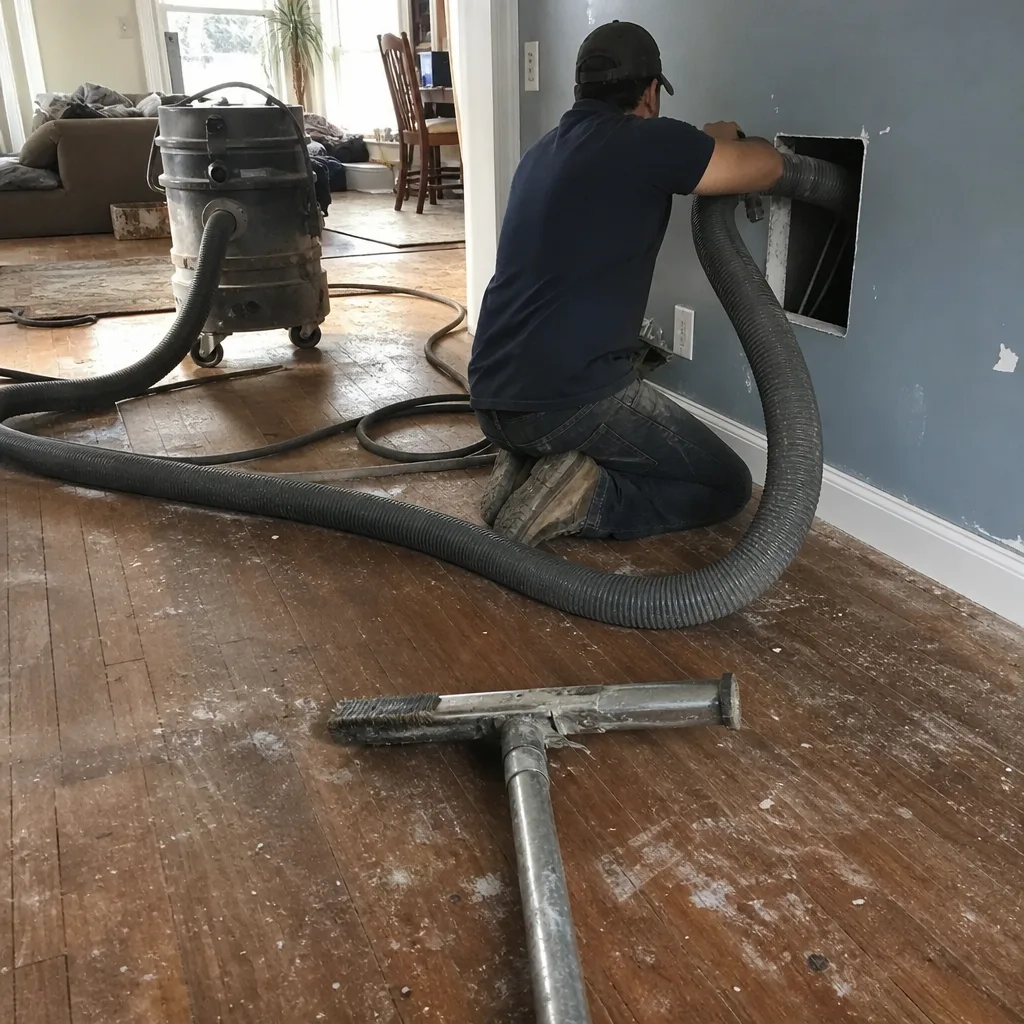 Before
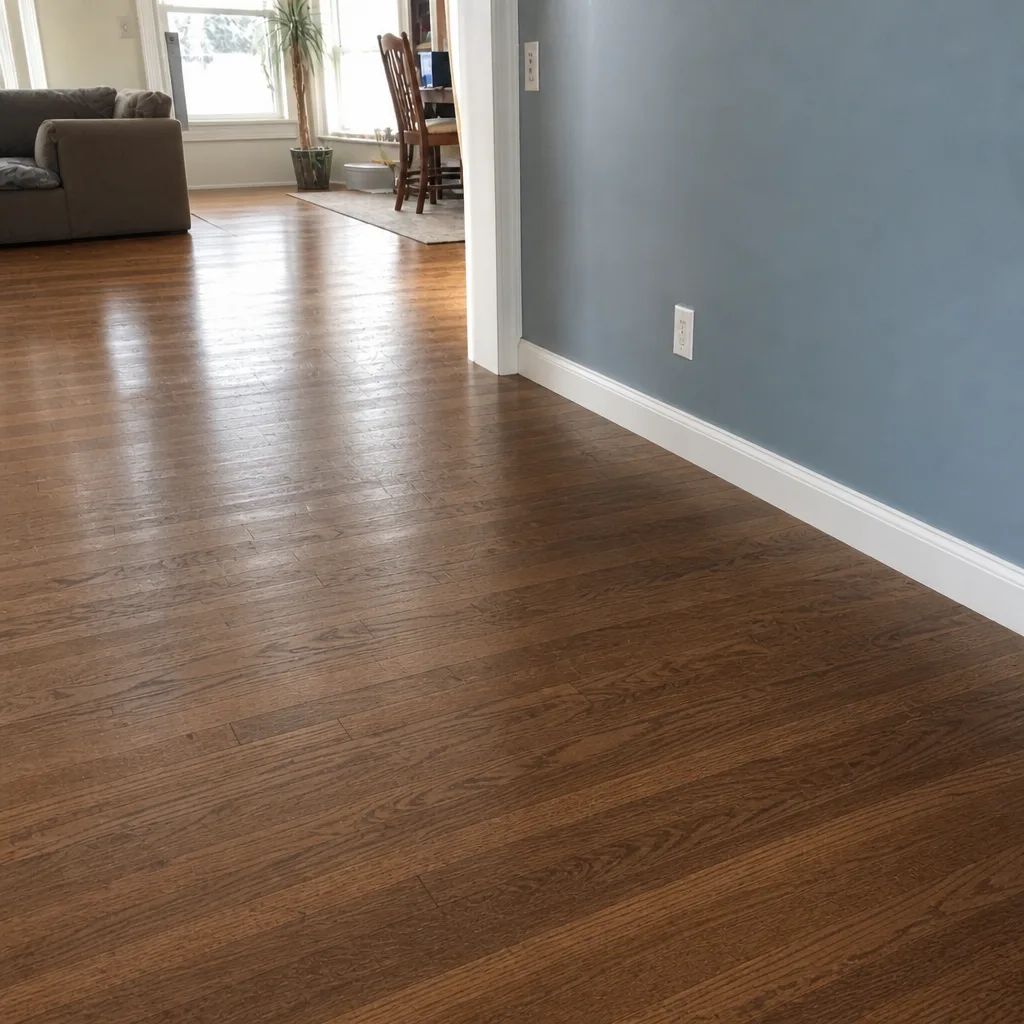 After
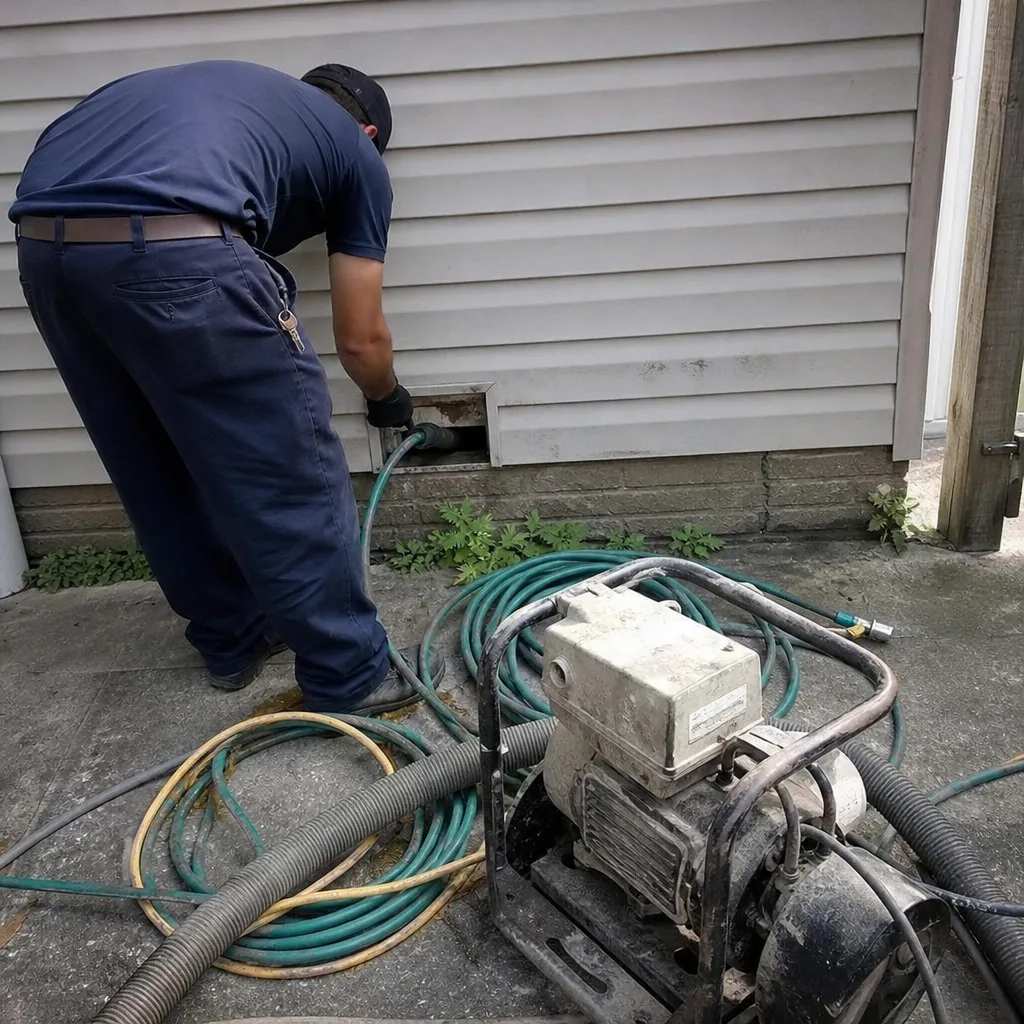 Before
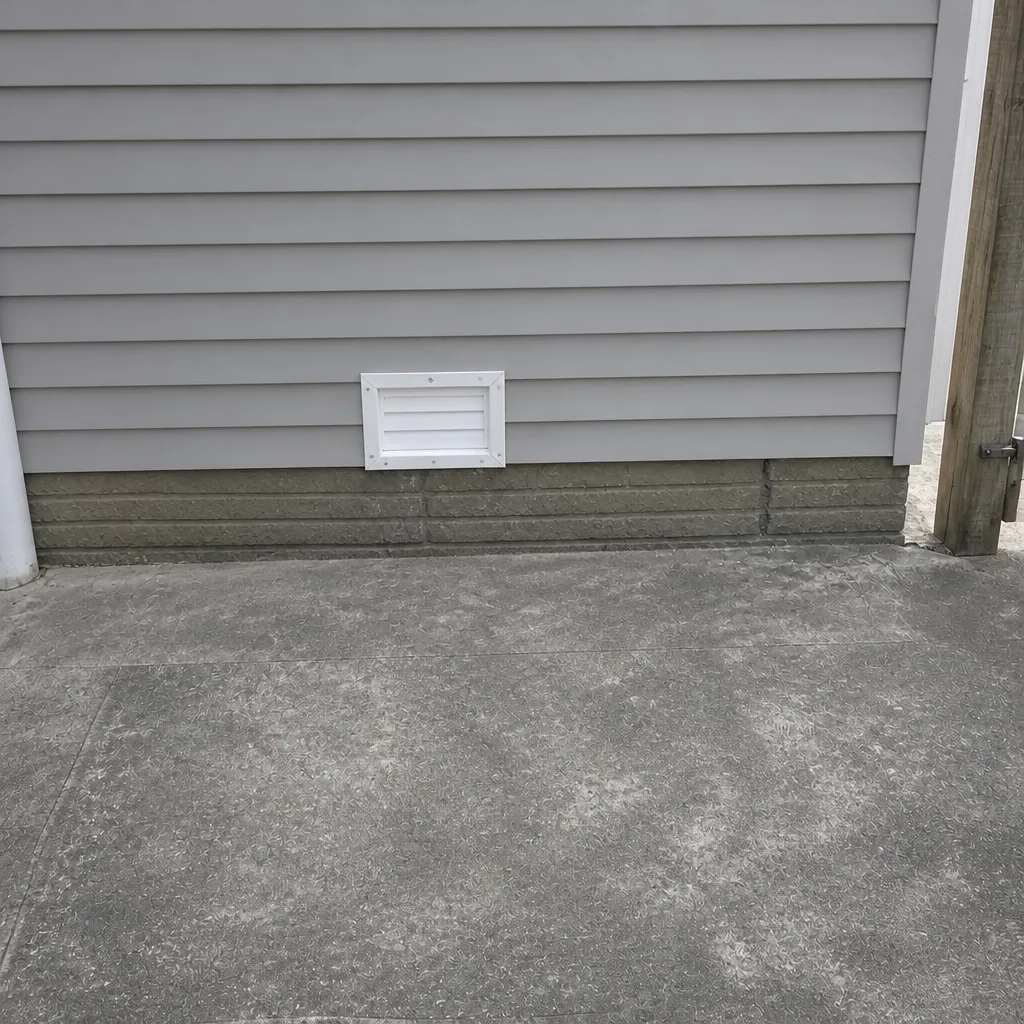 After
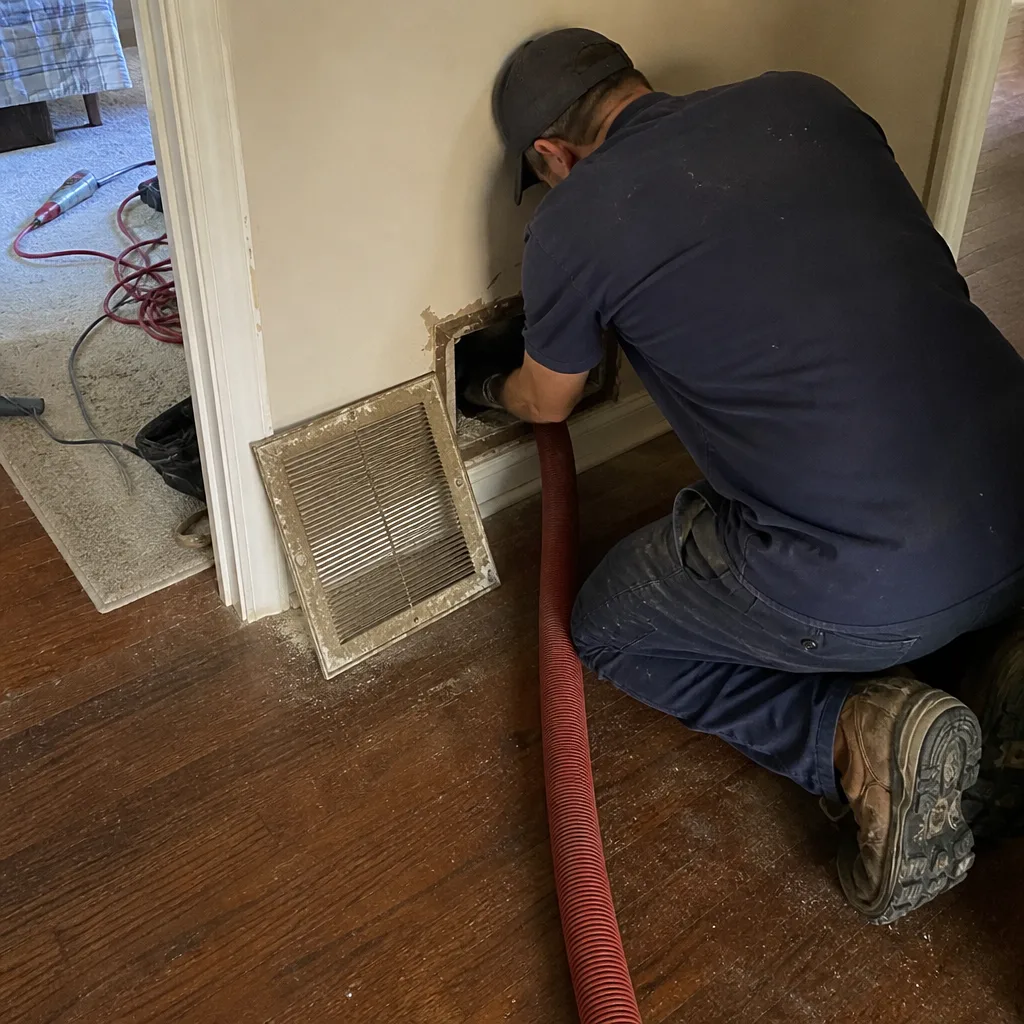 Before
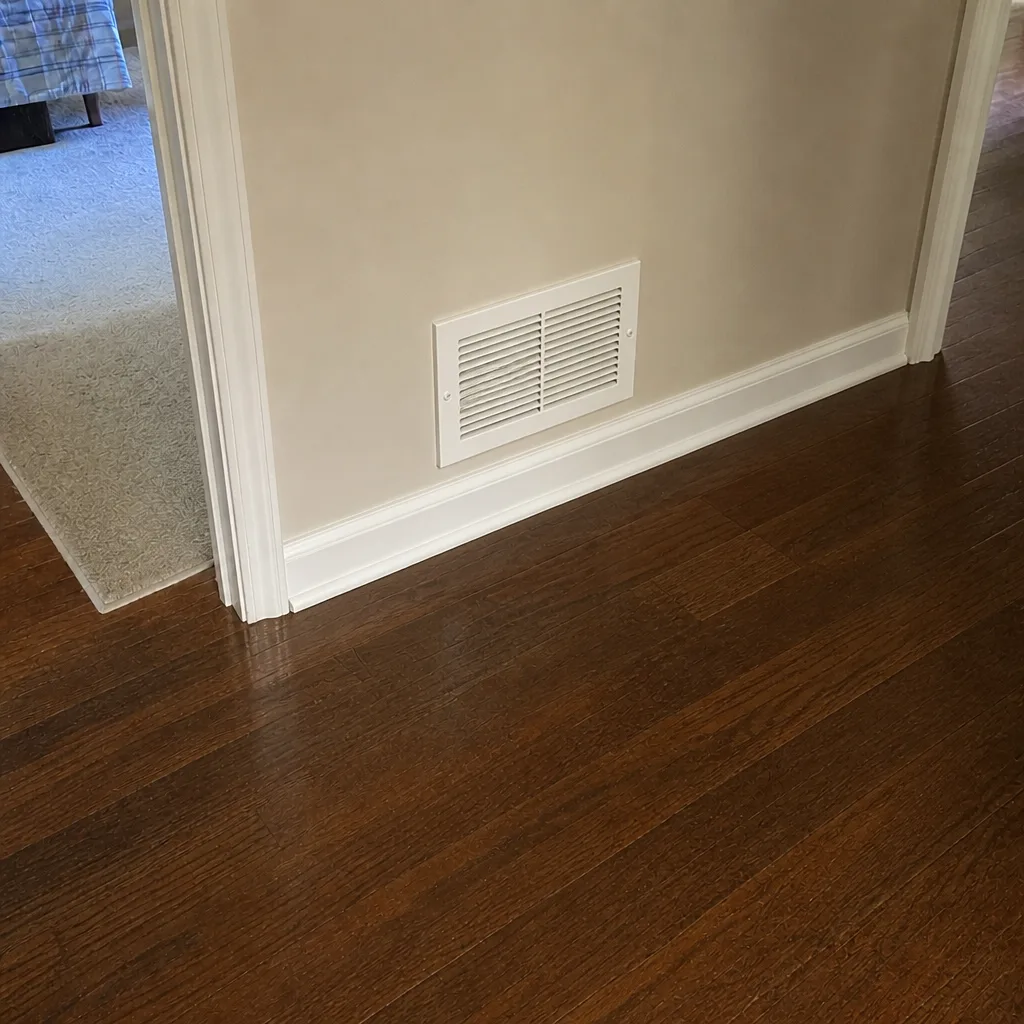 After