
Last updated November 15, 2026
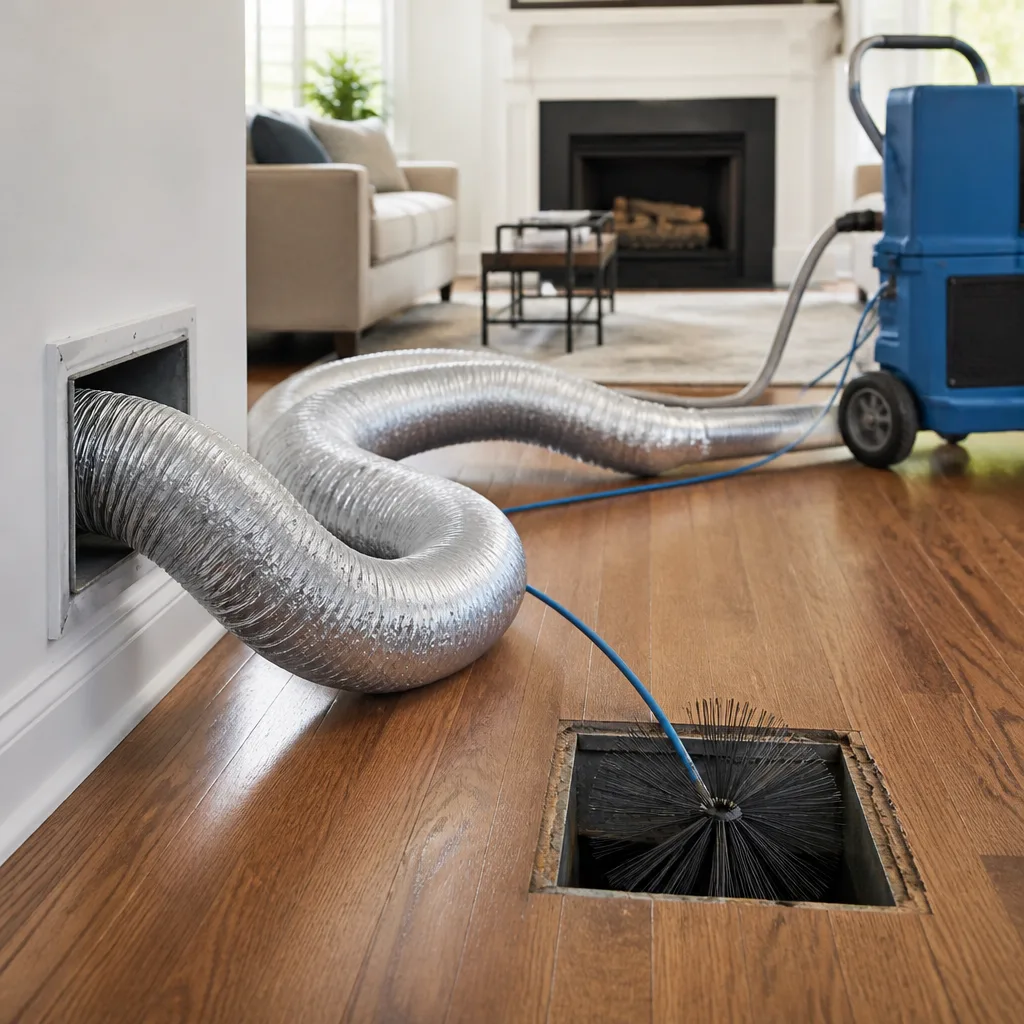 Whole-home duct cleaning
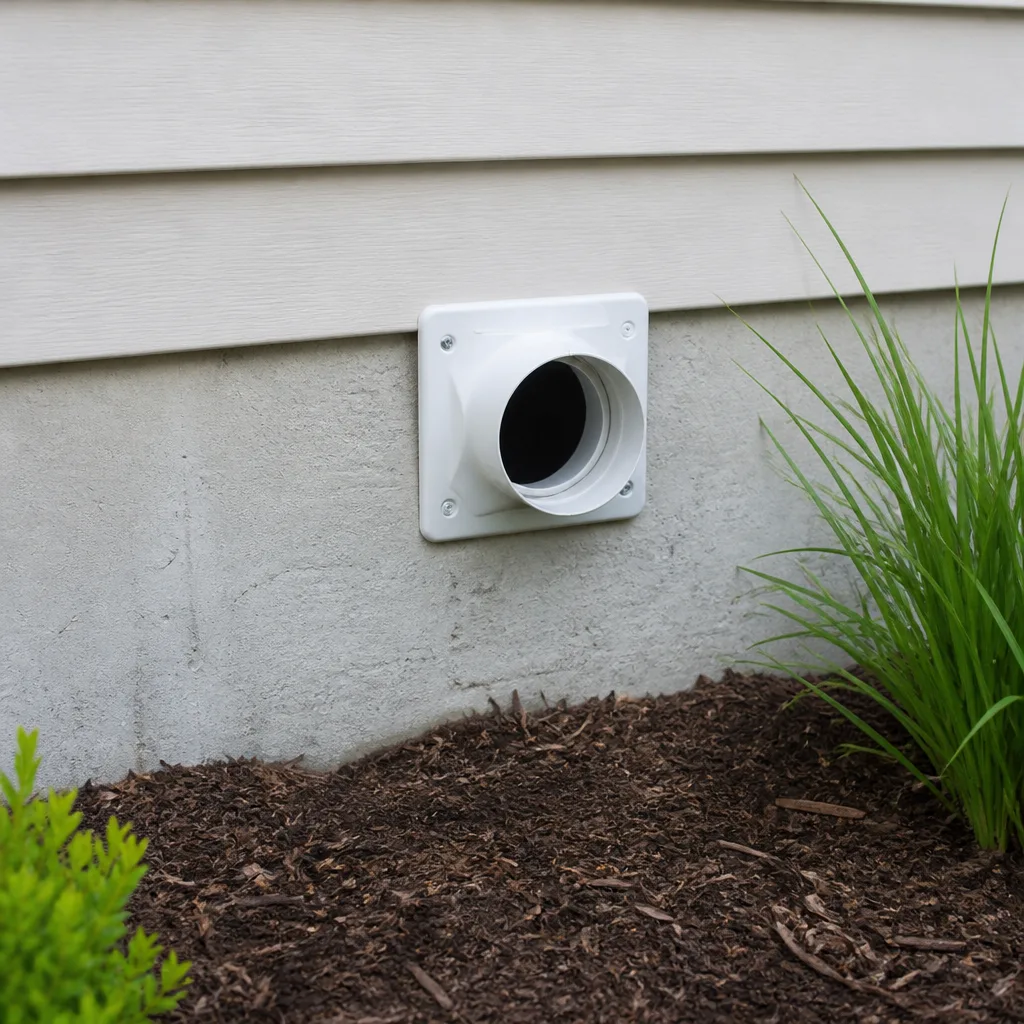 Dryer vent cleaning
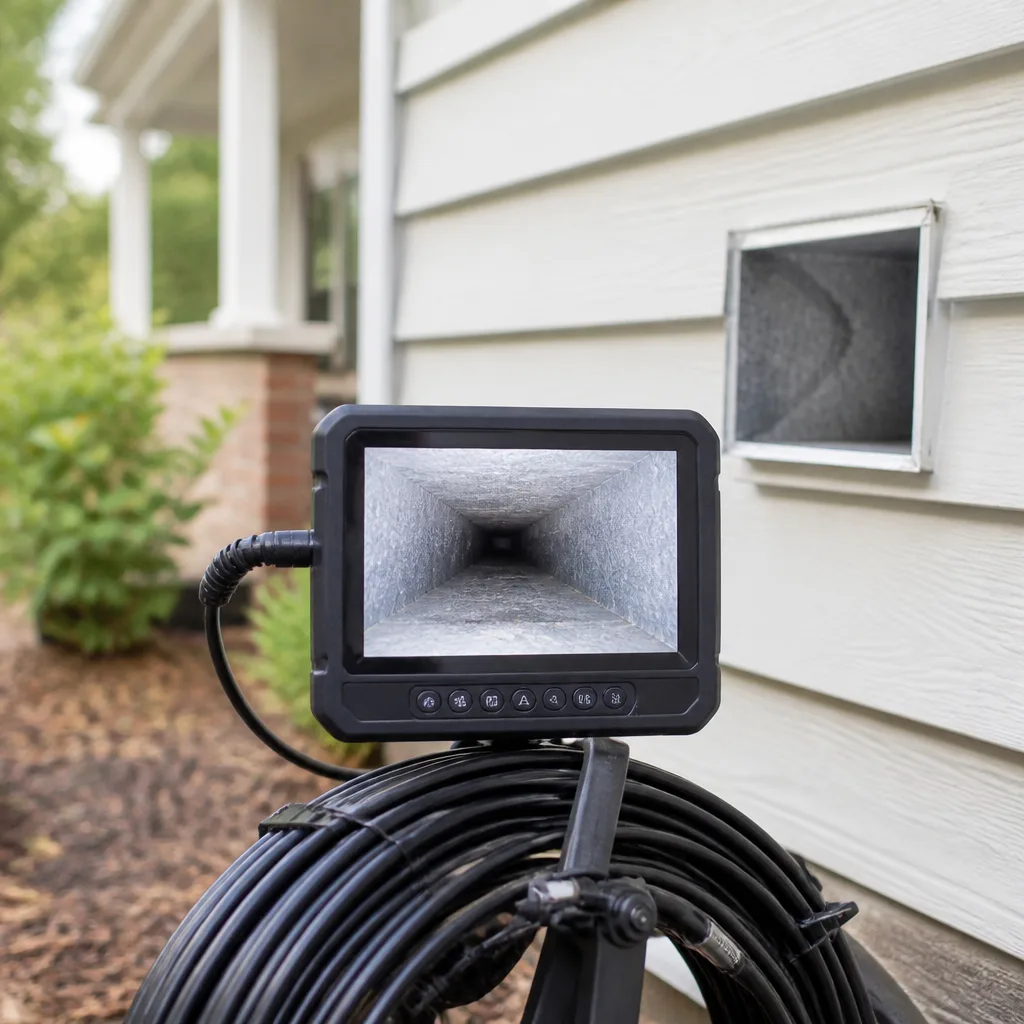 Camera inspection
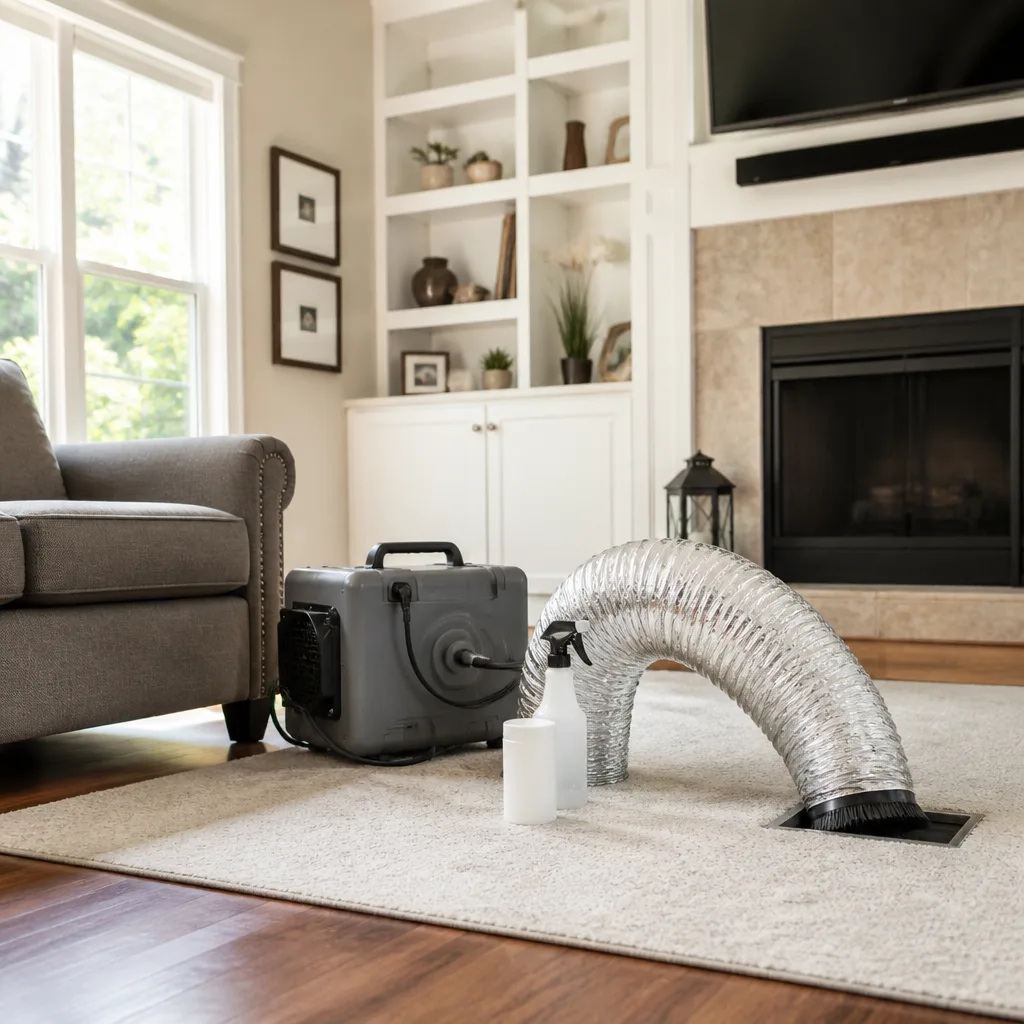 Sanitizing & deodorizing
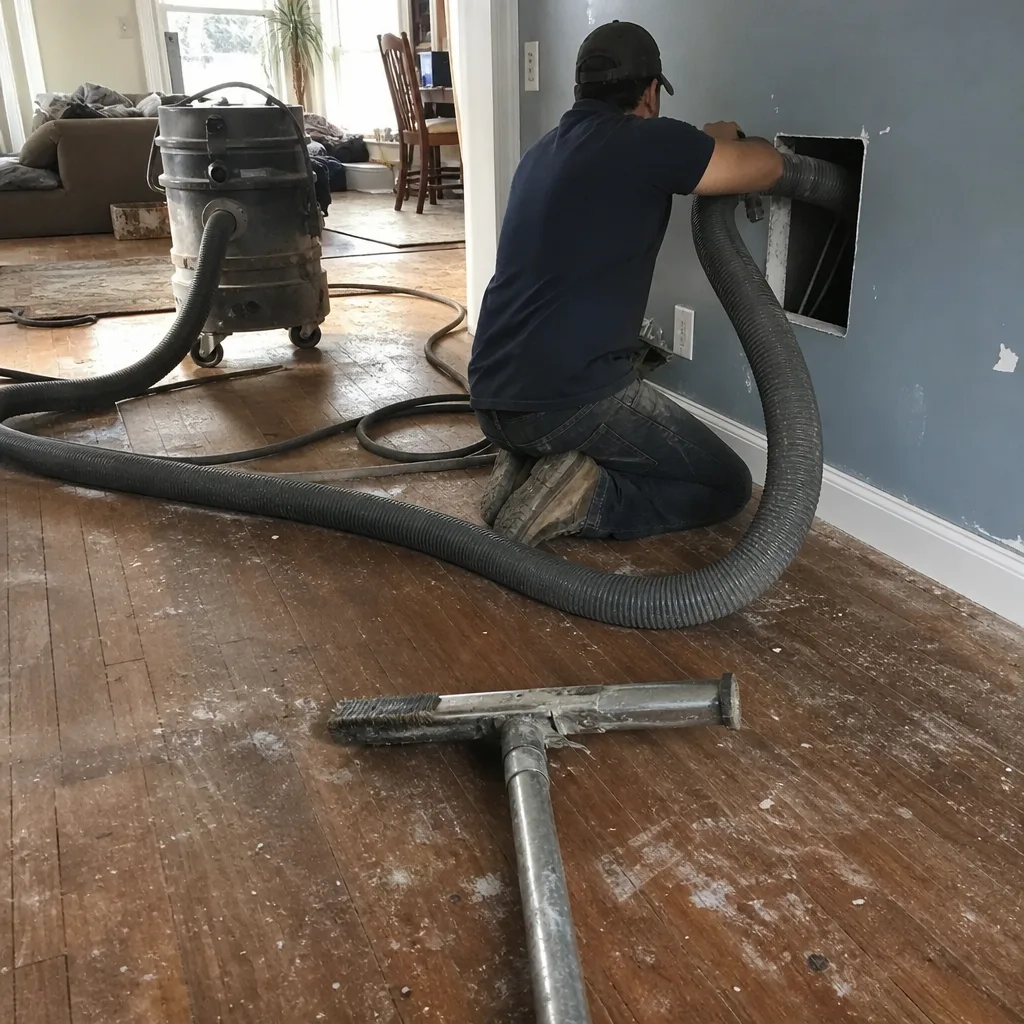
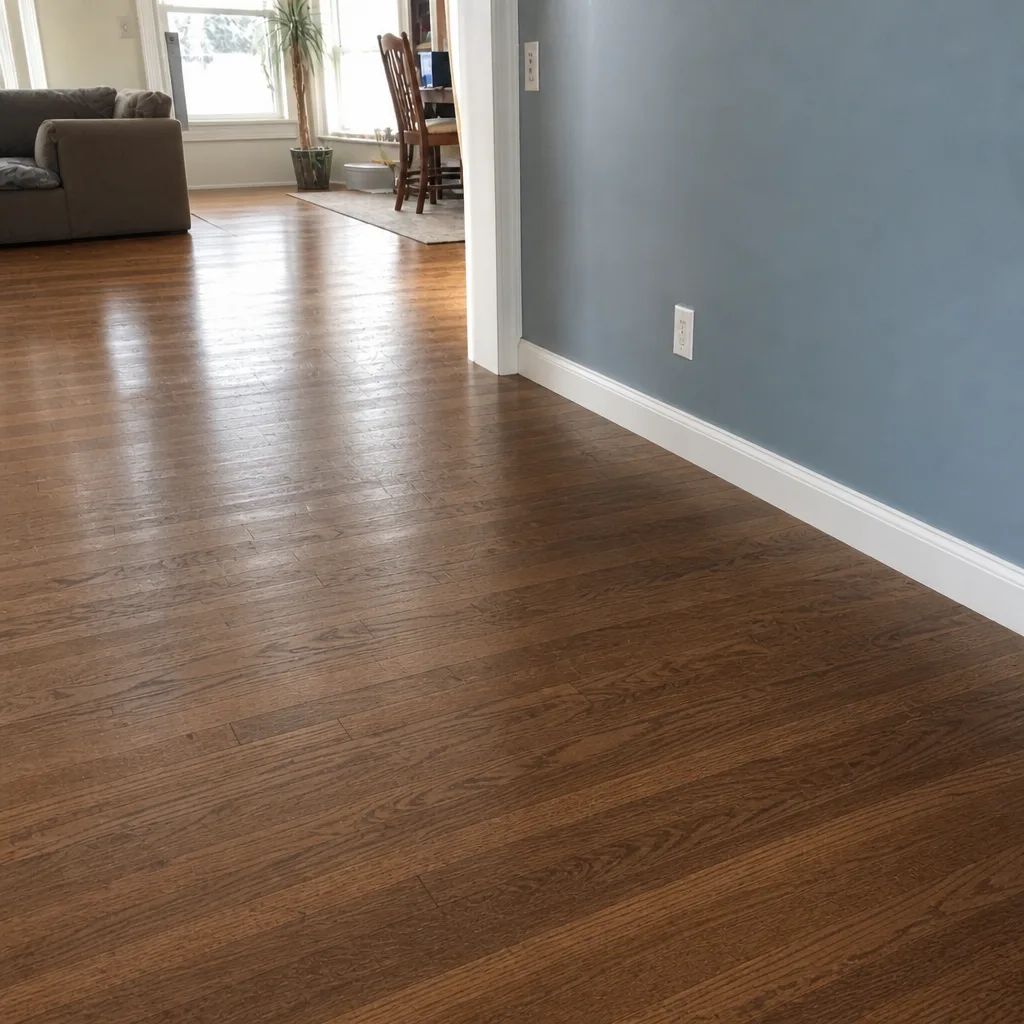
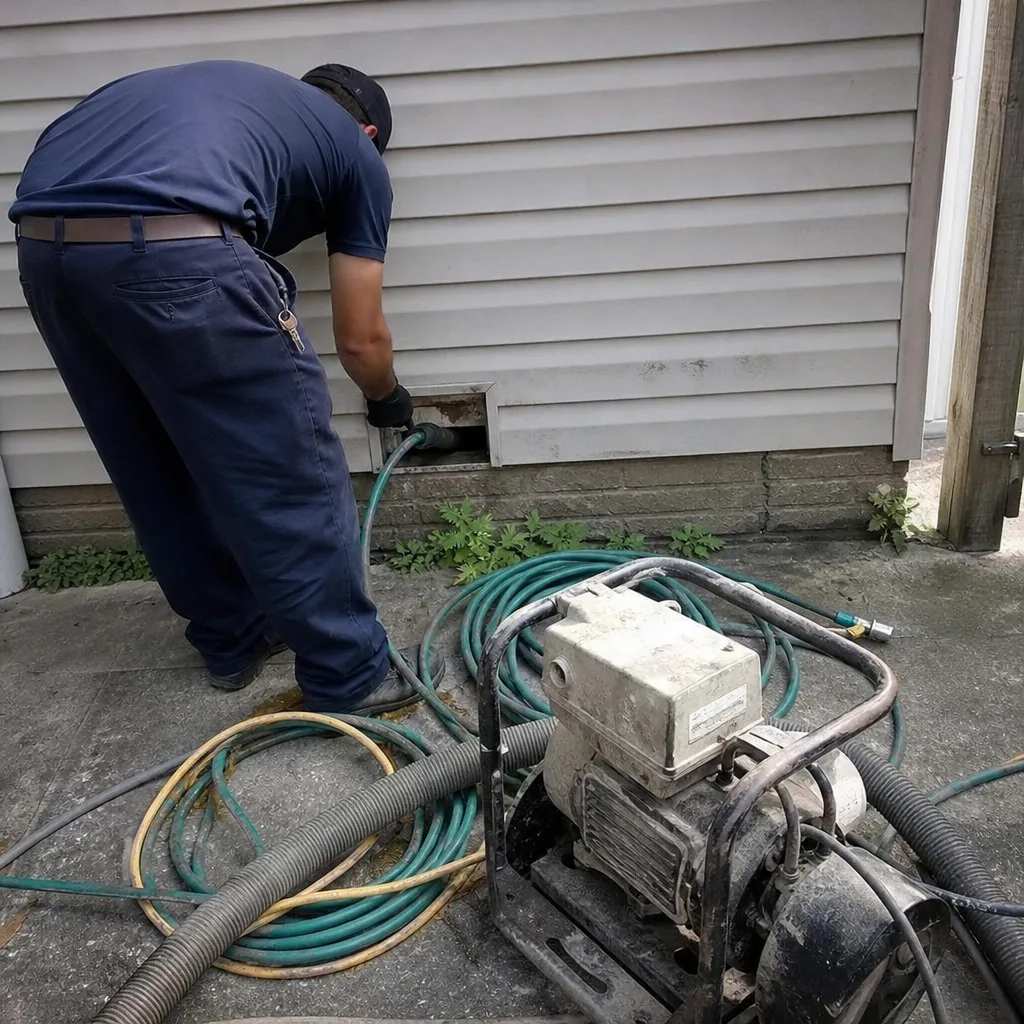
Whole-system duct and dryer vent check with before-and-after photos - you see exactly what came out of your vents
That "$99 whole-house special" is a bait ad - the real number appears once they are in your hallway, or the "clean" is a shop-vac at the register. We photograph the inside of your ducts before and after instead.
Air Duct Cleaning Troubleshooting in Norfolk: Common Problems and How to Fix Them
If your vents were cleaned six months ago and you’re still getting that stale smell when the AC kicks on, the problem probably isn’t dirt. It’s something the cleaning missed or couldn’t reach. Here’s the counterintuitive part most homeowners never hear: the symptoms you’re trying to diagnose – uneven airflow, musty odors, dust that returns within weeks – are usually mechanical signals, not cleanliness signals. A collapsed flex duct, a joint that pulled apart behind a wall, or a damper stuck shut will keep producing the same problems no matter how many times someone runs a brush through your system. In this guide, we’ll walk you through how to read those signals, separate a cleaning problem from a duct repair problem, and understand what Norfolk’s humidity and older housing stock actually do to a duct system.
Quick Answer
Most persistent duct problems in Norfolk come down to one of three causes: the ducts were never actually cleaned properly, a duct component is physically damaged or disconnected, or the airflow is imbalanced by a static pressure issue that cleaning can’t correct. If the problem keeps coming back after a cleaning, the odds are it’s a repair issue – a loose joint, a collapsed flex run, or a failed damper – not leftover dirt. A proper diagnosis with a camera inspection, not a flashlight glance, is what tells you which of the three you’re dealing with.
Styles & brands we work with
- Whole-home duct cleaning
- Dryer vent cleaning
- Camera inspection
- Sanitizing & deodorizing
Table of Contents
- How Do You Tell a Dirty Duct From a Damaged Duct?
- Why Does the Musty Smell Come Back After Cleaning?
- Why Are Some Rooms Always Hotter or Colder?
- What Norfolk Conditions Speed Up Duct Problems?
- Camera or Flashlight: How Do You Judge an Inspection?
- When Is a Dryer Vent the Real Problem?
- What Can You Troubleshoot Yourself?
- Common Mistakes to Avoid
- When to Call a Professional
How Do You Tell a Dirty Duct From a Damaged Duct?
The difference matters because one is solved by cleaning and the other never is. Dirt accumulation is gradual – it builds over months, produces visible dust at the registers, and responds to a proper cleaning. Damage is abrupt. A flex duct that collapsed under its own weight, a trunk joint that separated, or a damper blade that snapped off its shaft produces the same weak airflow every single day, regardless of how clean the interior is.
Here’s how to start sorting the two in your own home. The pattern of the problem tells you a lot, and so does its timing.
- Airflow is weak in one room but normal everywhere else. This points to damage or a disconnected run feeding that room, not general dirt. A duct that’s fully blocked by debris is rare; a joint that pulled apart in a slab or chase is common.
- Dust appears at every register within a few weeks of cleaning. That leans toward a source the cleaning couldn’t reach – unsealed joints pulling attic or crawlspace air into the system. We address that under air duct cleaning and repair together, because cleaning a leaking system without sealing it just re-dirties the ducts.
- Airflow drops noticeably when the system runs and stays low. A stuck damper blade sitting across the duct or a collapsed flex run can choke a whole branch.
- The problem started after a renovation or HVAC swap. Ducts get crushed or disconnected during work more often than people realize. A quick look inside the trunk line usually settles it.
If you’re not sure which category you’re in, the answer usually comes from a camera run through the system. Judging this from the register grille alone is guesswork, and guesswork is how people end up paying for a second cleaning that doesn’t fix anything.
Why Does the Musty Smell Come Back After Cleaning?
Because the smell wasn’t in the dust you had removed. A musty odor that returns within weeks of a cleaning is a moisture signal, and moisture has three usual sources in a duct system: the evaporator coil, the duct liner, or the condensate drain pan. Cleaning the ducts doesn’t touch any of them if the technician only cleaned the ductwork.
Here’s what each source actually looks like, and how to tell them apart:
- Evaporator coil. The coil sits in the air handler and stays wet most of the cooling season. Dust that settles on a wet coil grows a biofilm, and the blower pushes that smell through every supply register. The tell is a smell strongest right when the AC starts, then fading as the system runs.
- Duct liner. Many older duct systems have a fibrous interior liner. If that liner has absorbed moisture – common in a humid climate – it holds odor and can’t be brushed clean the way bare metal can. The tell is a smell that’s worse in specific rooms rather than uniform through the house.
- Condensate drain pan. A pan that isn’t draining fully leaves standing water. The tell is a smell from the air handler closet or closet floor, plus a musty edge to the air closest to the unit.
Verifying which one you’re dealing with is a physical inspection, not a smell test. It means opening the air handler, checking the coil fins, looking at the pan for standing water, and running a camera through the liner. In our experience across Norfolk homes, the coil and pan are checked too rarely during a standard cleaning – which is exactly why the smell comes back. If a company won’t open the air handler to look, they can’t answer this question for you. We use Abatement Technologies containment and negative-air equipment so that when we do find the source, the disturbance doesn’t spread debris through the rest of the house.
Why Are Some Rooms Always Hotter or Colder?
Usually because of static pressure, not dirt. Static pressure is the resistance air meets as it moves through the system. When it’s too high, the blower can’t push the designed volume of air, and the rooms at the far end of the longest duct runs get starved first. A bedroom above a garage or at the end of a long trunk is almost always the first casualty. Cleaning the ducts can’t lower static pressure. In some cases, cleaning actually makes it worse – a heavy layer of dust on the interior of flex duct can act as insulation, and once it’s removed, the duct can lose a little of that cushioning. If the system was already right at the edge of its capacity, the symptom can shift.
What actually causes high static pressure:
- Undersized return air. If the return can’t pull enough air back to the blower, no amount of cleaning fixes the supply side.
- Too many turns and long flex runs. Every bend costs airflow.
- Clogged or restrictive filters. The filter is the first thing air hits, and a high-MERV filter on a system not designed for it can choke the blower.
- Dampers set wrong at the trunk. A balancing damper closed too far on one branch starves every register downstream.
If uneven temperatures are your main complaint, ask the technician to measure static pressure and report the numbers. A real diagnosis involves instrument readings, not just a visual walk-through. When a system reads high, a proper balancing pass, a filter change to the right MERV rating, or a duct repair to reseal a crushed run can solve what a cleaning never will. Our team uses Honeywell and Aprilaire familiarity to recommend filtration that fits what your blower can actually handle, rather than oversizing the filter and making the pressure problem worse.
What Norfolk Conditions Speed Up Duct Problems?
Humidity and older housing stock, mostly. Norfolk’s summers run heavy on moisture, and a duct system that runs through unconditioned space – an attic, a crawlspace, a garage – spends the cooling season surrounded by humid air. Any gap in the duct envelope pulls that air in, condenses it on cold surfaces, and sets up the conditions for liner odor, joint failure, and rusted fittings. A duct system that stays sealed in a dry climate may run for decades; the same system with a loose joint in Norfolk’s humidity starts showing problems much sooner.
The housing stock matters too. Older homes around Ghent and Park Place often have duct systems that were retrofitted into spaces not designed for them: flexible runs squeezing through tight chases, joints pulled behind plaster, and trunk lines running through unconditioned crawlspaces. Slab construction on the Southside introduces a different problem – ducts run under the slab, where a breach is hard to find and impossible to see. That’s a strong reason to use a camera rather than a flashlight when something seems off.
What this means practically:
- Older retrofitted systems deserve a camera inspection whenever symptoms persist, because the damage is often in a spot you can’t see from a register.
- Homes with ducts in the attic or crawlspace should have joints checked during any cleaning – a visual pass isn’t enough.
- Homes on a slab should be inspected from the trunk line inward, with airflow readings at each register to identify which run is losing air.
We’ve seen all three situations in Norfolk often enough that a proper inspection is the first step we take, before we talk about cleaning at all. If you’re a property manager responsible for several units, the same logic applies building by building – the diagnosis has to come first. Learn more about our Norfolk service and what we look for.
Camera or Flashlight: How Do You Judge an Inspection?
If the technician never put a camera into the ductwork, the diagnosis is incomplete. That’s the simplest rule to hold onto. A flashlight pointed into a register shows you the first few inches. A camera on a flexible rod can travel through the whole run, show you a collapsed section under a floor, confirm whether a joint has separated, and let you see the interior of the trunk line where a damper sits. The gap between those two levels of thoroughness is the difference between finding a repair and guessing at a cleaning.
Here’s what a real inspection should involve:
- Access openings cut at the trunk and the plenum. Real duct cleaning requires service access – reaching the duct from a register grille alone doesn’t count.
- Camera run through the main trunk and the longest branch. You don’t need every inch inspected, but the problem area is almost always the longest, most restrictive, or most damaged run.
- Static pressure readings at the air handler. A number, not a description.
- Before-and-after photos of your own ducts. Not stock images. On your system, from your inspection.
A flashlight-only inspection is fine for a rough look at the register, but it can’t diagnose a flex collapse, a separated joint in a chase, or a failed damper – which are three of the most common causes of persistent airflow problems. When we inspect Norfolk systems, we use professional-grade Rotobrush rotary brush equipment and Nikro HEPA-filtered vacuums, and our camera work is what tells us whether a system needs cleaning, repair, or both. Ask any company you’re considering what kind of inspection they do. The answer tells you a lot.
When Is a Dryer Vent the Real Problem?
Sometimes the duct problem isn’t in the HVAC ducts at all. A dryer vent that’s clogged with lint produces symptoms people often blame on the air system: a musty or hot smell in the laundry area, clothes taking longer to dry, and a dryer that shuts off mid-cycle from overheating. Dryer vent cleaning is a dedicated category of work, not a cheap add-on to air duct cleaning, and it’s one most duct cleaners skip or underperform. The fire risk is why it matters. Lint is highly flammable, and a vent that’s packed full of it over time is a documented hazard in any home.
Signs your dryer vent needs attention:
- Clothes take noticeably longer to dry than they used to, especially heavier loads.
- The top of the dryer gets unusually hot during a cycle.
- The laundry area smells musty or hot even when the dryer isn’t running.
- The exterior vent flap doesn’t open wide during a cycle.
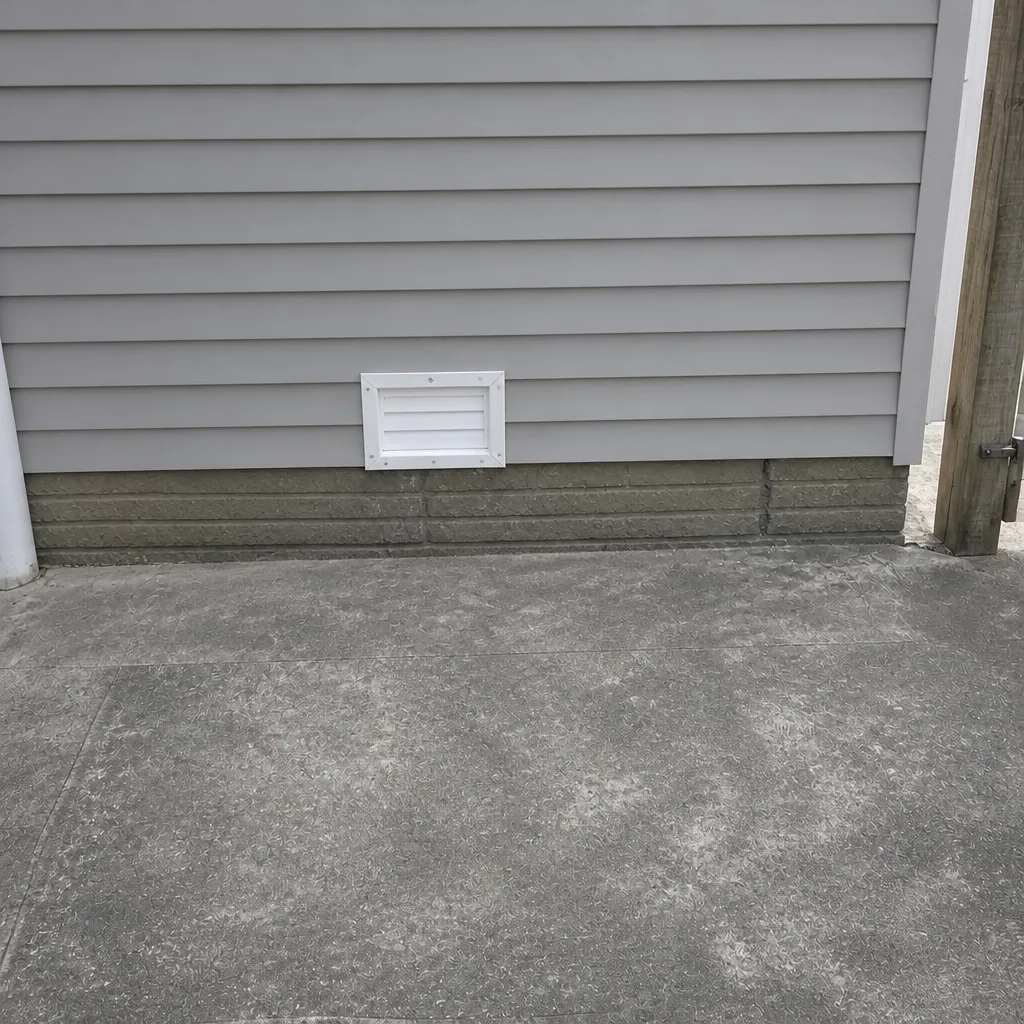
Verifying the vent is clear is a physical job: the duct has to be brushed and vacuumed from the dryer outward to the exterior termination, and the termination checked for a stuck flap or a crushed section. A dryer vent that runs through an attic or a long exterior wall is the highest-risk version of this problem, because bends and length trap lint that a short run would pass through. We treat dryer vent cleaning as a fire-risk service, not a routine upsell, and we inspect the full run rather than just vacuuming the first stretch. If your dryer is slow and the vent has never been cleaned, this is worth a look before anything else.
What Can You Troubleshoot Yourself?
Register grilles, filters, and air balance are all fair game. Duct interiors, dampers, and the air handler are not. Here’s the line we recommend homeowners stay behind, mostly because the danger isn’t theoretical – high-voltage wiring runs to the air handler, and reaching into ductwork can put your hands near live components or sharp metal edges you can’t see.
Safe, productive things to check yourself:
- Register grilles. Look at the grille faces and confirm they aren’t blocked by furniture, rugs, or return grilles sealed by a bookshelf. This solves more “weak airflow” complaints than you’d expect.
- Filters. Check the filter in the air handler every month during cooling season. Change it when it’s visibly loaded or per the manufacturer’s interval. Confirm the MERV rating isn’t higher than the system was designed for.
- Return air path. Walk through the house and confirm every return grille is unobstructed. A closed return door in a closet or a piece of furniture on a floor return starves the whole system.
- Exterior vent flap. Go outside and look at the vent termination while the system runs. Is it open? Stuck? Blocked by debris?
- Dryer vent termination. Same check for the dryer vent – the flap should open freely during a cycle.
Don’t reach into the ductwork, don’t remove the air handler cover, don’t disconnect flex runs to look inside, and don’t try to adjust dampers you can’t see. Those are the jobs that call for a technician, and the safety margin of having someone trained do the work is the point. Our technicians have up to 14 years of experience with this work across Norfolk homes, and the calls that worry us most are the ones where a homeowner tried to fix something inside the duct and got hurt or made the system worse.
Common Mistakes to Avoid
- Assuming cleaning is the answer before a diagnosis. If the actual problem is a collapsed flex run or a disconnected joint, cleaning it produces no change and you’ll wonder why the money didn’t stick. Confirm what you’re paying for before you schedule it.
- Accepting a flashlight-only inspection on a persistent problem. A technician who never used a camera can’t tell you whether the duct is dirty or damaged. In a Norfolk home with ducts in a crawlspace or a slab, that gap is where the answer usually lives.
- Treating a musty smell as a duct dirt problem. Odor that returns after a cleaning almost always traces to the coil, liner, or drain pan. If the air handler wasn’t inspected, the source wasn’t found.
- Chasing uneven temperatures with repeated cleanings. A room that runs hot or cold is usually a static pressure issue. Cleaning can’t lower pressure, and if the system was already near its limit, removing a dust layer can change airflow in ways you didn’t expect.
- Skipping dryer vent cleaning because the ducts were just done. These are two separate systems. A dryer vent packed with lint is a fire hazard regardless of what shape your HVAC ducts are in.
- Not asking for before-and-after photos. A reputable job produces photos of your ducts, before and after, not stock images. If the company doesn’t have them, the work can’t be verified.
- Hiring a company that can clean but can’t repair. If you find a damaged joint during the cleaning, you want one company to fix it. We don’t just clean what’s there – we fix what’s broken, which is why duct repair is its own service with us.
When to Call a Professional
Call when symptoms persist after a cleaning, when airflow drops off in a specific room and stays low, when a musty smell returns within weeks, or when you’re not sure whether your ducts need cleaning or repair. A camera inspection is the deciding step for all four. Call when you’ve just bought a Norfolk home and don’t know the last time the ducts or the dryer vent were serviced. Call when a renovation touched the HVAC system and something feels off afterward. And call if you’re a property manager dealing with a tenant complaint you can’t diagnose. Duct Cleaning Norfolk offers free estimates in Norfolk – call (833) 519-7500. We answer 24/7, and fast dispatch runs from 7am to 7pm, Sunday through Friday. If you call outside dispatch hours, we’ll book you into the next opening. There’s no service-call fee to look at your system, and the price is set per job by the written estimate before any work starts.
See the difference
 Before
 After
 Before
 After
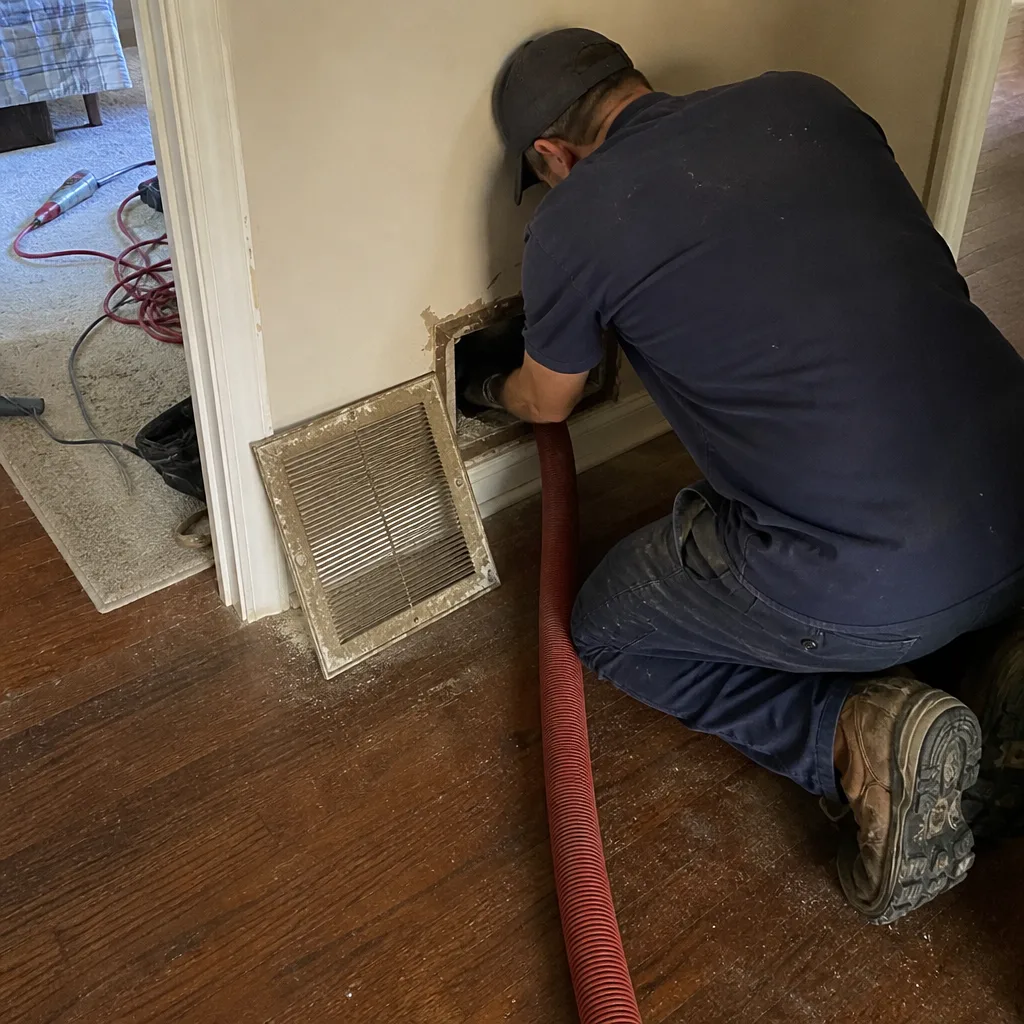 Before
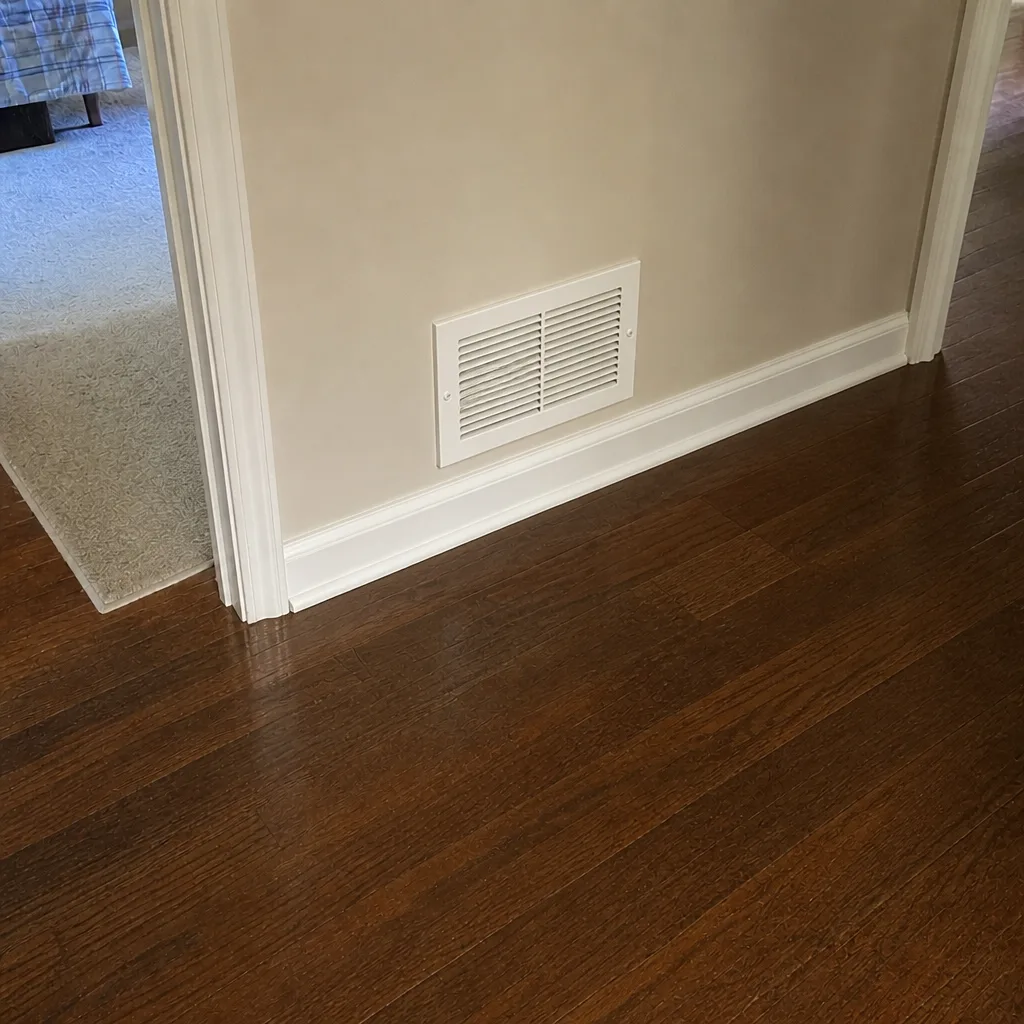 After
Frequently Asked Questions
Air duct cleaning in Norfolk is priced per system, not per vent, so the range depends on the size of the system and whether repair work is needed. That’s deliberate. Homeowners are used to a low teaser price that becomes a much larger invoice once the technician is inside the house, and the way we avoid that is to give one flat price for the whole system, agreed in writing before work starts. Call (833) 519-7500 for an exact quote – estimates are free.
Because the low quote usually isn’t for the same job. A cheap price often means a flashlight inspection, a shop-vac setup instead of contractor-grade equipment, and no repair capability. Our team uses Rotobrush rotary brush machinery, Nikro HEPA-filtered vacuums, and Abatement Technologies negative-air containment so debris is captured, not redistributed through your home. A quote that doesn’t include an inspection, real access, and before-and-after photos isn’t a lower price – it’s a shorter job. Call (833) 519-7500 for a quote that includes the whole scope.
Ask for before-and-after photos of your own ducts. A company that uses contractor-grade equipment and does the work should be able to show you what was removed and what the ducts look like afterward, not stock photos lifted from a manufacturer’s website. We document the job that way as a habit, not a request. If a company can’t produce photos of your system, that’s the answer to the question.
There’s no universal interval – it depends on the home. Ducts that have visible dust at the registers, that smell when the system starts, that have just been through a renovation, or that are feeding a system with a chronic filter problem are worth a look. Norfolk’s humidity also means homes with ducts in unconditioned spaces should be checked sooner if they’re showing airflow or odor problems. Call (833) 519-7500 for an inspection that tells you whether cleaning is the answer.
Yes. Duct repair is a standalone service with us, which means we can clean what’s there and fix what’s broken without sending you to a second contractor. If a camera inspection finds a collapsed flex run, a disconnected joint, or a failed damper, we quote the repair as part of the same visit. Call (833) 519-7500 to schedule a diagnosis.
Cleaning removes accumulated dust, debris, and contaminants from inside the duct system, and for many homeowners with allergies that’s a step worth taking – provided the ducts don’t have a moisture problem or a leak pulling in outdoor or crawlspace air. If those problems exist, cleaning alone won’t solve the allergy complaint; the source has to be fixed. A diagnosis tells you which situation you’re in. Call (833) 519-7500 to find out.
Sometimes. A filtration upgrade makes sense when the system’s static pressure and blower capacity support the higher-pressure media, and it doesn’t make sense when the system is already at its limit. We’re familiar with Aprilaire and Honeywell products and can recommend the right one for your system based on pressure readings, not a sales pitch. A Guardsman-style return grille filter or a whole-house media filter may be all you need, depending on how the blower’s performing. The recommendation should follow the measurement, not precede it.
The Bottom Line
Persistent duct problems are diagnostic signals, and reading them correctly saves you from paying for cleanings that don’t work. The three-symptom shortlist is this: dust that returns fast usually means a leak, airflow that’s weak in one room usually means damage, and a musty odor that comes back usually means moisture in the coil, liner, or drain pan. Norfolk’s humidity and older housing stock make those three more common here than in dry climates, which is why a camera inspection – not a flashlight look – is the deciding step. Cleaning is a real service, repair is a real service, and dryer vent cleaning is its own safety service. They’re separate for a reason. If you want a crew that does all three and tells you which one you actually need, call (833) 519-7500 for a free estimate. We answer 24/7. Fast dispatch from 7am to 7pm, Sunday through Friday.
Written by the team at Duct Cleaning Norfolk.