
Last updated November 15, 2026
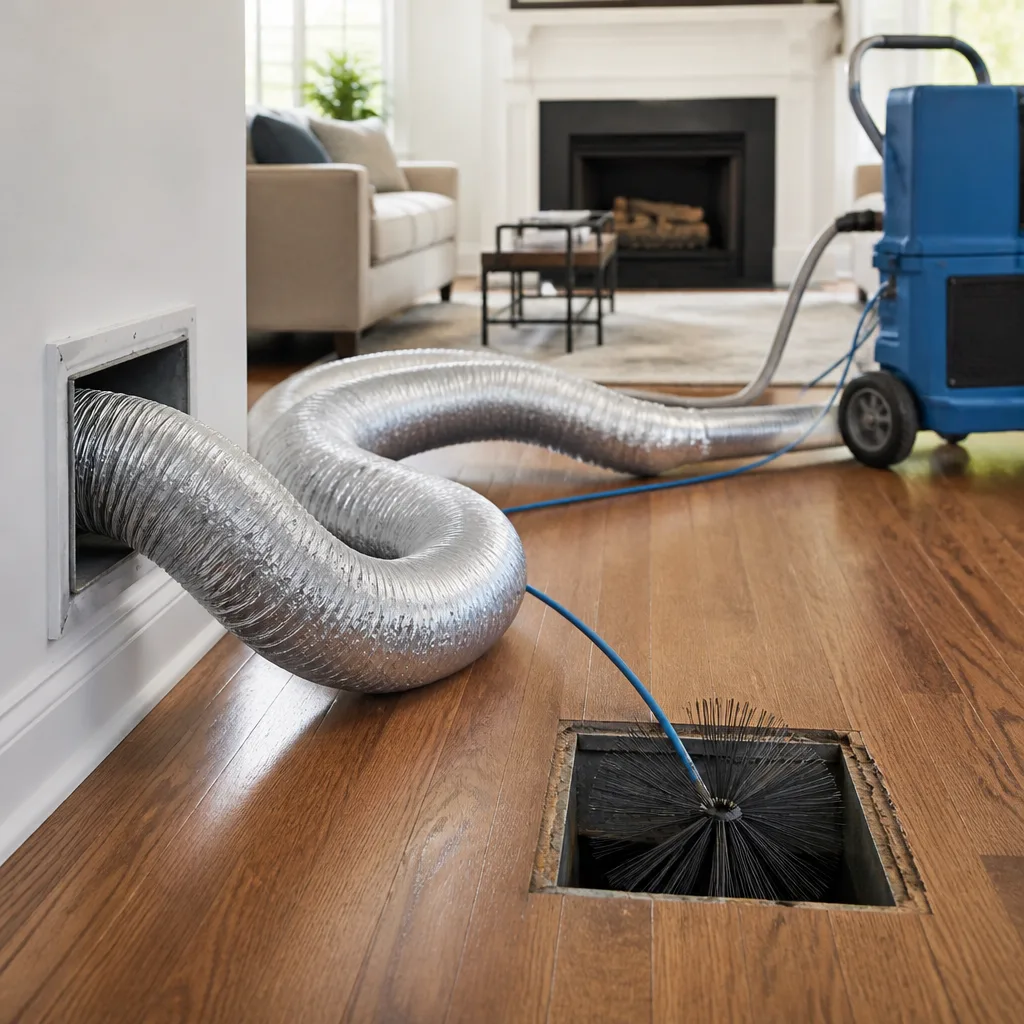 Whole-home duct cleaning
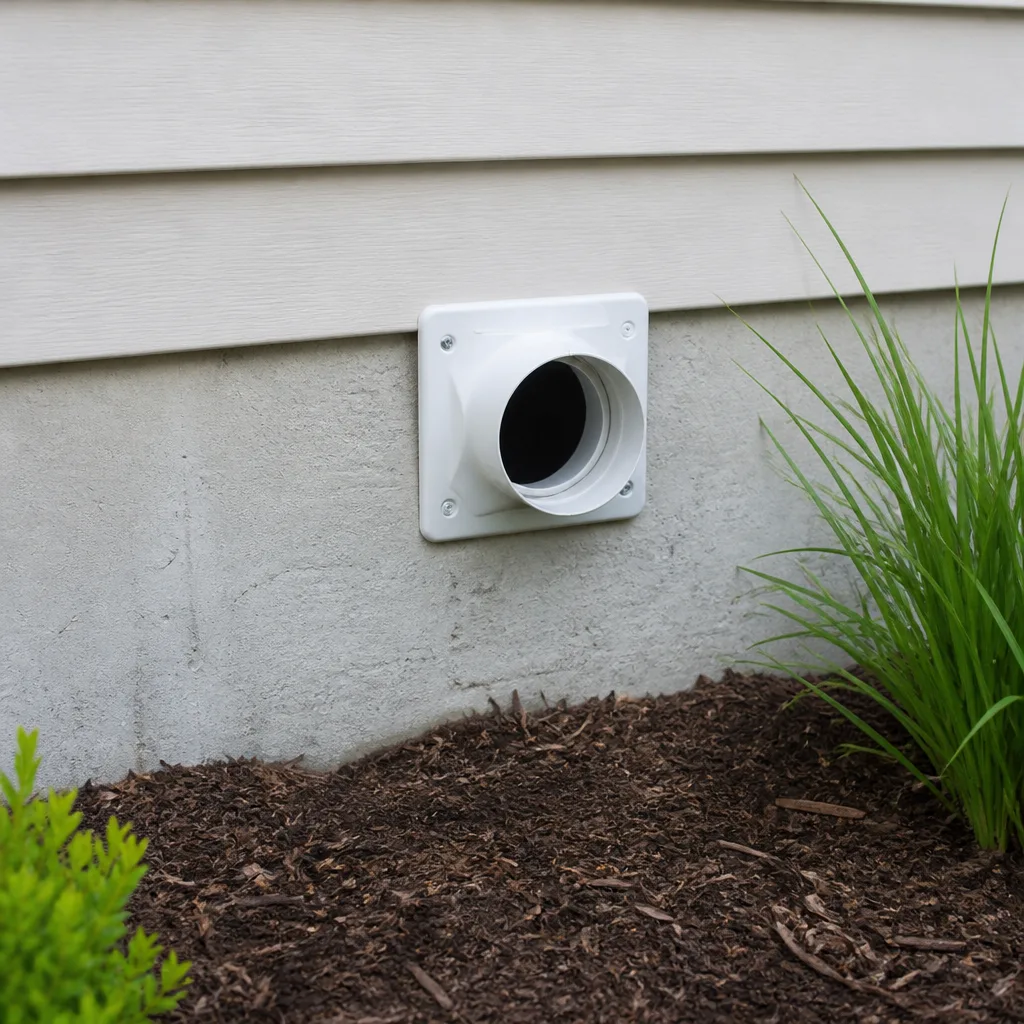 Dryer vent cleaning
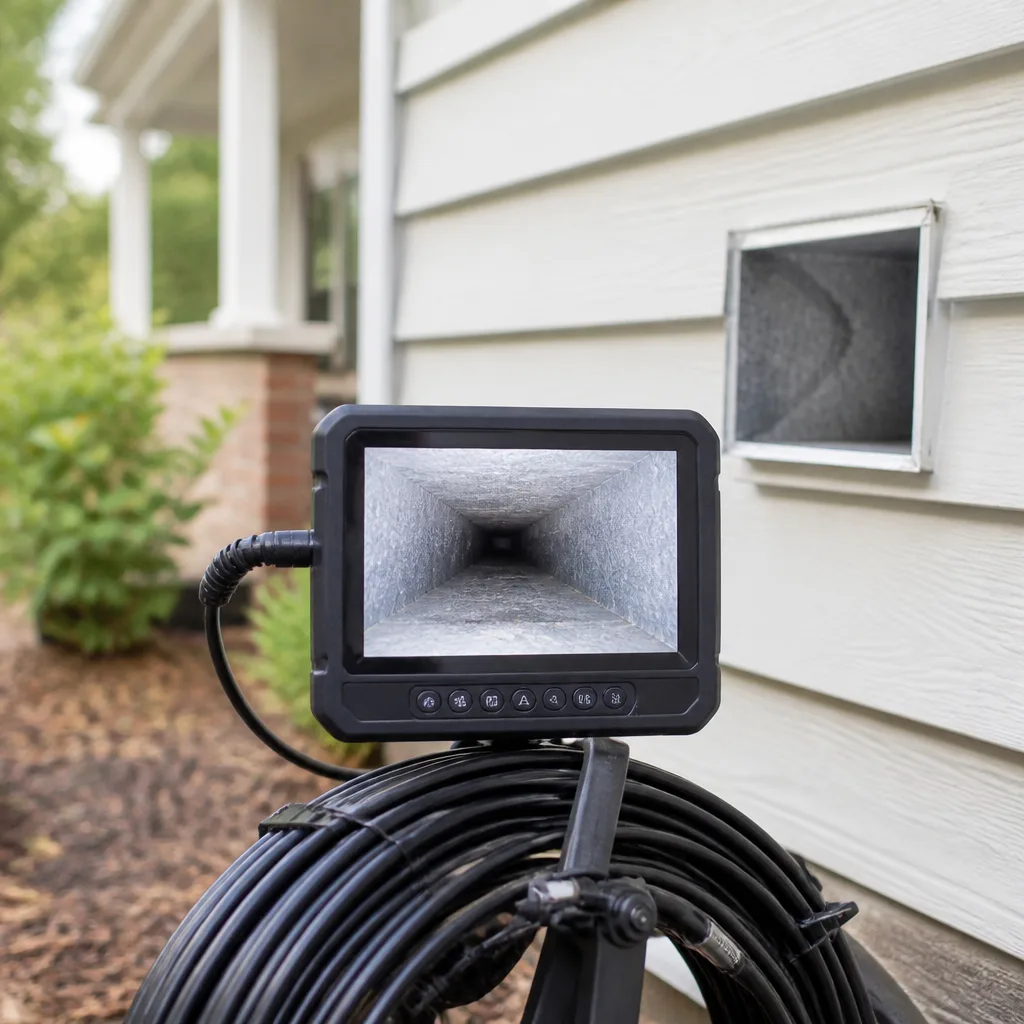 Camera inspection
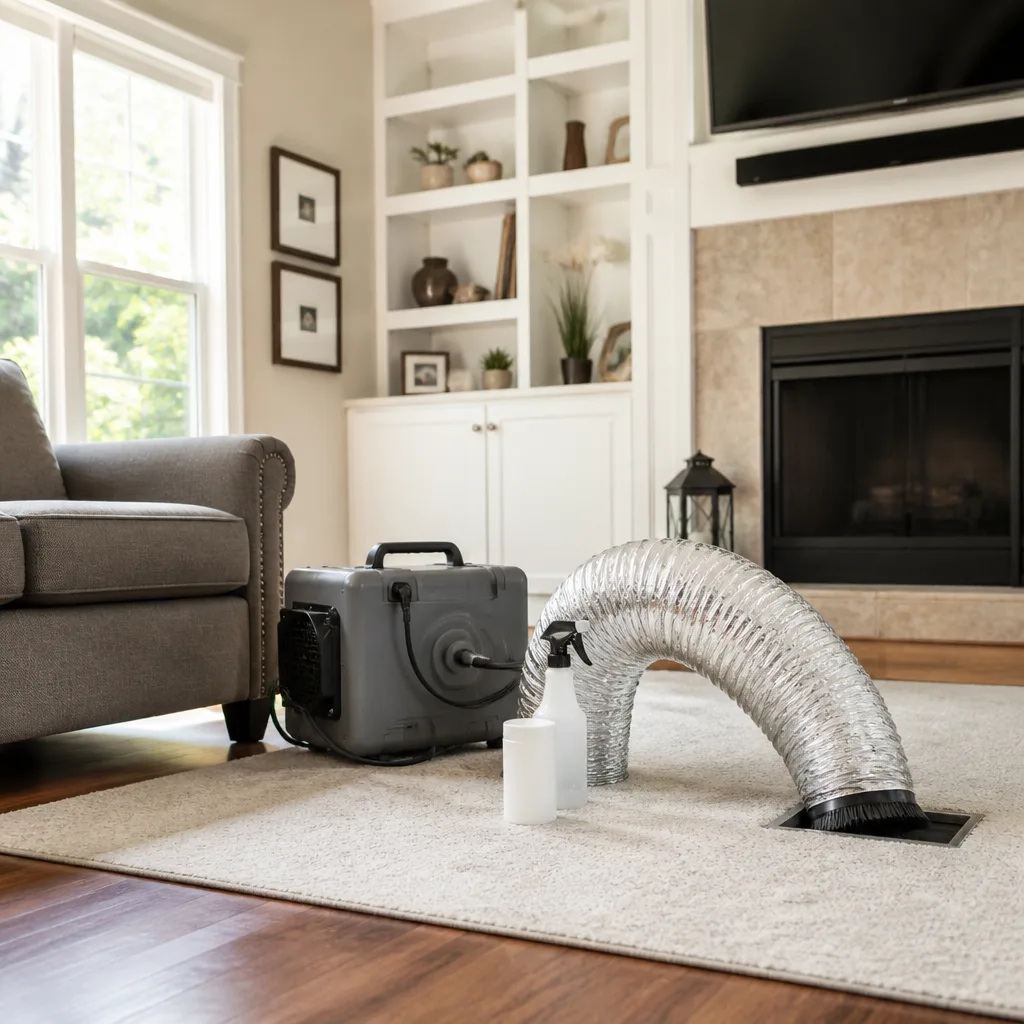 Sanitizing & deodorizing
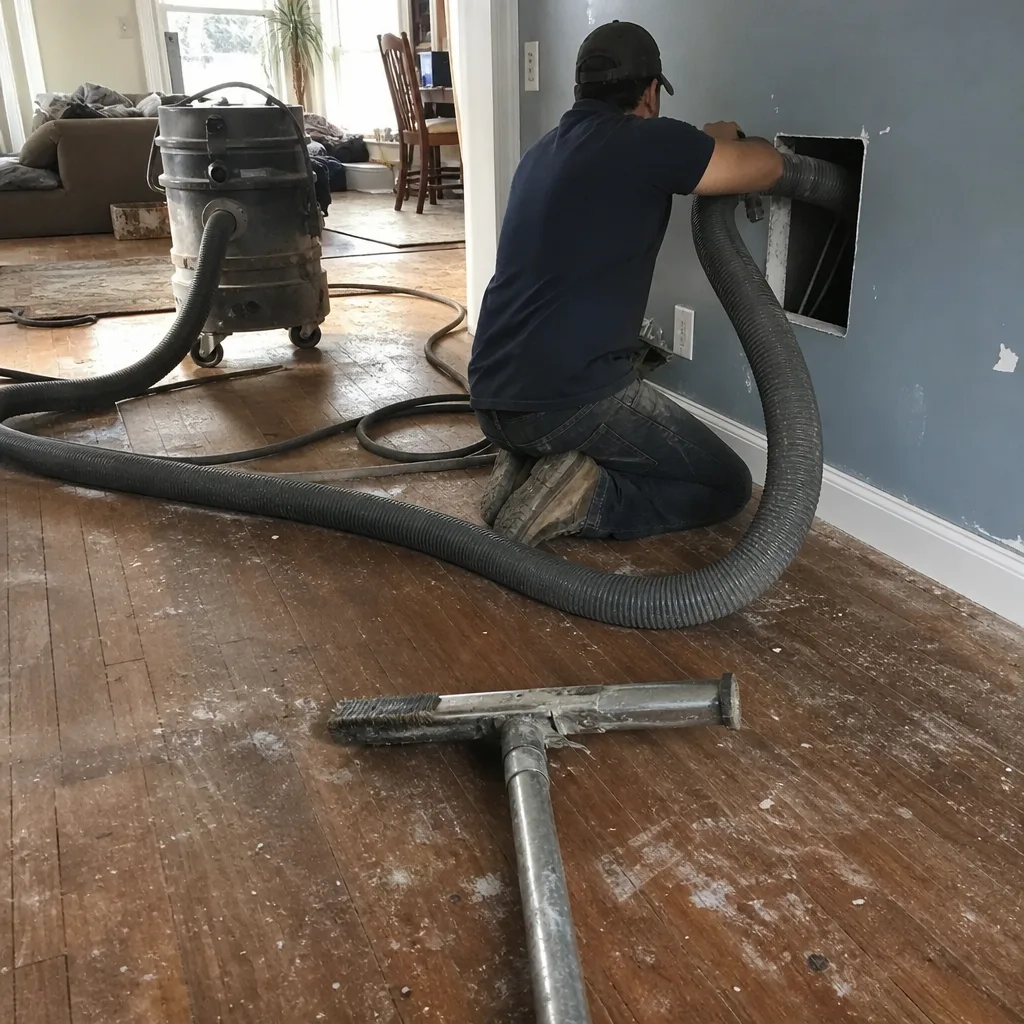
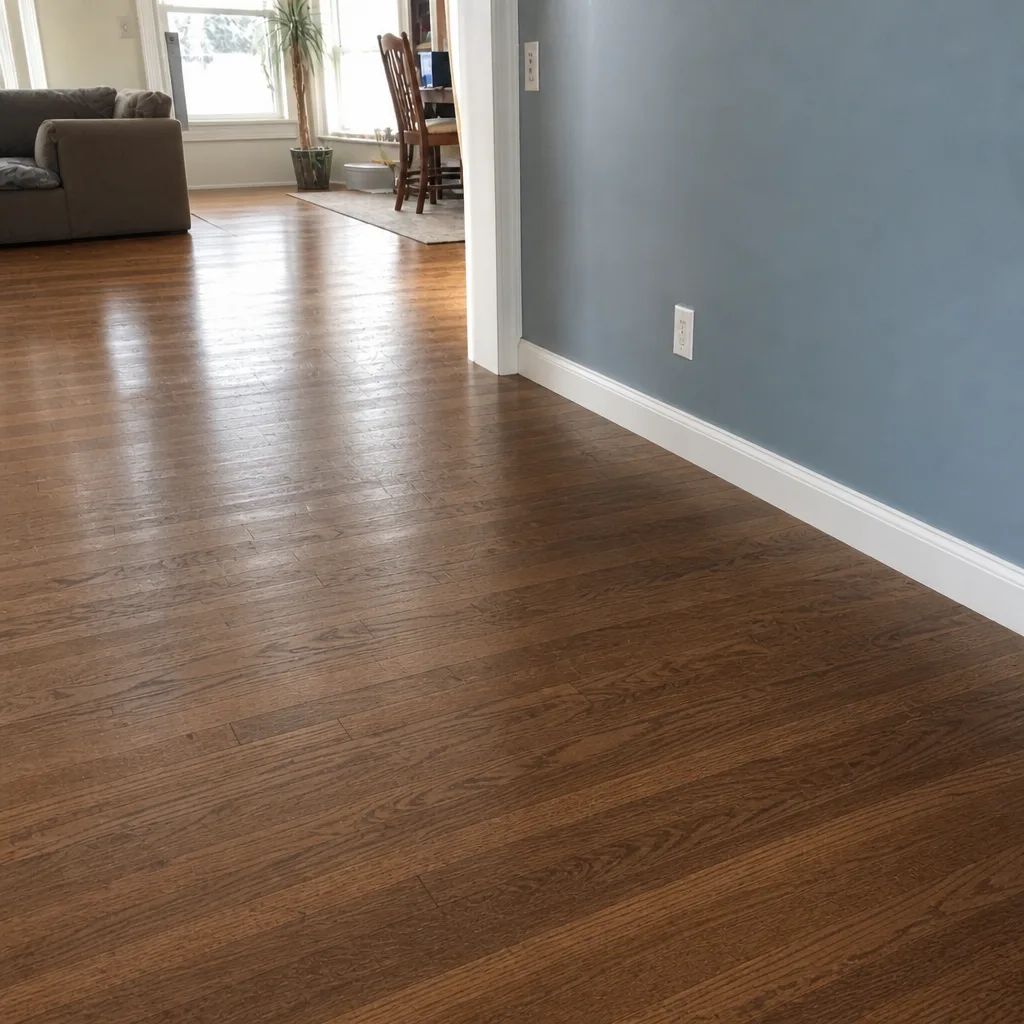
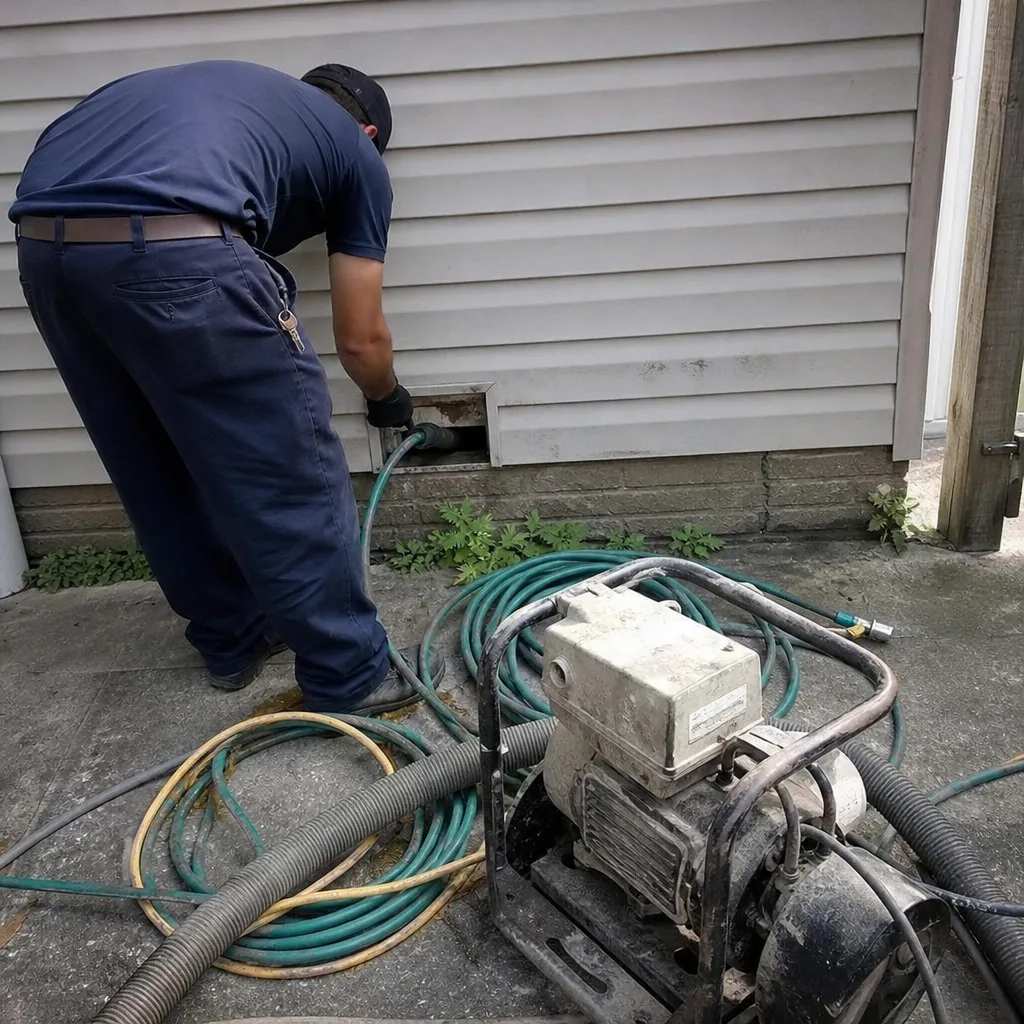
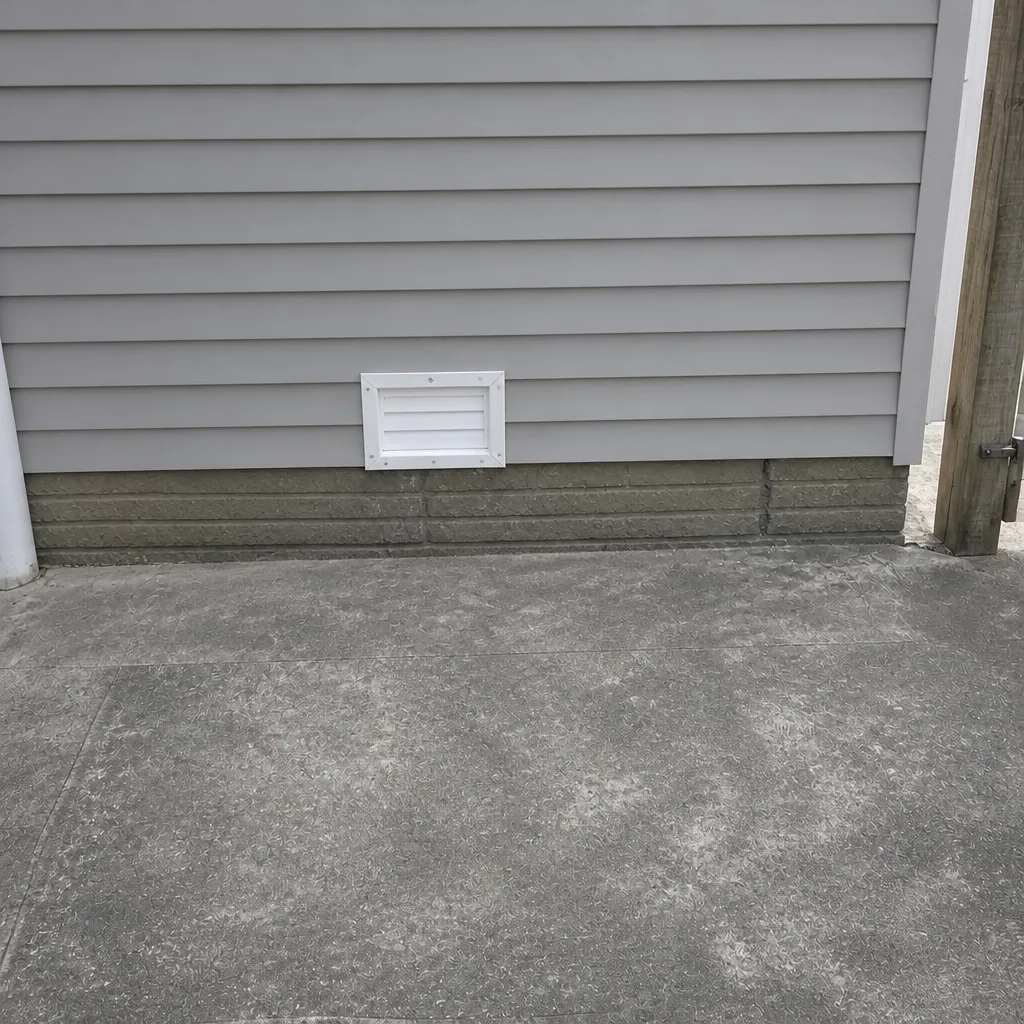
Whole-system duct and dryer vent check with before-and-after photos - you see exactly what came out of your vents
That "$99 whole-house special" is a bait ad - the real number appears once they are in your hallway, or the "clean" is a shop-vac at the register. We photograph the inside of your ducts before and after instead.
Air Duct Cleaning Warning Signs: A Norfolk Homeowner’s Reference Guide
Most homeowners judge their ductwork by what they can see at the vent: a little dust on the grille, maybe a dark ring around the edge. That’s the least useful place to look. The signals that actually matter rarely live at the register. They show up in your electricity consumption, in the way your HVAC equipment behaves under load, in odors that seem to come and go with the weather, and in the aftermath of renovation work in older Norfolk homes. A 15% jump in your June bill isn’t automatically a rate hike story. Restricted airflow forces equipment to run longer, and that cost lands in your consumption data before it lands anywhere else. This guide maps each symptom to its likely cause so you can tell the difference between a real duct problem and something else entirely. We’ll cover Norfolk once in each section where it matters, because the housing stock and the humidity here shape what goes wrong.
Quick Answer
The main warning signs that a Norfolk home needs duct cleaning are a sustained rise in heating or cooling costs without a rate change, uneven room temperatures, musty odors that return after cleaning the vents, visible dust streaks around registers, and a recent renovation near ductwork. None of these signs alone proves contamination, but two or more together usually justify an inspection. If your ducts are also damaged or leaking, cleaning alone won’t solve it, and you’ll need a repair assessment alongside the cleaning quote.
Styles & brands we work with
- Whole-home duct cleaning
- Dryer vent cleaning
- Camera inspection
- Sanitizing & deodorizing
Table of Contents
- Reading Your Energy Bill as an Airflow Gauge
- Musty Odors: Duct vs. Drain Pan vs. Coil
- Why Some Rooms Stay Cold or Hot
- What Visible Mold at a Register Actually Means
- Post-Renovation Warning Signs in Older Norfolk Housing
- What Professional Equipment Reveals That a Shop-Vac Can’t
- Dryer Vent Warning Signs: A Separate Safety Category
- How a Professional Inspection Actually Works
Reading Your Energy Bill as an Airflow Gauge
A dirty duct system is an airflow restriction, and an airflow restriction is an efficiency tax. When contamination builds on duct walls and around the blower, the system has to push harder and run longer to move the same amount of conditioned air. Your HVAC equipment doesn’t know why it’s working harder. It just draws more power. That shows up in your consumption before it shows up anywhere else, which makes your utility bill the earliest diagnostic tool most homeowners already have.
Here’s how to read it without guessing. Pull the same month from two or three previous years, because Norfolk’s summer cooling load varies from year to year and a single-month comparison will mislead you. Compare kilowatt-hours, not dollars, since rate adjustments can mask or exaggerate a real trend. Then look for these patterns:
- 5% to 10% increase with no change in habits, family size, or equipment: worth noting, not yet alarming. Check the filter and the outdoor unit first.
- 15% or more over the same period last year, sustained across two billing cycles: this is the threshold where we’d want to inspect the duct system, especially if the home is more than 20 years old or has had renovation work.
- Costs climbing every year in a straight line while equipment age stays constant: a classic slow-restriction pattern, usually contamination plus small leaks adding up.
- Costs that spiked right after a renovation, a new roof, or HVAC replacement: construction debris and disturbed insulation are common culprits, and this pattern deserves a look even if the increase is small.
One caution: bill increases have many causes. A failing compressor, a refrigerant leak, a duct that’s come loose in the attic, or a thermostat that’s drifted will all produce the same signal. What makes the bill useful as a warning is that it narrows the question. It tells you to look at the system’s airflow rather than the weather, and that’s a much shorter path to the right answer. In Norfolk, where cooling season runs long and equipment works hard, small airflow problems compound faster than they would in a cooler climate.
Musty Odors: Duct vs. Drain Pan vs. Coil
A musty smell in the house is the most misunderstood duct symptom there is, because three different problems produce almost the same odor and each one needs a different fix. Homeowners often pay for duct cleaning and then find the smell is back within a week. That’s not a cleaning failure. It’s a diagnostic miss. The smell was never coming from the ducts.
The distinguishing feature is timing. Where and when the odor appears tells you which component is responsible:
- Duct odor: the smell is strongest at the registers when the system starts up, then fades as air moves. It often varies by room, with some registers smelling worse than others. It returns after the system has been off for hours. This points to contamination on duct surfaces, and cleaning is the right response.
- Drain pan odor: the smell concentrates near the air handler or in a closet, utility room, or hallway where the indoor unit sits. It’s most noticeable in humid weather and can carry a sour, stagnant note rather than a pure musty one. This is standing water in the condensate pan, and it needs the pan cleaned and the drain line checked, not the ducts.
- Coil odor: the smell appears when the system starts cooling, is strongest in the first few minutes, and often carries a slightly dirty, metallic undertone. The evaporator coil sits wet for most of Norfolk’s cooling season, and a coil with a biofilm layer will smell every time the system kicks on. Cleaning the coil is a separate service from duct cleaning.
There’s a fourth possibility worth ruling out: a disconnected or leaky return duct pulling air from a crawlspace, attic, or wall cavity. In Norfolk’s older housing stock, crawlspace returns are common, and when a joint comes apart the system pulls humid crawlspace air straight into the house. That produces a damp, earthy smell that follows the system’s schedule exactly. It won’t clear with cleaning, because the contamination source is outside the duct system. If the odor is worse on humid days and strongest near the floor registers, ask for the duct system’s connections to be checked before anything is cleaned.
Our technicians have up to 14 years of experience, and the single most common diagnostic miss we see is a homeowner who’s been sold a cleaning for a problem that lives in the drain pan or the coil. A technician who walks in and quotes before looking at the air handler isn’t diagnosing. That’s a red flag on its own.
Why Some Rooms Stay Cold or Hot
In most Norfolk homes with uneven temperatures, the equipment is working correctly. The problem is distribution. We hear the same pattern constantly: the front bedroom is always five degrees warmer than the living room, or the upstairs never cools down no matter what the thermostat says. The instinct is to blame the air conditioner. Nine times out of ten, the ducts are the reason.
Airflow in a duct system follows the path of least resistance. If one branch is restricted by contamination, a crushed section, or a poorly balanced damper, the air that was meant for that room gets pushed elsewhere. The result is a house with hot spots and cold spots served by a system that’s running right in the middle of its capacity. It’s a distribution problem, not a capacity problem, and adding a bigger unit won’t fix it.
Common causes, in the order we’d check them:
- A contaminated branch run. A long run to a distant room collects more dust than a short one, and the restriction builds gradually until that room can’t keep up.
- Disconnected or separated joints. A flex duct that’s popped off a collar in the attic dumps conditioned air into the attic instead of the room. Common in crawlspace and attic systems, and invisible from the house.
- Crushed flex duct. Flexible ductwork that’s been stepped on, kinked, or compressed against a joist restricts flow worse than most contamination does. A cleaning inspection will spot this visually.
- A misadjusted damper. A balancing damper closed by mistake or set wrong during a prior project. Simple to correct, easy to miss.
- Undersized or poorly designed trunk. Less common, but a real issue in homes with additions built onto older systems. Cleaning won’t fix design, and it’s honest to say so.
Here’s the diagnostic shortcut. If the hot and cold rooms have always been that way, dating back to your first summer in the house, the likely cause is design or a misadjustment. If the unevenness developed over time, gradually, over a few seasons, the likely cause is restriction or a duct that’s come apart. That timing distinction separates a layout issue from a maintenance issue, and it changes what you should actually pay for.
What Visible Mold at a Register Actually Means
Visible mold on the face of a supply register is a symptom, not a diagnosis. It tells you that the surface in question has stayed humid long enough for growth to start. It does not tell you whether the ducts behind that register are contaminated, whether the source of moisture is in the duct system, or how far the problem extends.
In Norfolk, the combination of long cooling seasons and high outdoor humidity means a supply register is a cold surface in a warm room. Condensation forms on cool metal grilles, and that thin film of moisture is enough to support growth on the accumulated dust sitting on the surface. The important question is where the dust came from and whether the moisture is still being supplied.
There are three common patterns, each pointing to a different fix:
- Mold on the register face only. The most common case. The register grille itself stays damp and dusty, and the ducts behind it are relatively clean. Cleaning the grille and addressing the room’s humidity often resolves it.
- Mold on the register face and visible in the first few feet of duct. This suggests the register is being bathed in humid air from a source inside the duct system, usually a return that’s pulling moisture from a crawlspace or attic. This warrants a proper inspection before cleaning, because the moisture source needs to be found first.
- Mold at multiple registers across the home plus a persistent odor. This is a system-wide condition, and cleaning is necessary but usually insufficient on its own. The moisture source needs to be identified, and in some cases an air quality upgrade from a manufacturer like Honeywell or Aprilaire makes sense alongside the cleaning to keep a handle on indoor humidity going forward.
One honest limitation: duct cleaning is not mold remediation. If the growth extends into porous duct liner, ceiling cavities, or structural materials, that’s a remediation scope and needs a different trade. Duct cleaning addresses the contamination inside the duct system, not the biology growing in the walls around it. We’d rather tell you that upfront than sell you a cleaning that won’t solve your problem. For most Norfolk homeowners who see a light dust-mold film at one or two registers, though, cleaning plus humidity control handles it.
Post-Renovation Warning Signs in Older Norfolk Housing
Any renovation that disturbs wall cavities, ceilings, or floors near ductwork can push construction debris into the duct system. This is true everywhere, but in Norfolk’s older housing stock the risk is higher for a specific reason: many homes have duct systems that were retrofitted into a house built for radiator heat, and those systems run through odd, tight cavities that make contamination easy to accumulate and hard to spot. A kitchen remodel that opens a wall next to a return chase can deposit drywall dust directly into the return air path. A flooring project that runs a saw through a ceiling can drop debris onto a supply run.
Watch for these signs in the weeks after any project:
- A visible dust film on horizontal surfaces that reappears within days of cleaning. Normal construction dust settles and stops. Dust that keeps returning is being pushed out through the registers.
- A change in airflow after the project ended. Weaker flow at nearby registers suggests debris blocking a branch or a duct that got crushed during the work.
- A new odor that started with the project. Drywall dust has a distinctive chalky smell when it’s in the air path. So does new insulation.
- Filters loading up faster than usual. If you’re changing the filter every two weeks instead of every two months after a renovation, the debris is entering the return.
There’s also a housing-stock point specific to Norfolk. The city has a large share of homes built before 1980, and a smaller share built before 1950, that were originally heated by radiators and later got central air retrofitted. Retrofit systems tend to have more flexible ductwork, more transitions, and more concealed joints, all of which are places where a renovation’s dust can settle and saturate. If your home was built before 1980 and has a retrofit duct system, and you’ve recently had any interior work done, an inspection is worth doing even if you don’t have symptoms. It’s cheap compared to cleaning after the fact.
The general rule: any renovation within a few feet of a register, return, or duct run warrants a look before the next cooling season. The cost of an inspection is small next to the cost of cleaning a saturated system.
What Professional Equipment Reveals That a Shop-Vac Can’t
Most duct cleaning complaints trace back to one thing: the cleaning wasn’t done with the right equipment. A shop-vac pulls a partial vacuum at the register, sucks up what’s loose near the opening, and stops. Meanwhile the contamination on the duct walls, the debris sitting in the horizontal runs, and the dust on the blower wheel stay exactly where they were. The homeowner paid for the appearance of cleaning, not the substance.
Here’s what professional equipment actually does inside your ducts, and why each piece matters:
- Rotobrush rotary brush system. A spinning brush head that mechanically agitates the duct walls and simultaneously extracts the loosened debris through the same tool. The mechanical action is what removes contamination bonded to the surfaces, which vacuum alone won’t lift. Without agitation, cleaning is cosmetic.
- Nikro HEPA-filtered vacuum. The extraction side of the system, with HEPA filtration that captures fine particles instead of blowing them back into the house. This is the piece that prevents cross-contamination during the work, which is the opposite of what a shop-vac with a coarse filter actually does.
- Abatement Technologies containment and negative-air equipment. The same category of tools used in professional remediation work, which keeps dust under control at the register openings and prevents the physical escape of debris. This is what separates a contained cleaning from a dust cloud with a vacuum attached.
- Inspection cameras and access tools. Because duct systems are hidden, the only honest answer to “is it actually clean” is looking inside. Any cleaning that wasn’t verified with a camera is a guess.
When you’re evaluating a quote, ask two questions: what equipment will actually enter the ductwork, and is it brand-name professional gear. A crew that can name their machinery and explain what each piece does is a crew that’s done real work with it. A crew that says “we use professional equipment” without specifics is telling you they don’t own it. We’re opinionated about this because it’s the difference between a cleaning that solves a problem and one that just quiets a complaint.
Another honest distinction: the air quality upgrade products from brands like Aprilaire and Honeywell are separate from the cleaning itself. A whole-home filtration system or a UV purifier can help manage indoor air quality going forward, and we’re familiar enough with those products to make a recommendation, but we’ll tell you plainly when cleaning alone is the right answer and when it isn’t. Nobody needs a filtration system added to a cleaning that already solved the problem.
Dryer Vent Warning Signs: A Separate Safety Category
Dryer vent cleaning belongs in this guide because the warning signs look nothing alike, and because a clogged dryer vent is a fire risk rather than an efficiency issue. Most duct cleaning companies treat dryer vent cleaning as a cheap add-on and don’t do it properly. It deserves its own category, and it deserves a whole service from a crew that does it as a specialty.
The signs of a restricted dryer vent:
- Clothes taking two or more cycles to dry. The most reliable indicator. A dryer that used to dry a load in one cycle and now needs two is running against a restriction.
- The dryer or the top of the appliance getting hot to the touch during a cycle. Heat that can’t escape through the vent accumulates in the appliance. This is the sign to take seriously.
- A musty or lint-smelling odor in the laundry area. Lint that’s stuck in the vent holds moisture and can develop a smell.
- Visible lint accumulation behind the dryer or around the exterior vent hood. The exterior flap should open freely during a cycle. A flap that stays shut or barely moves indicates a blockage.
- Excess lint on the filter even after every load. Normal filter loading means the vent is likely clear. Unusual filter loading suggests the vent is recirculating lint back into the appliance.
A clogged dryer vent is a documented fire risk. Lint is highly combustible, and dryers generate the heat that ignites it. This is the reason dryer vent cleaning should be a scheduled maintenance item rather than a one-time fix, and the reason we don’t treat it as an upsell. It’s a fire-safety service, full stop. In Norfolk’s humid climate, vent runs that pass through unconditioned space can also trap moisture and encourage lint to compact, which makes a routine check more important than it is in a drier region.
How a Professional Inspection Actually Works
A real inspection tells you three things before anyone touches a cleaning tool: what’s actually inside the duct system, whether the system is damaged or leaking, and whether cleaning will solve the problem or if repair is also needed. If an inspector only looks at the registers and gives you a quote, that’s not an inspection. That’s a sales call.
What a proper inspection involves, in order:
- Review the system layout and history. Where does the air handler sit, where the returns run, what’s the home’s construction type, and has anything been changed recently? This is where Norfolk’s specific housing stock matters most, because retrofit systems and original systems need different inspection paths.
- Inspect the air handler and blower. A blower wheel caked with dust is a strong indicator the whole system needs attention. The coil’s condition gets checked at the same time, since a dirty coil can mimic a duct problem.
- Camera inspection of the duct runs. A borescope sent through a register or access hole shows the actual condition of the duct walls, joints, and transitions. This is where leaks and crushed sections are found, and where the difference between surface dust and true contamination becomes clear.
- Check for disconnected and crushed ducts. Physically verify every accessible joint, and check every flex run for kinks or compression. In older homes this step catches the most expensive problems.
- Verify airflow and pressure. A basic static pressure reading tells you whether the system is working against a restriction. This confirms what the camera suggested and quantifies the improvement available after cleaning.
- Document findings with photos. This is the difference between an opinion and a diagnosis. You should have photos of what was found before the cleaning, and photos of the cleaning results afterward.
If the inspection turns up damage, cleaning alone won’t fix it. We treat air duct cleaning as a core service, but we also offer duct repair as a standalone service because we’ve seen too many homes where a cleaning was sold to fix a disconnected duct. Cleaning a system that’s leaking 20% of its air into the attic is money spent on the wrong problem. If the inspection reveals damage, the right path is repair first or repair in the same visit, not cleaning and a second ticket.
Common Mistakes to Avoid
- Hiring on price alone. A very low quoted price for a whole-home duct cleaning usually means one of two things: the cleaning will be shortcut to fit the price, or the technician will find “additional problems” once they’re on site. Ask what equipment they’ll use before you book, and treat a number far below a reasonable whole-system range as the start of a conversation, not the end of one.
- Assuming a cheaper quote covers the same work. Some quotes are for the registers only. Others are for a rough pass with a shop-vac. Before comparing numbers, ask what each one includes: mechanical agitation, HEPA extraction, containment, and a camera-verified result. The quote that costs less usually specifies less.
- Skipping the inspection on a system you know had a renovation near it. Construction debris is one of the most under-diagnosed contamination sources in Norfolk homes, because it settles silently and doesn’t produce an odor. If your home had interior work done within a few years, get an inspection even if nothing smells wrong.
- Using a shop-vac or a rented unit to clean ducts yourself. A shop-vac pulls a weak vacuum at the register, loosens a bit of surface dust, and generates its own dust cloud from the exhaust. It doesn’t agitate duct walls, doesn’t filter at HEPA level, and doesn’t contain debris. The result is a mess in your house and partly disturbed contamination inside the ducts.
- Treating dryer vent cleaning as a low-priority add-on. This is the one item on the list with a fire risk attached. If you’ve noticed a cycle time that’s stretched or a dryer that feels hot, handle it before the next load.
- Accepting a cleaned result without before-and-after photos. You can’t see inside your ducts. Photos of the actual ductwork, taken during the job, are how you verify the work was done. If a company can’t show you theirs, ask why not.
- Ignoring duct damage to save on a repair. A cleaning addresses what’s inside the ducts. A disconnected or crushed duct defeats the cleaning on the way home. If the inspection found damage, the repair is part of getting the system back to where it needs to be.
See the difference
 Before
 After
 Before
 After
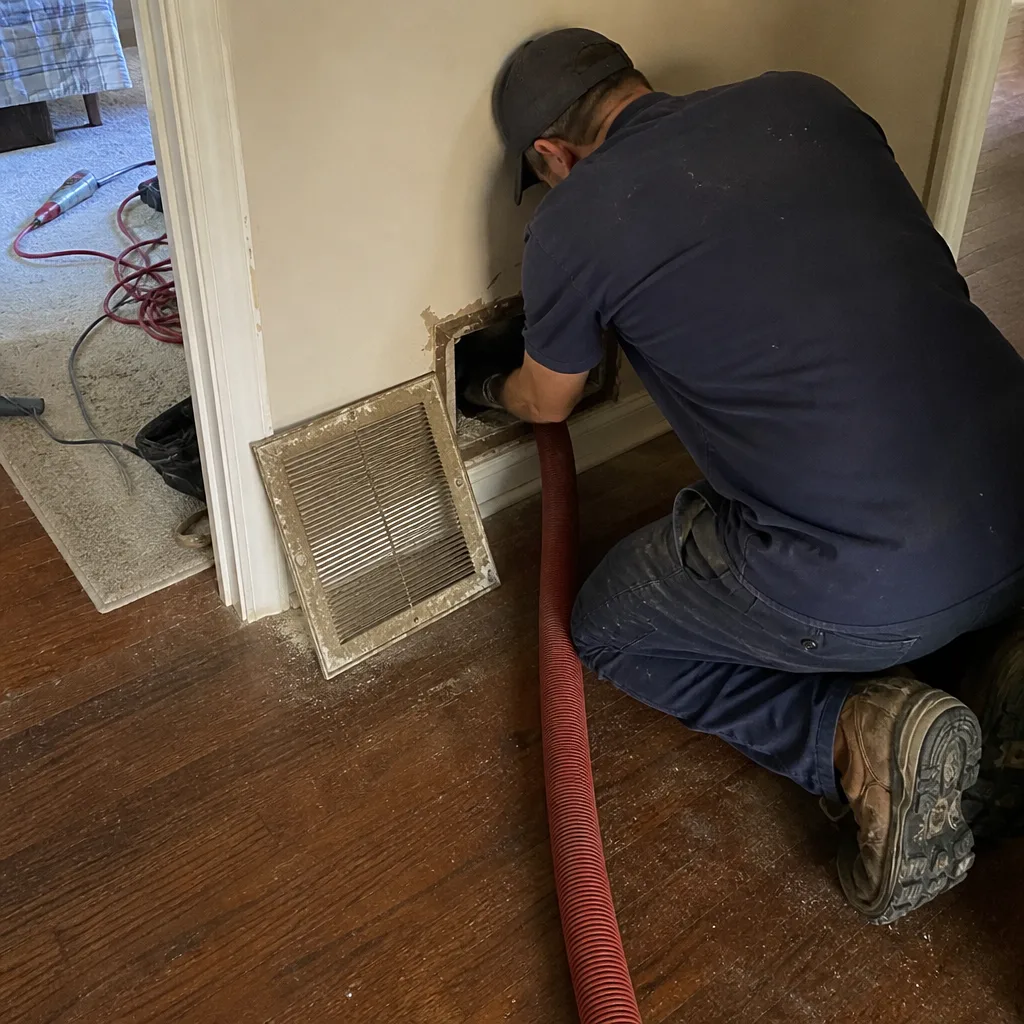 Before
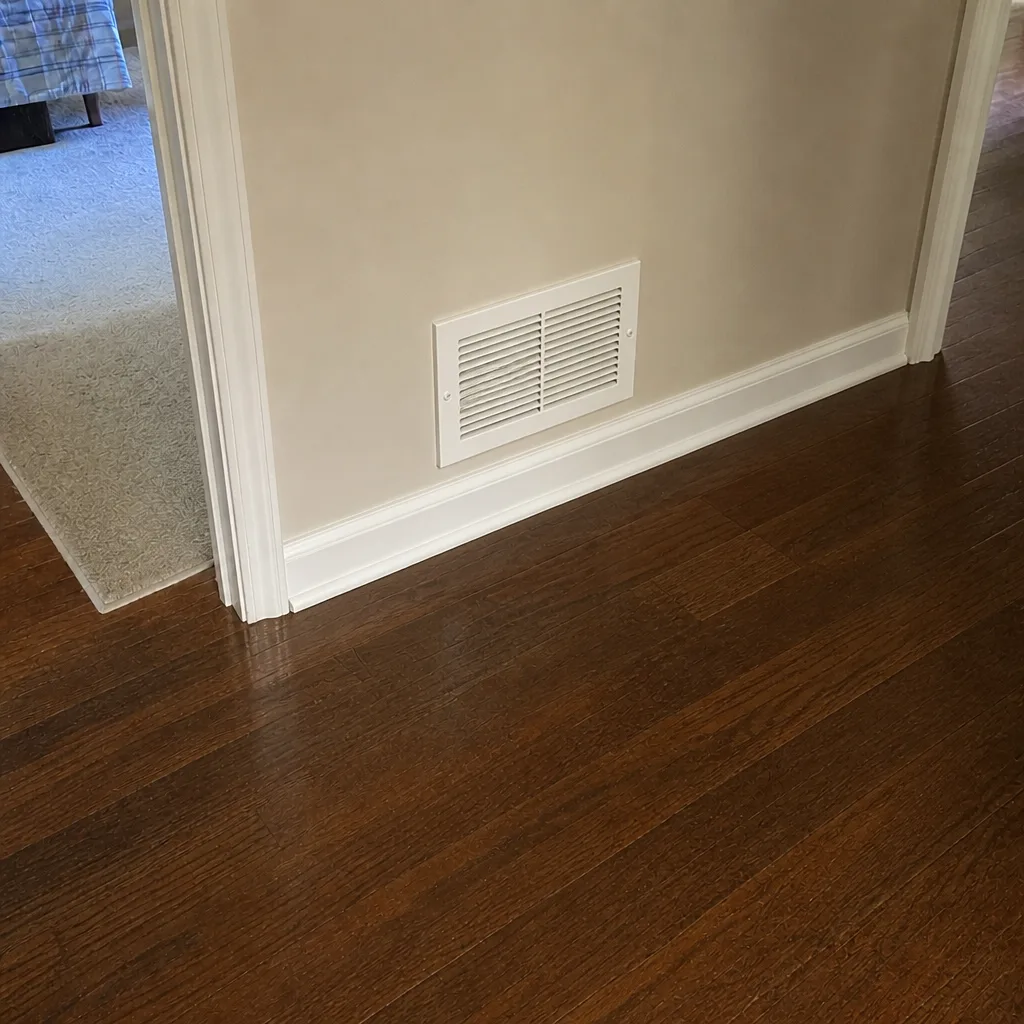 After
When to Call a Professional
Call a professional when you have two or more of the warning signs in this guide together, or when any of the single high-priority signs applies: visible mold at a register with a persistent odor, a dryer that’s taking two cycles to dry a load, an energy bill increase of 15% or more across two consecutive months with no change in habits, or a recent renovation that involved ductwork. It’s also worth calling if you’ve just bought a home and don’t know the duct system’s history, since a pre-move-in inspection is straightforward and avoids surprises later.
What doesn’t need a call: a little dust on a register grille, a filter that loads normally, or a system that’s running at the same energy cost it has for years. Cleaning isn’t a routine annual habit like changing a filter. It’s a response to a specific set of symptoms. Duct Cleaning Norfolk offers free estimates in Norfolk. Call (833) 519-7500. We answer 24/7. Fast dispatch from 7am to 7pm, Sunday through Friday. The first conversation is free, and it’s a real conversation: if the symptoms you’re describing don’t point to a duct problem, we’ll tell you that instead of selling you a cleaning that won’t fix it.
Frequently Asked Questions
Air duct cleaning in Norfolk typically runs somewhere in the mid-hundreds to low four-figures depending on system size, contamination level, and whether repair is needed alongside. Whole-system pricing is the honest way to quote it. Per-vent pricing is what bait-and-switch operators use, and it doesn’t reflect the actual work. A written estimate after an inspection sets the final price. Call (833) 519-7500 for an exact quote. Estimates are free.
Because they’re not for the same work. A quote that looks significantly cheaper than the others usually covers a surface pass with a shop-vac rather than mechanical agitation, HEPA extraction, and containment. Or it’s a teaser price designed to be raised once the technician is on site and finds “additional problems.” Neither is a value. Ask what equipment each quote covers before you compare numbers.
Before-and-after photos of your own ductwork, taken during the job. Any cleaning that didn’t come with documented photos is unverified. If a company can’t show you pictures of what was inside your ducts before and after, they haven’t given you a result you can check. This is the single most useful thing you can ask for.
It depends on the home, not on a schedule. Most homes with good filtration and no recent renovation or pet issues go years between cleanings. Homes with pets, allergies, recent construction near ductwork, or a contaminated crawlspace return need to be looked at more often. The right question isn’t “how many years” but “do I have symptoms that point to a problem now.” If you don’t, you probably don’t need it yet.
It does. Long cooling seasons mean ducts sit in a damp-to-dry cycle more of the year, and any moisture intrusion in the system has more time to develop. The result is that early signs of a moisture problem, like a musty odor or humidity at the registers, tend to appear faster in Norfolk than in drier climates. If you’ve got a smell or a dampness issue, an inspection is worth doing sooner here than it might be elsewhere.
Cleaning removes contamination from inside a duct system that’s structurally sound. Repair fixes ducts that are damaged, disconnected, crushed, or leaking. Cleaning a damaged system is incomplete, because the leak or break remains after the cleaning. We treat duct repair as a standalone service precisely because it’s not a cleaning add-on. If your inspection reveals damage, the repair is the actual fix.
It can reduce indoor dust and allergen load, particularly for homeowners whose ducts have accumulated contamination over years without cleaning. Whether it makes a measurable difference for you depends on what’s in the system and whether there’s a moisture source that keeps reintroducing contaminants. It’s worth understanding the specific problem before pinning expectations on a cleaning. A real inspection gives you the answer.
Call (833) 519-7500. We answer 24/7. Fast dispatch from 7am to 7pm, Sunday through Friday. A call outside dispatch hours is booked into the next opening, Sunday through Friday, 7am to 7pm. We’re closed on Saturday. Free estimates are available in Norfolk, and we can talk through your symptoms over the phone before scheduling.
The Bottom Line
The most important thing to take from this guide is that duct problems have leading indicators beyond the vent. Your energy bill, the timing of an odor, the pattern of uneven temperatures over time, a recent renovation near ductwork, and the presence of mold on a register face all point to specific causes. When two or more of these symptoms line up, it’s worth an inspection. When only one appears, you can usually answer the question by phone before spending anything.
What separates a cleaning that fixes a problem from one that just quiets it: the equipment on the truck, the diagnostic step before the cleaning, and the honest answer when cleaning isn’t the fix. Our dryer vent cleaning is offered as a fire-safety service, not an add-on. Our duct repair service exists because cleaning a broken duct wastes the cleaning.
If you’re in Norfolk and you’ve recognized your home in any of these patterns, start by getting the symptoms on the record. Call Duct Cleaning Norfolk at (833) 519-7500. We answer 24/7. Fast dispatch from 7am to 7pm, Sunday through Friday. Free estimates, one flat price per system, and before-and-after photos of your actual ducts when the work is done.
Written by the team at Duct Cleaning Norfolk.